

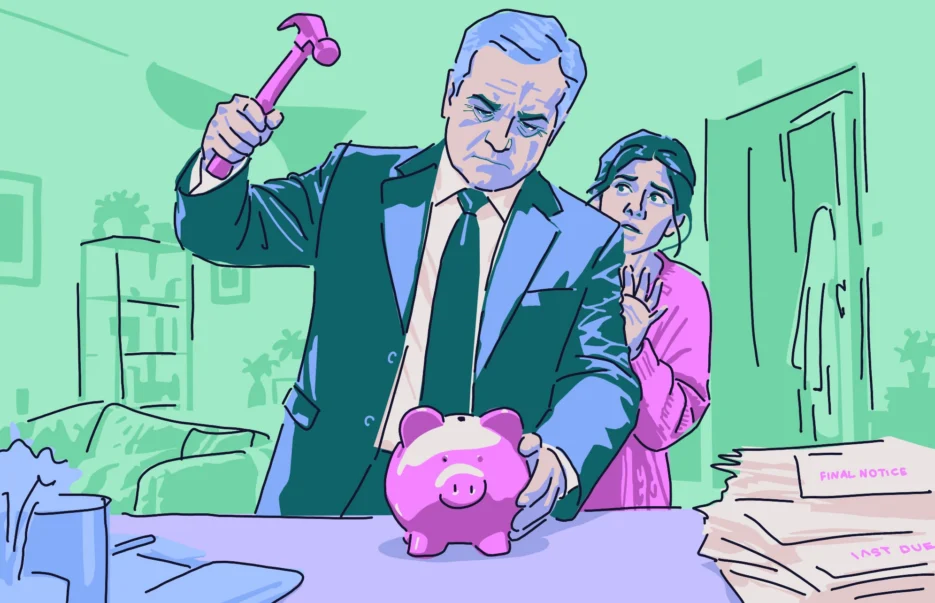
Receiving an unexpected CCS payment notice can be alarming, especially if it’s by mail and contains your name and personal information. Is there a credit card bill you forgot to pay off? Did you miscalculate and underpay a fee?
Debt collection scams are far from uncommon. With the CFPB recording close to 5 million complaints in 2025 alone, compared to 150,000 in 2019, the debt collection sector represents a high-value sector for scammers looking for potential victims. So, is the notice in your mailbox a CCSPayment.com scam? Here’s how to tell.
What is CCSPayment, and why does it say “CCS Offices”?
CCSPayment.com is a legitimate payment portal operated by the Credit Collection Services (CCS), part of The CCS Companies. It works for clients like banks, insurance companies, retail, government, and utilities agencies, collecting consumer debt on their behalf.
For this reason, the company or creditor’s name on the CCS Payment notice might not immediately ring a bell, even if the notice is legitimate.
CCS Offices and CCSPayment
The company itself was established back in 1966 with a longstanding reputation in the industry. Both “CCS Offices” and “CCSPayment” refer to the same Credit Collection Services organization.
However, this can make asking other people about these notices even more confusing, as scammers are known for using similar or slightly altered names to trick people.
Is CCSPayment.com legit?
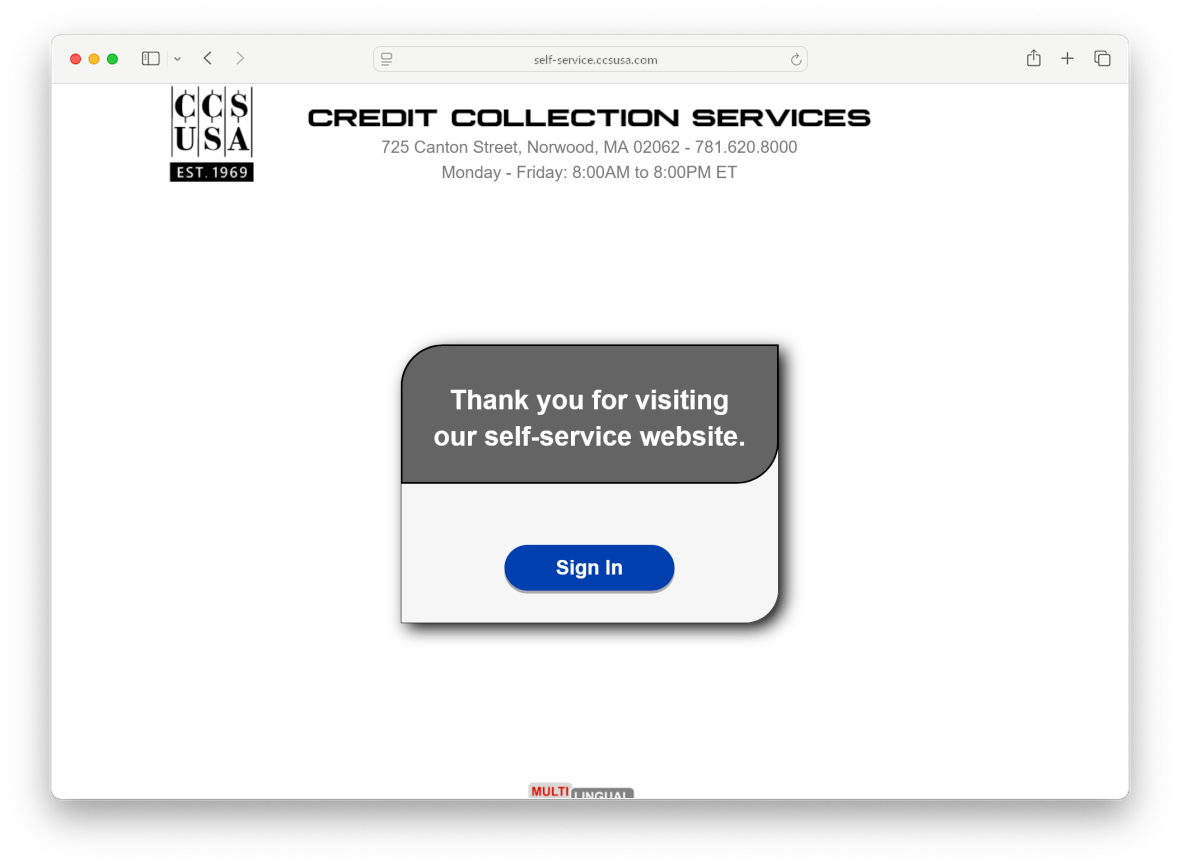
So, is Credit Collection Services legit? CCSPayment.com is the legitimate URL associated with Credit Collection Services and handles more than $5 billion in payments annually.
For many of us, the idea of a collection agency being brought in over a small, outstanding debt might seem like overkill. Many businesses, however, disagree. With each passing day that a payment is overdue, the probability that it will be paid decreases. Some estimates state that the likelihood decreases by as much as 12% per month. For this reason, Credit Collection Services may be brought in quite quickly.
Visiting the primary URL for Credit Collection Services redirects you to CCS’s self-service portal hosted on CCSUSA.com, where you can sign in to your account to use CCS payment and account tools. This redirection can sometimes look suspicious, especially to users new to the services and who aren’t anticipating it.
But just because you’re told to expect a redirection doesn’t mean you shouldn’t double-check the URL before entering your login credentials. Official CCS domains include:
- CCSPayment.com
- CCSUSA.com
- Self-service.CCSUSA.com
Avoid engaging with any CCS website that isn’t under the official domains.
Can a real CCS notice come by text or email?
Yes, you can receive a real CCS notice via text or email.
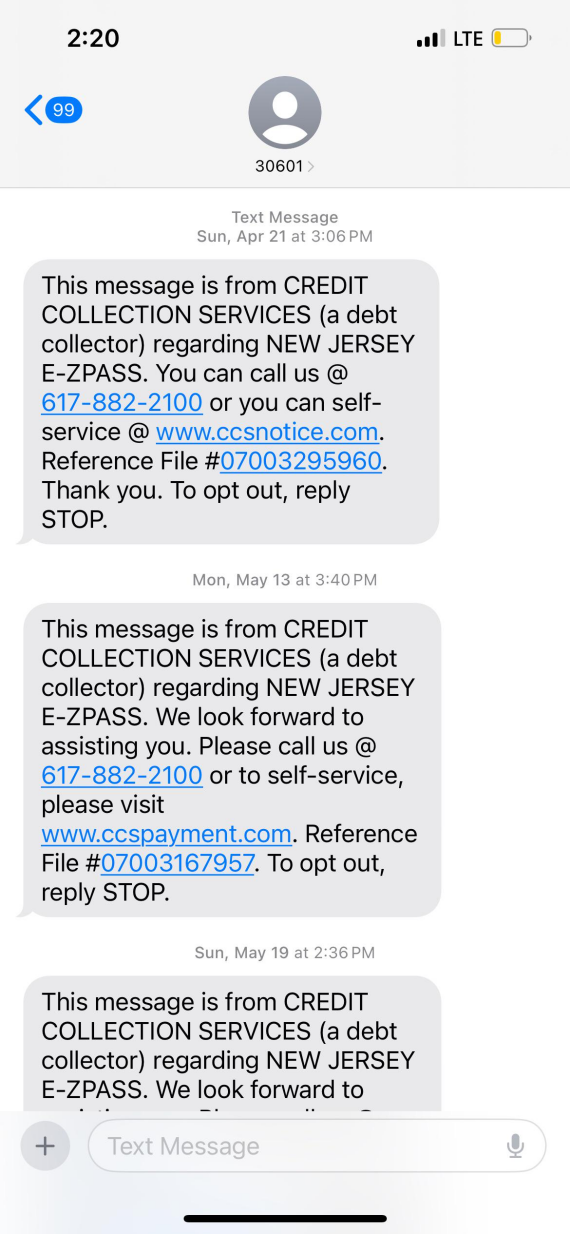
The New Jersey Turnpike Authority (NJTA) confirmed this in a 2025 press release, confirming that E-ZPass accounts being handled by Credit Collection Services may receive emails and text messages regarding the state of their accounts.
However, the NJTA also warned against unsolicited messages claiming to be from the CCS and demanding payment from users. A legitimate text message or email won’t directly ask for payment but will list a contact phone number, a link to the official CCSPayment.com website, and a reference file number to track your status on the platform.
This statement was issued in response to a scam pattern of E-ZPass, NTTA, and similar toll-themed text messages and emails to individuals with no toll accounts or who never lived in a related state. The FBI received over 60,000 reports of the scam, with its origins being traced to criminal Telegram activity.
How CCSPayment scammers approach and pressure victims
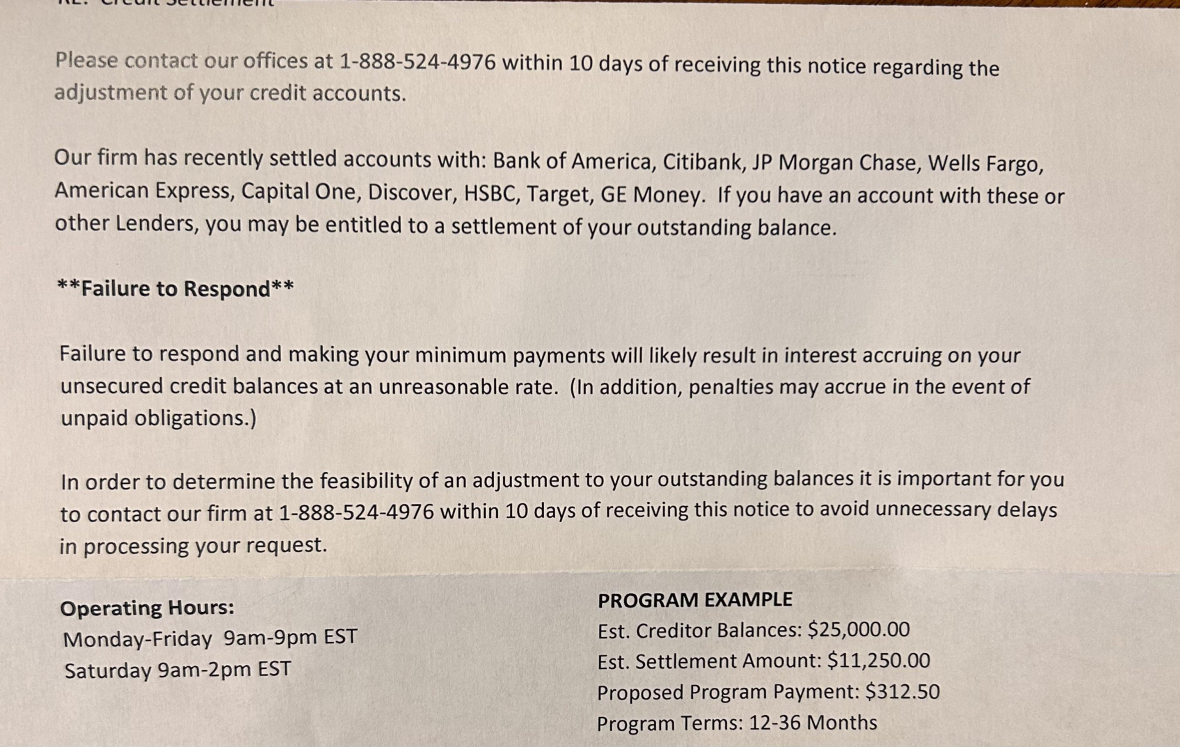
Scammers aren’t limited in the ways they can impersonate the CCS when targeting their victims. Regardless of the communication channel, you can use patterns seen in consumer fraud reports to identify a scam:
- Text Messages: Messages may urgently demand payments, usually accompanied by a threat to escalate the matter to local authorities or impose a hefty fine if not paid. Instead of giving a legitimate reference number, the message would only include a lookalike CCS Payment link.
- Emails: By copying the CCS branding to send a “final notice” email, scammers urge users to click on a phishing link in the email, leading them to a fake login page. Look out for generic greetings, mismatched domains, or non-official sender addresses.
- Phone calls: The caller may claim you’ll face criminal charges for overdue payments, including jail time, unless you immediately pay. Some red flags of this tactic are that the scammer warns you against hanging up and calling the CCS directly or demands that you pay via a “non-standard” payment method, like gift cards or crypto.
- Mail: The letter is usually vague, referencing an unfamiliar insurer or medical provider, along with strict and detailed payment instructions or a QR code to scan.
The recommendations above aren’t arbitrary. They are based on documented patterns of scammer behavior. E-ZPass toll collection scams are so prevalent that the Pennsylvania Turnpike features an entire page of safety instructions on how to identify fraud. The risk is even higher for older adults, with reported financial losses jumping from $55 million in 2020 to $445 million in 2024 from impersonation scams such as false debt collection associated with insurers and medical providers.
Legit CCS vs. a scam: Signs that something is wrong
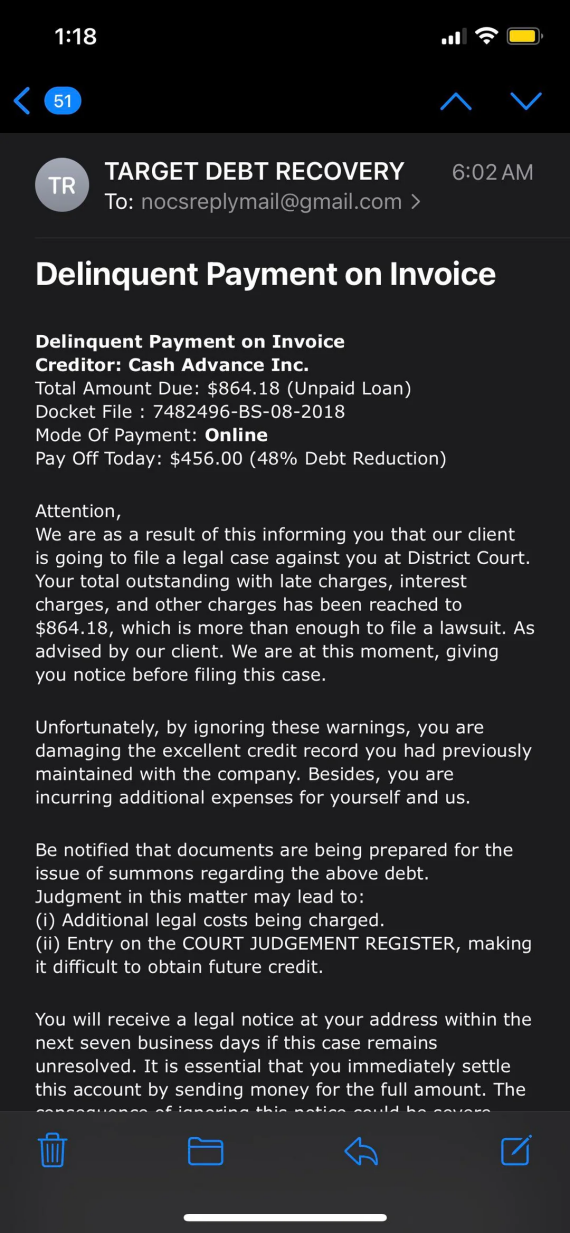
If you’re not sure what signs to look out for, even legitimate CCS notices can appear suspicious — and vice versa. So, here are some of the most common signs of a CCS scam:
- Wrong domain: The sender’s domain or the link included in the notice doesn’t lead to either CCSPayment.com or CCSUSA.com.
- Pressure and urgency: Legitimate notices come with multiple warnings. If the first notice you receive claims to be the “final warning,” with threats of legal action, it is likely a CCSPayment scam.
- Odd payment methods: Instead of directing you to the user portal on a CCSPayment.com domain, it asks for payment via gift cards, crypto, or wire transfers.

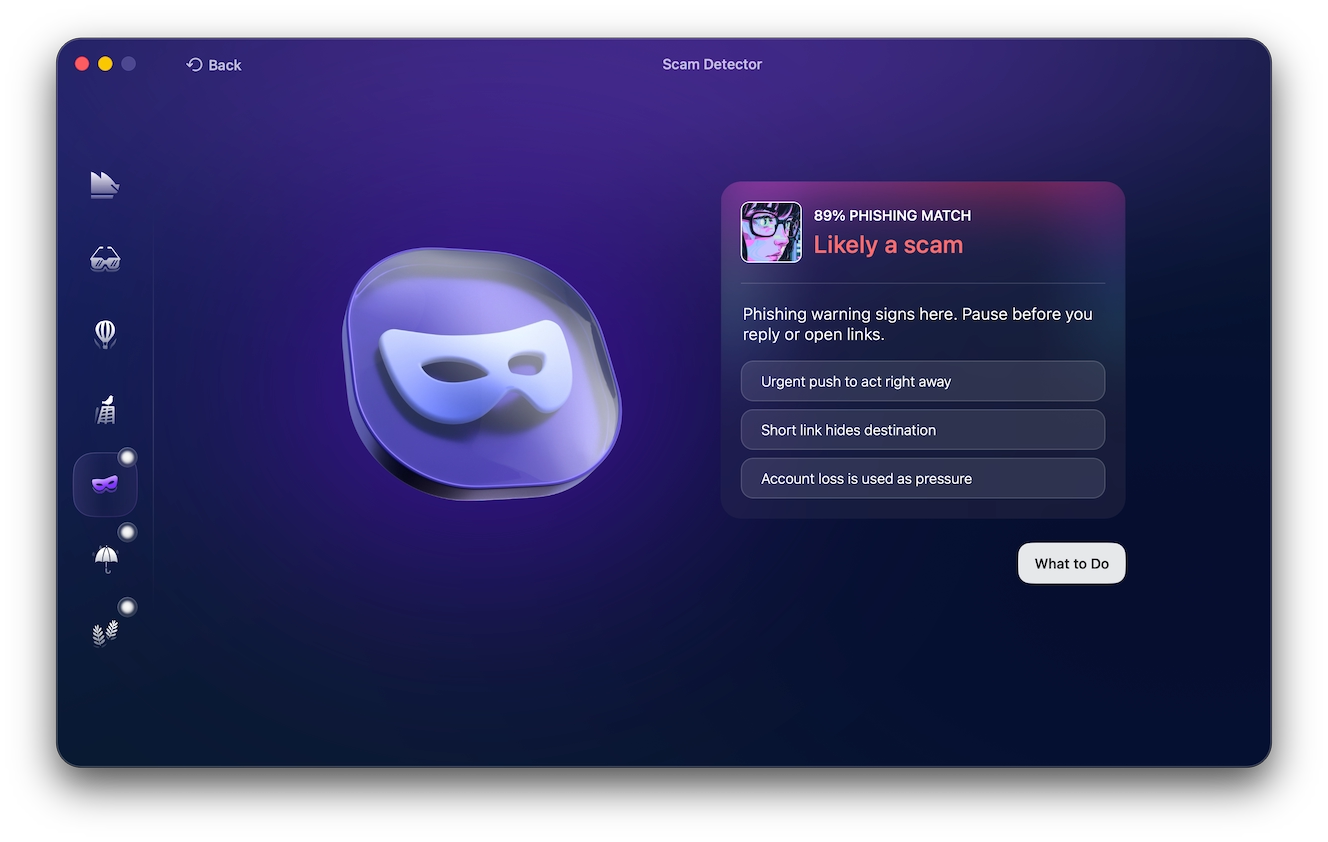
Unfortunately, scammers are getting good at not sounding scammy, especially if they have personal information on the people they’re targeting. When something seems suspicious, use Moonlock’s Scam Detector to scan the text for any of the telltale signs of a CCS scam, such as manufactured urgency or generic language.
For extra protection, sign up for a 7-day free trial of Moonlock, which includes the Scam Detector, along with multiple security tools designed to help you spot phishing attempts and malicious links before they cause harm.
How to verify a CCS debt before you pay anything
The CCS might be legitimately trying to reach out to you to settle a debt on your account. Here’s how you can verify the notice is legitimate:
- Check the notice: A legitimate notice won’t be vague about the identity of the creditor. It should be able to identify you, the creditor, the amount owed, and include a reference to the usual 30-day dispute period.
- Match the debt: Compare the information listed in the CCS notice to the creditor and account details in your personal records or your online CCS account.
- Dispute if needed: You have the right to dispute a claim you deem to be incorrect. This will generally pause collection until further verification is provided by the CCS.
Most importantly, you should verify all the information in the notice independently. Never use a phone number, email address, or QR code provided in the notice. Instead, seek the official contact information of the CCS from the official website.
The old-debt trap: why paying can backfire
Be careful when it comes to old debts. In some states, debts that are past the statute of limitations are known as time-barred debts, and the debt collector can’t sue you for not paying. However, they can still send you letters asking you to voluntarily pay back your debt.
This is where things get tricky. If you acknowledge the debt or make a payment, its term renews, and the debt is no longer considered time-barred. Note that this only applies to old debts, not current balances.
Rules vary by state, debt type, and contract, with the statute of limitations ranging from three to six years in some states to much longer in others. So if you ever receive a CCS notice of a very old debt, consider consulting a qualified consumer attorney to determine your next best move.
Confirmed it’s real? Here’s how to safely pay through CCSPayment.com
So, you’ve verified the legitimacy of the CCS notice and the debt status. Now, it’s time to proceed to making your payment. Here’s how you complete the final step without falling for a CCSPayment.com scam site:
- Open the official CCSPayment or CCSUSA site yourself. If you’re searching the address on Google, make sure you’re clicking on the result with the correct URL. Avoid anything tagged “Ad.”
- Review the creditor’s information, your remaining balance, account details, and agreed-upon payment plan. If anything is out of sorts, contact your attorney before proceeding.
- Confirm the amount due for your first payment on the site.
- Complete the payment only if everything in your CCS account matches the notice you received.
- Save all receipts or payment confirmations.
If at any point in the process you notice a mismatch between the information listed in the CCS notice and in your CCS account, don’t pay, as there’s a chance it might be a scam. A legitimate payment flow should match the verified debt details with no exceptions.
Paid a CCSPayment scammer? Here’s what to do next
Acting quickly will help you limit your financial losses and maybe even help you recover your money.
Do this immediately
If you sent money or entered payment or account details on a phishing site:
- Contact your bank or card issuer and report the incident.
- Dispute the payment and ask to get it reversed.
- Change passwords on any accounts you used during the CCSPayment scam.
Do this within 24 hours
If you clicked on any suspicious links or downloaded email attachments, check your device for malware:
- Run a full malware scan.
- Review recent logins and transactions connected to your account.
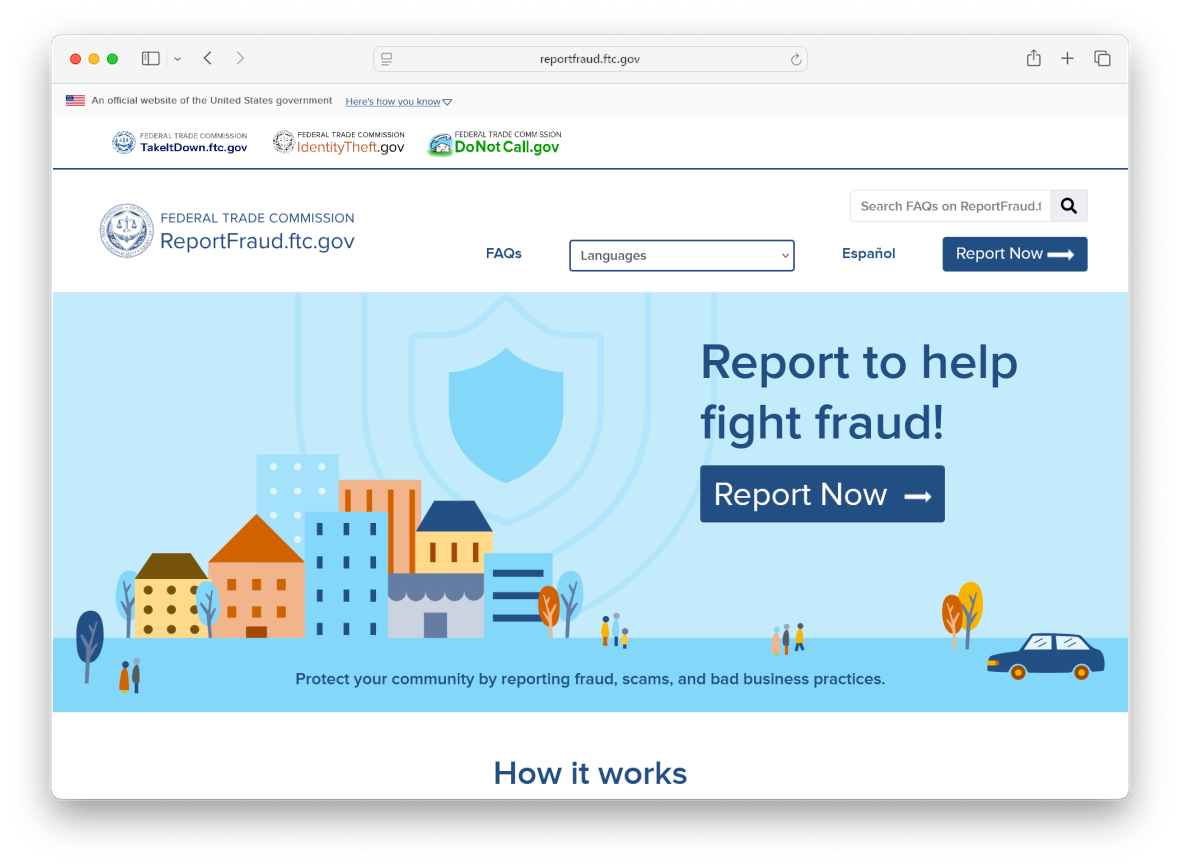
- Report the message to the FTC.
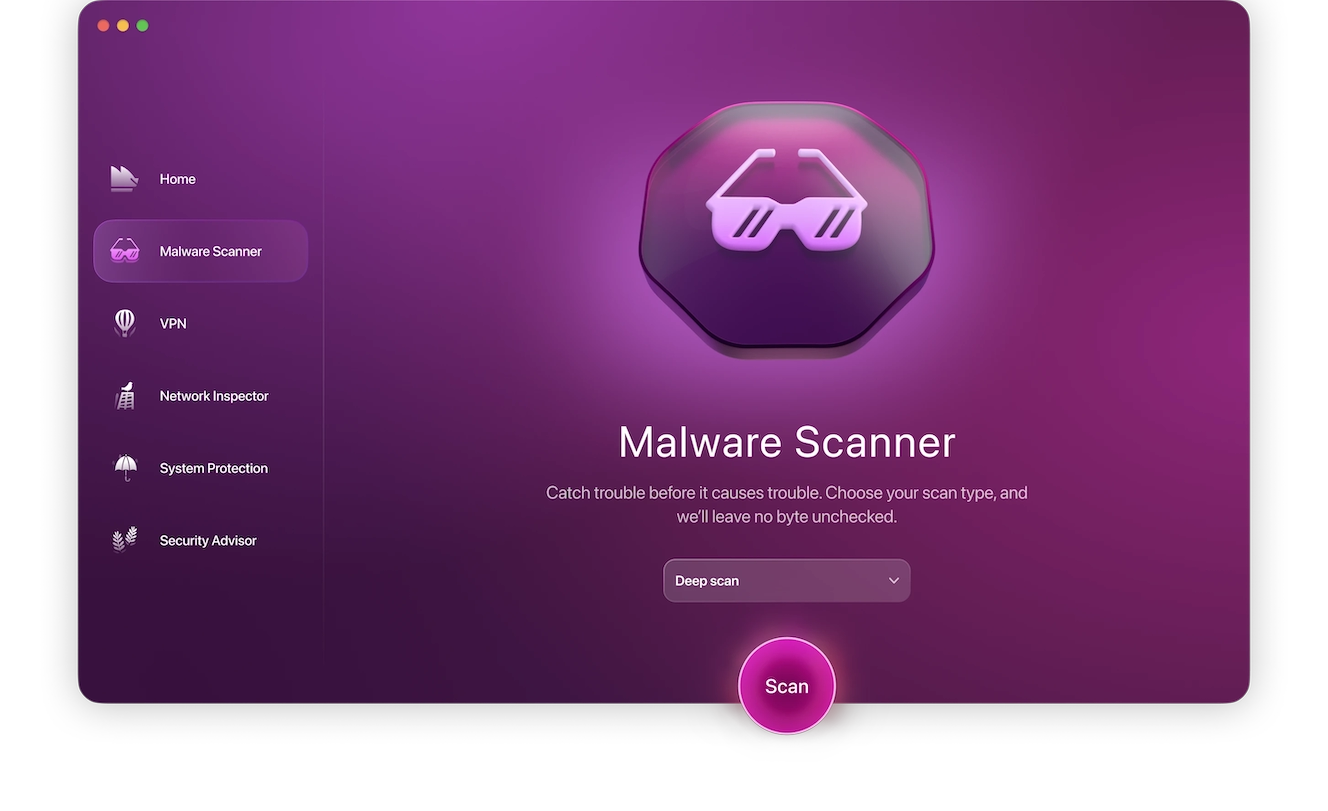
Malware can infect your device through malicious links in emails or SMS messages. Even downloading an attachment labeled “invoice” or “notice” might get your Mac infected.
Here’s how you can use Moonlock to secure your device:
- Sign up for a 7-day free trial of Moonlock.
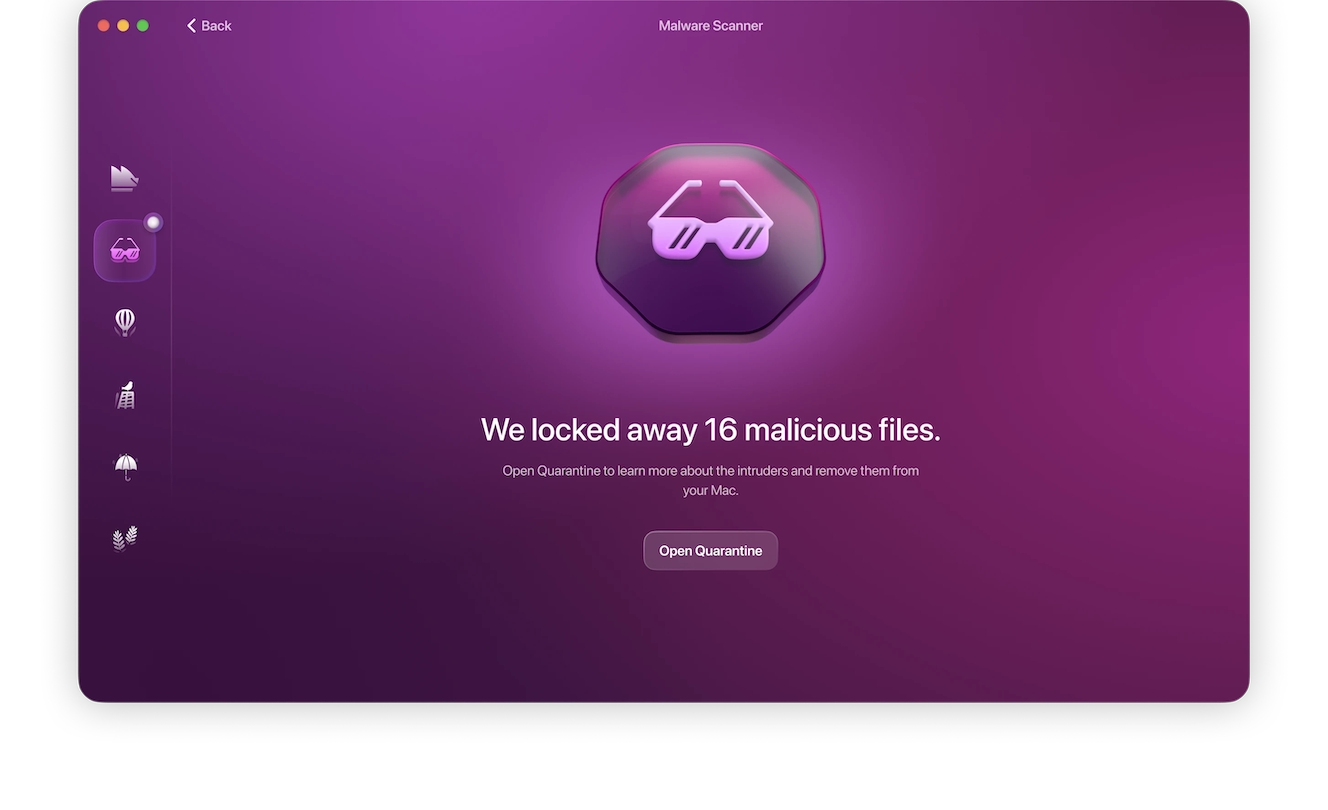
- Open the app, then click Malware Scanner from the list on the left.
- From the drop-down menu, select the scan type “Deep.”
- Click Scan.
Moonlock will scan through all the files on your Mac looking for anything suspicious or malicious, whether it infected your device during this incident or long before.
If it finds anything, it’ll immediately isolate it and allow you to fully and safely remove it from your device.
Do this within one week or if you shared sensitive information
Protecting yourself from the repercussions of a scam, CCS notice might sometimes extend for several weeks. You’ll need to:
- Constantly monitor your bank and credit accounts.
- Consider a credit freeze or fraud alert.
- Replace payment cards involved in the scam.
- Keep screenshots and receipts of any suspicious behavior on your accounts.
CCSPayment scam questions: From suspicious texts to fake collectors
CCSPayment messages can be legitimate, but scammers also often impersonate the debt collection services. These quick answers can help you tell the difference between a fake and legitimate notice.
CCS may be collecting a debt assigned to you by a creditor, insurer, toll agency, or utility provider.
Yes, debt collectors have the right to contact you via text or email to notify you of standing debts or overdue payments.
Legitimate CCS notices typically have multiple notice periods and can be verified online through CCSPayment.com. If you can’t verify a suspicious notice, you should report and ignore it.
Check the sender’s domain, the creditor, balance, file number, and provided CCS contact details. Independently verify them before sharing any personal information or paying.
Scammers often make threats of arrest or other legal actions, but legitimate debt collectors cannot claim that nonpayment will automatically result in an arrest.
Both names refer to the same CCS organizations. Scammers may copy either name when making their fraudulent messages.
CCSPayment.com is legitimate and sometimes sends notices via email or text message to update you on the status of your debts. However, scammers often impersonate the CCS to prey on people’s fears of legal action against them.
If anything feels off or inconsistent in a CCS notice you receive, verify it through the official CCSPayment.com website before complying with any of its demands.