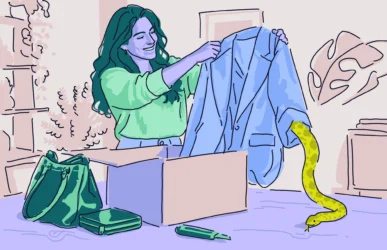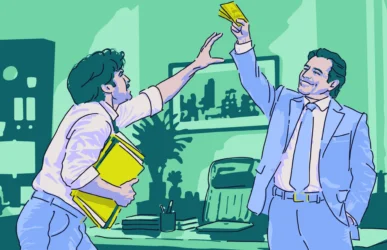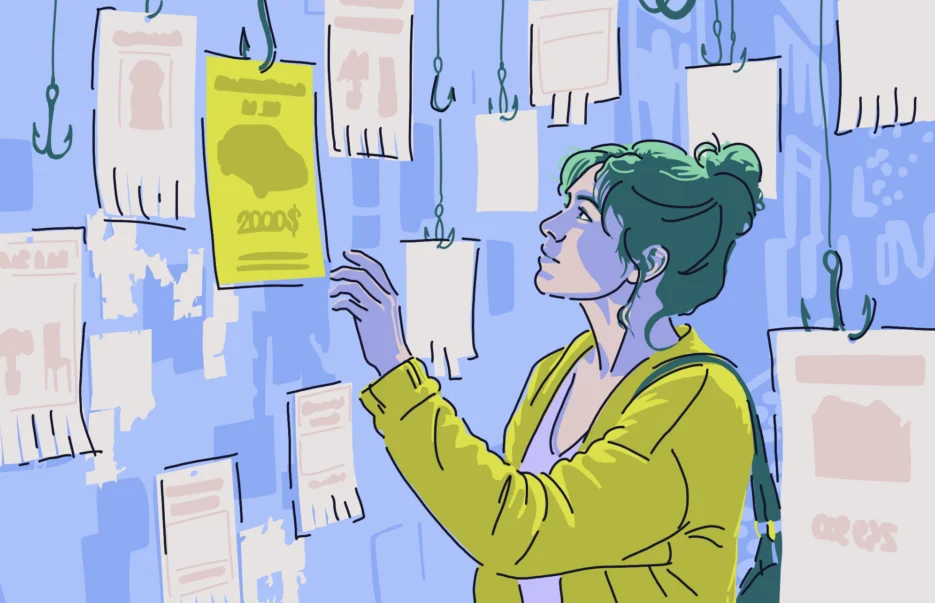
Craigslist sees a lot of traffic. In fact, Semrush estimated that craigslist.org received more than 140 million visits in June 2026, meaning scammers still have a large audience there.
So, is Craigslist safe? While Craigslist is legit, it works best on the local level. Once a stranger tries to make a transaction happen elsewhere, that’s when the risk level changes.
What is Craigslist, and why does it attract scammers?
Craigslist is a local classifieds site where people can sell almost anything, find part-time work, and post community notices.
The simplicity of the site is part of the appeal, but Craigslist doesn’t work like a marketplace with built-in payment protection or public seller ratings. A scammer can post a fake listing from a throwaway account and disappear once they have your money.
AI tools make it even more difficult to judge in 2026, as poor grammar used to be a stronger warning sign. Now, a scam message can be made to look polished with very little effort.
Typical Craigslist scams in 2026
Most Craigslist scammers change the deal before they ask for money. The scammer may introduce distance. They may push a payment method that leaves you with little control. Or they may ask for information that the transaction does not require.
Rental and apartment scams
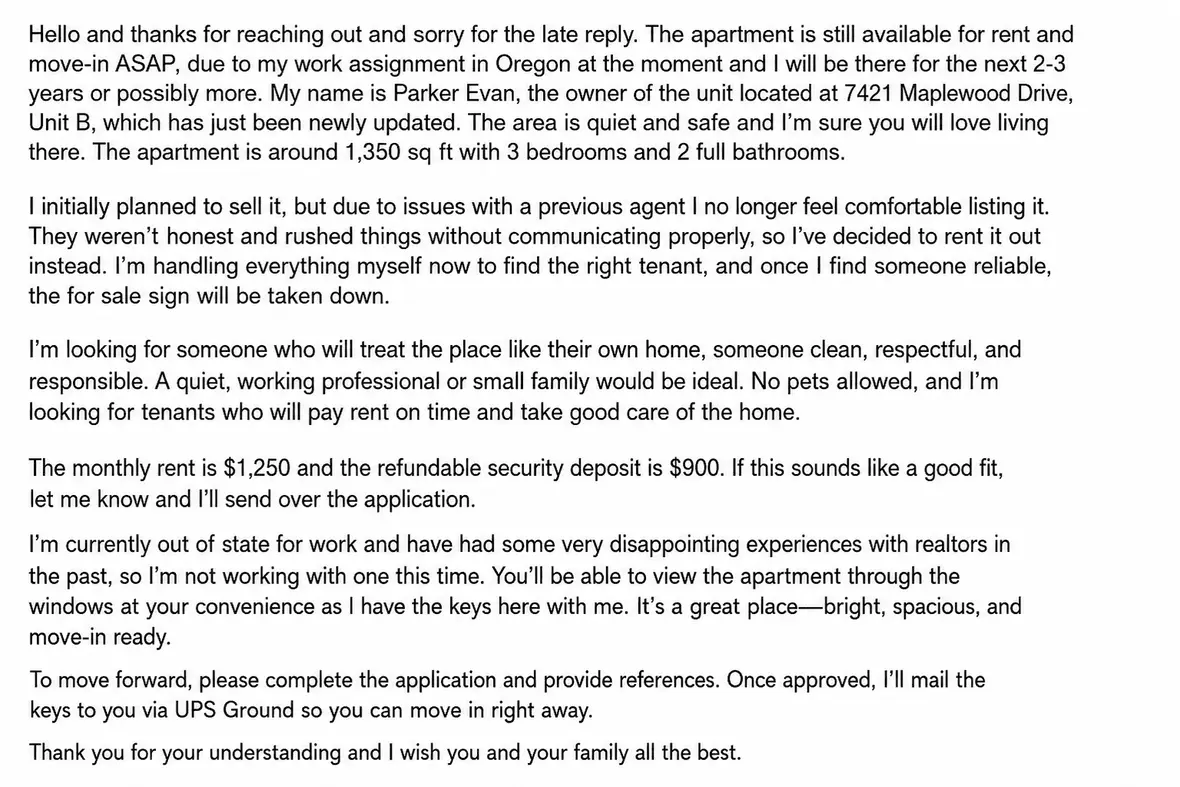
Craigslist rental scams usually target renters with a place that looks real and appears underpriced. The scammer may steal photos from a real listing, lower the rent, and ask for a deposit before the renter can tour the unit.
The “middleman” version also targets renters. The person messaging you claims the owner is unavailable, so you never get to confirm who actually controls the property.
Landlords can be targeted in the reverse version. A fake renter sends a check or money order for more than the required deposit, then asks the landlord to send the extra back before the payment fails.
Craigslist apartment scams work because the pressure of the housing market makes people move fast. The same logic can apply to Craigslist sublet scams and roommate scams. If you are asking whether Craigslist is legit for apartments, the safer answer is this: The only good listing is one you can verify off of Craigslist as well.
Craigslist email scams
Craigslist email scams often look like platform notices. The message may claim there is a problem with your listing or account. However, the link is usually a trap and leads to a fake login page or a site that collects personal information.
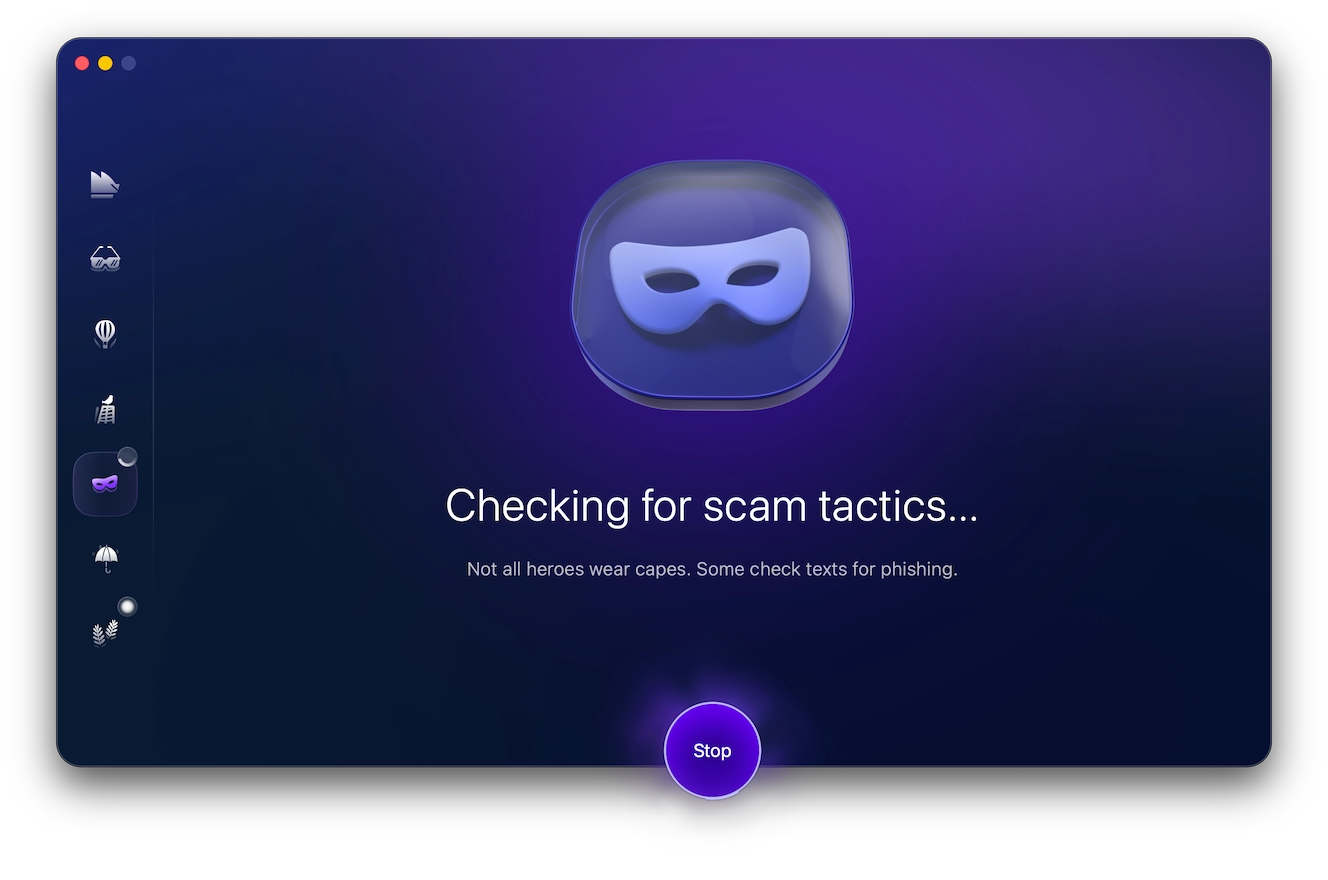
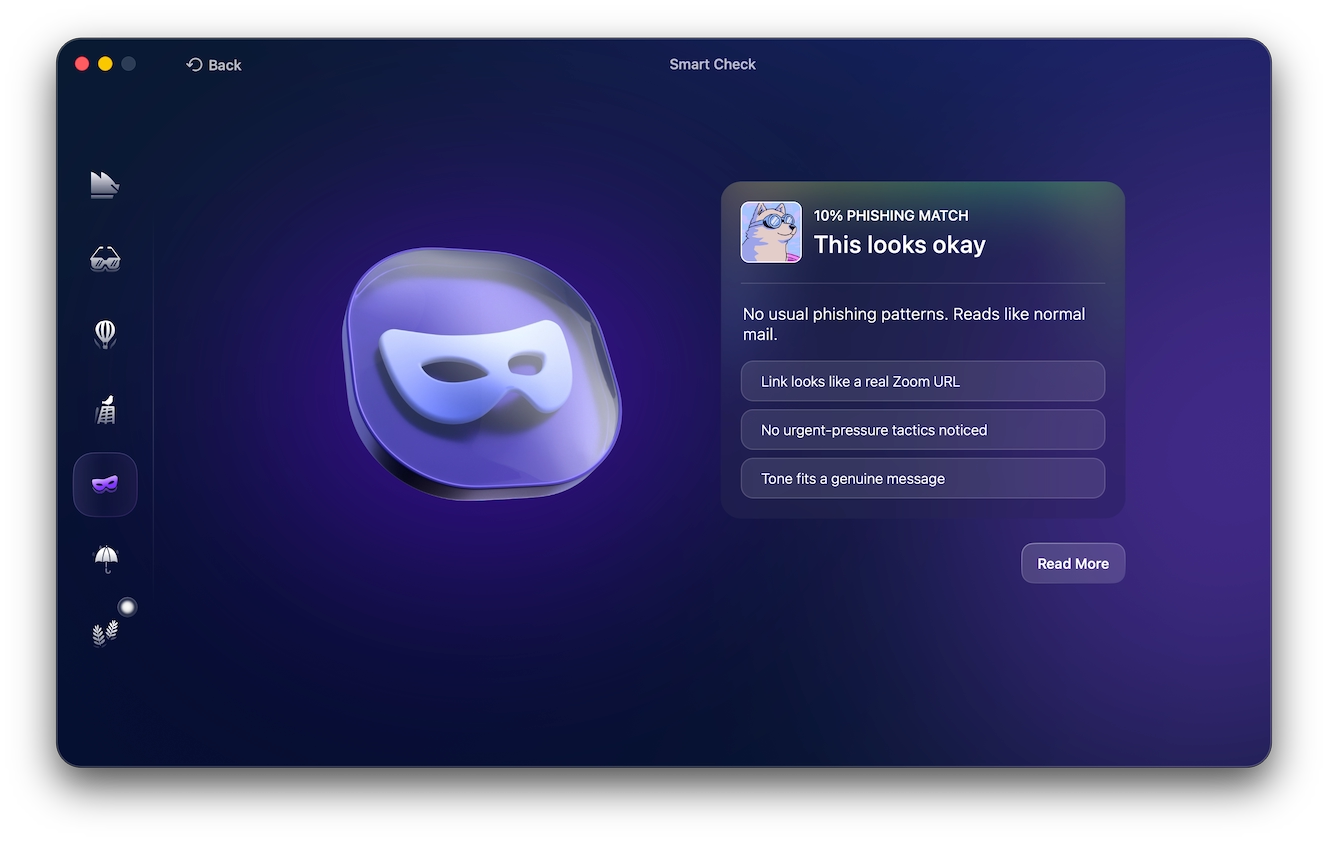
When a Craigslist message isn’t an obvious fake but something about it feels off, a dedicated scam detector tool can help. By running the content of a message through Moonlock’s Scam Detector, you can determine the likelihood that it’s associated with a scam.
Take advantage of Moonlock’s 7-day trial before acting on a Craigslist email that asks you to verify an account, continue through a link, or respond outside of the normal Craigslist thread.
Fake text messages on Craigslist
Fake Craigslist text messages often claim there is a problem with your account or listing. One common script says your account was reported as fraudulent, then asks you to reply with personal information.
Craigslist says it only verifies phone numbers when someone is creating a posting, so a later request for account verification should be treated as a scam.
Car and vehicle scams
Similar to Facebook Marketplace scams, Craigslist car scams may involve a fake buyer using a bad cashier’s check, or a fake seller may list a car they do not own.
Many Craigslist vehicle scams depend on a personal story. The seller may claim to be out of town or deployed, a story to explain why they cannot meet and why the car needs to be shipped.
Some listings involve actual stolen vehicles. Before paying for a car, make sure you see it in person, verify the title, and check the VIN through a trusted source.
Cashier’s check, money order, and overpayment scams
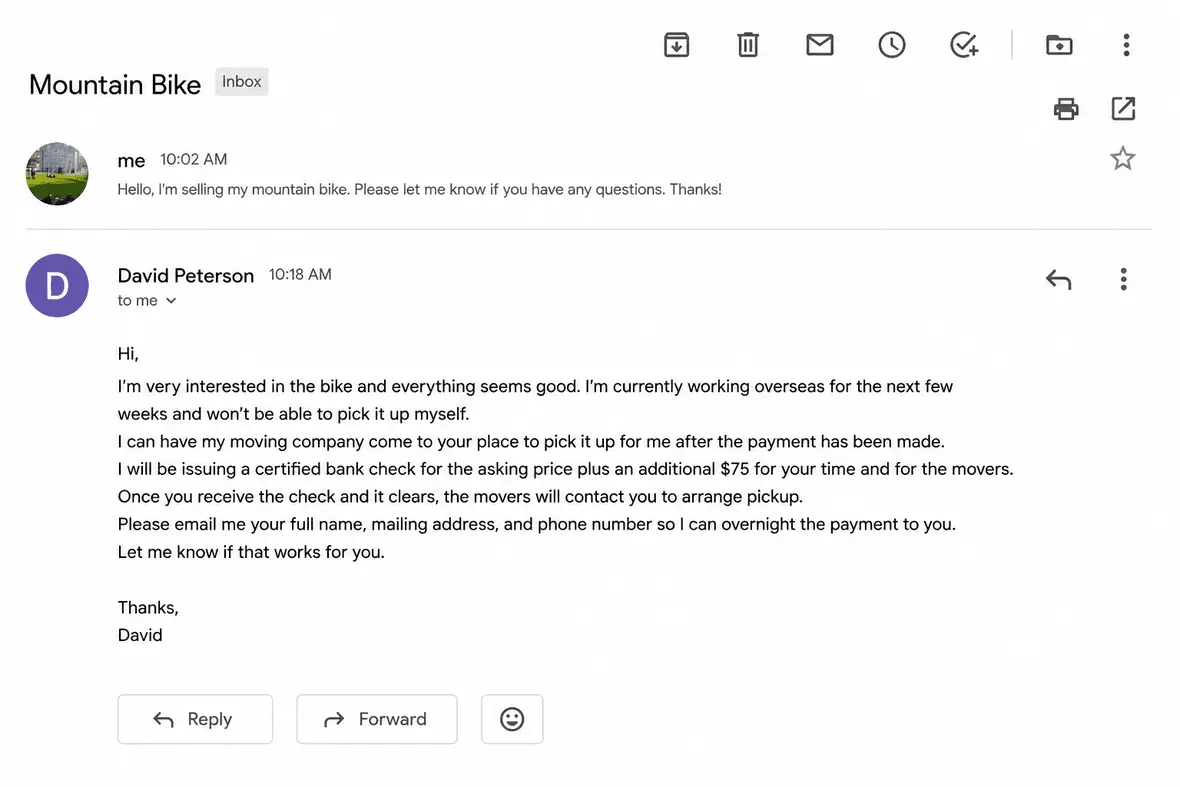
Craigslist check scams often start with a buyer who seems ready to pay. They send a cashier’s check or money order for more than the sale price, only to claim the extra amount was an accident. The buyer then asks you to send back the difference, often through a payment method that is difficult to reverse. In some versions, they ask you to send the money to a mover or shipping contact.
The payment may look real at first because your bank shows the deposit before the check is fully verified. If it turns out to be fake, the bank may take back the deposit weeks (or even months) after the money first appears.
This leaves you responsible for the money you returned. You may also lose the item, face bank fees, or have your account put under review if bad check deposits happen repeatedly.
The safest response to cashier check scams on Craigslist is to reject overpayments. Do not ship the item just because someone sends a check image, and do not continue with money order scams that Craigslist buyers frame as a simple mistake.
Google Voice and verification code scams
Craigslist phone number scams often start with someone claiming they need to send you a code to prove that you’re real.
That code, however, often has nothing to do with Craigslist. It may let the scammer create a Google Voice number tied to your real phone number, which they can use while targeting other victims. A Craigslist code scam can also target other accounts, so treat any one-time code like a password.
Craigslist ticket scams
Craigslist ticket scams often appear before high-demand events. The seller may send a screenshot or barcode image that looks convincing, but then they disappear after the payment is made and the ticket doesn’t work (it may be invalid, or the same ticket may have been sold to someone else). Use official ticket platforms when possible.
Craigslist job scams
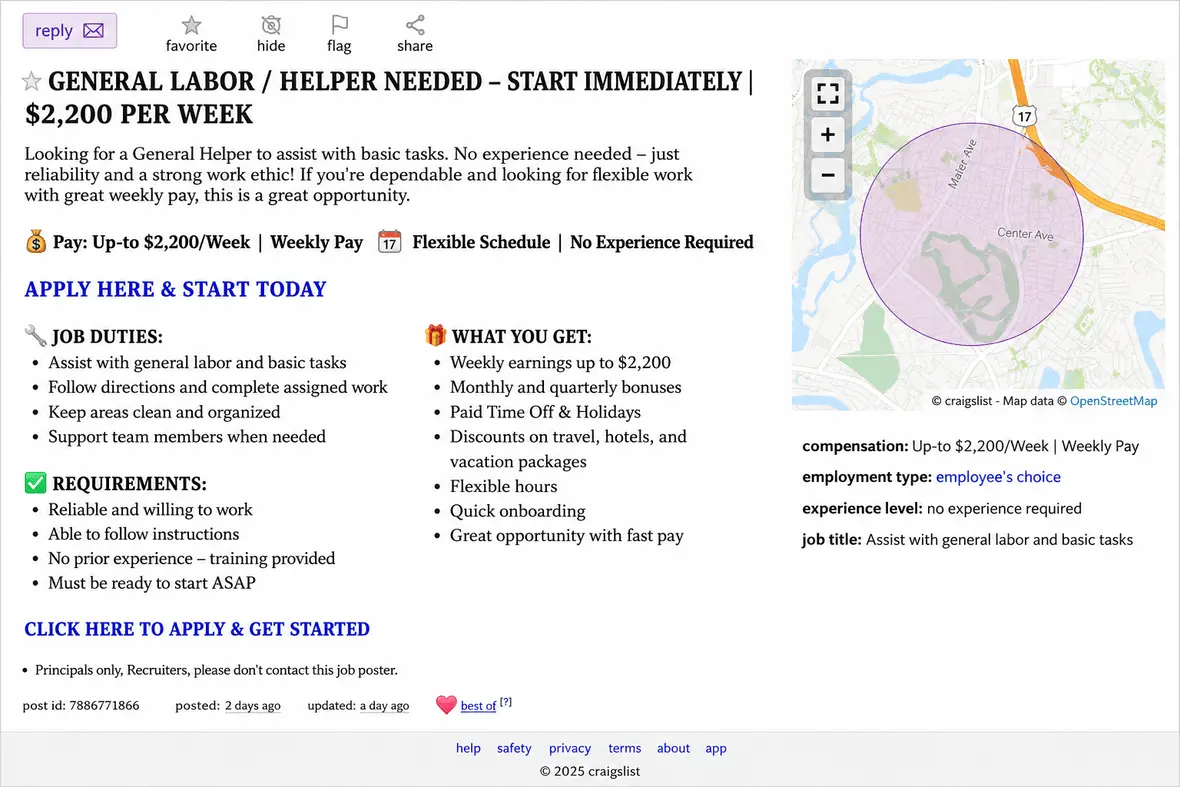
Craigslist job scams often promise easy work with unusually high pay. Fake nanny and babysitting jobs are a common version. A “family” claims they are moving to the area, sends a bad check in advance, then asks the worker to send part of the money to someone else.
Payment-processing jobs are another warning sign. If an employer asks you to receive customer payments and forward the money elsewhere, the job may be a money mule setup.
To spot a fake listing, look at what the employer asks for before any real interview happens. A scam job may request bank details too early, ask you to pay to get hired, or offer pay that does not match the work.
Fake escrow service scams
Escrow can be legitimate in some high-value transactions. However, scammers can use that inherent trust against buyers. The scammer sends a link to a service they claim will hold the money until the item arrives. And while the website may look professional, fake escrow sites can copy real company content.
To verify a company, check whether it is licensed where required, use contact information you find yourself, and confirm that the service processes payments under its own business name.
Pet scams
Craigslist pet scams often use rehoming stories. The seller claims that the animal needs a new home quickly, then asks for money before you can see the pet in person.
Craigslist prohibits pet sales, though it allows rehoming with a small adoption fee. Suspicious sellers may use “rehoming” language to get around this rule while collecting payment for an animal that does not exist. Do not pay before seeing the animal. If the seller avoids an in-person visit, walk away.
Payment app scams
Payment apps are risky for Craigslist deals because speed works against the victim. The FTC warns that once money is sent through a mobile payment app, it can be difficult to get it back.
Scammers may push Zelle, Venmo, or Cash App because these apps are better suited for paying people whom you already know and trust. A stranger transaction on Craigslist may leave you with little room to dispute the payment if the listing was fake.
PayPal’s Goods and Services payment option may offer purchase protection for eligible transactions, but the Friends and Family option isn’t meant for buying from strangers.
Fake “guaranteed seller” scams
A fake “guaranteed seller” scam uses trust language to make a Craigslist scammer look legit, similar to what can be seen in Poshmark scams. The message may claim that Craigslist approved the seller and reviewed the transaction or offers protection if something goes wrong.
Craigslist does not certify private sellers or guarantee private deals. Many Craigslist frauds rely on fake proof, so if the seller’s safety claim comes from an email or link they sent, treat it as part of the scam.
How to spot a Craigslist scam: Red flags to watch out for
To identify a Craigslist scammer, watch how the transaction changes. A normal Craigslist deal usually stays tied to a local item and a real meeting.
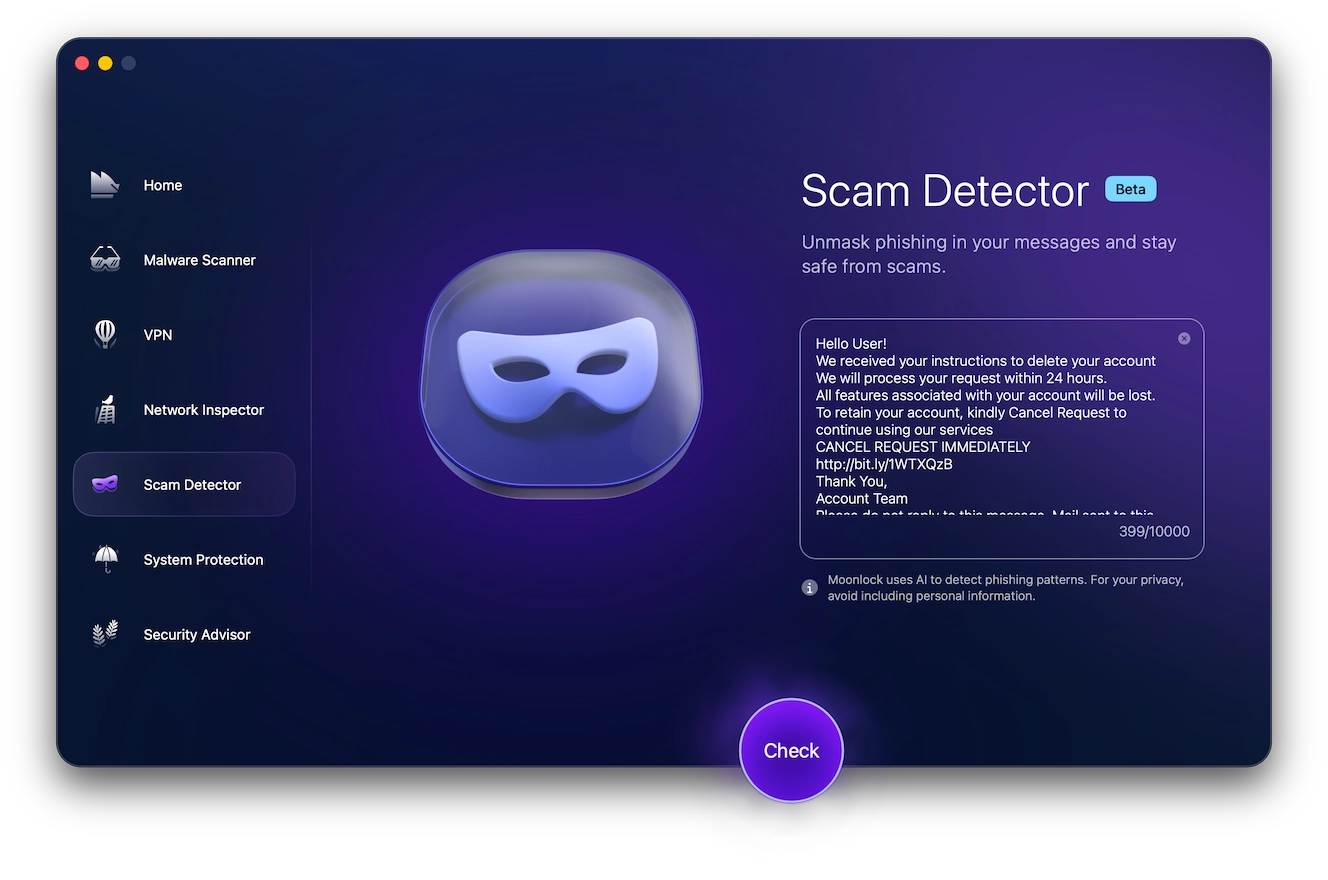
Moonlock can help review suspicious Craigslist messages before you click, reply, or share information. This is especially useful when the message looks polished, perhaps by AI, and asks you to move outside the normal Craigslist flow.
To use the app, sign up for a free trial:
- Open Moonlock and choose Scam Detector.
- Paste the Craigslist message.
- Review the warning signs before replying.
- Avoid opening linked pages until you know the message is safe.
Moonlock’s Scam Detector is useful for Craigslist email scams because they often look routine at first.
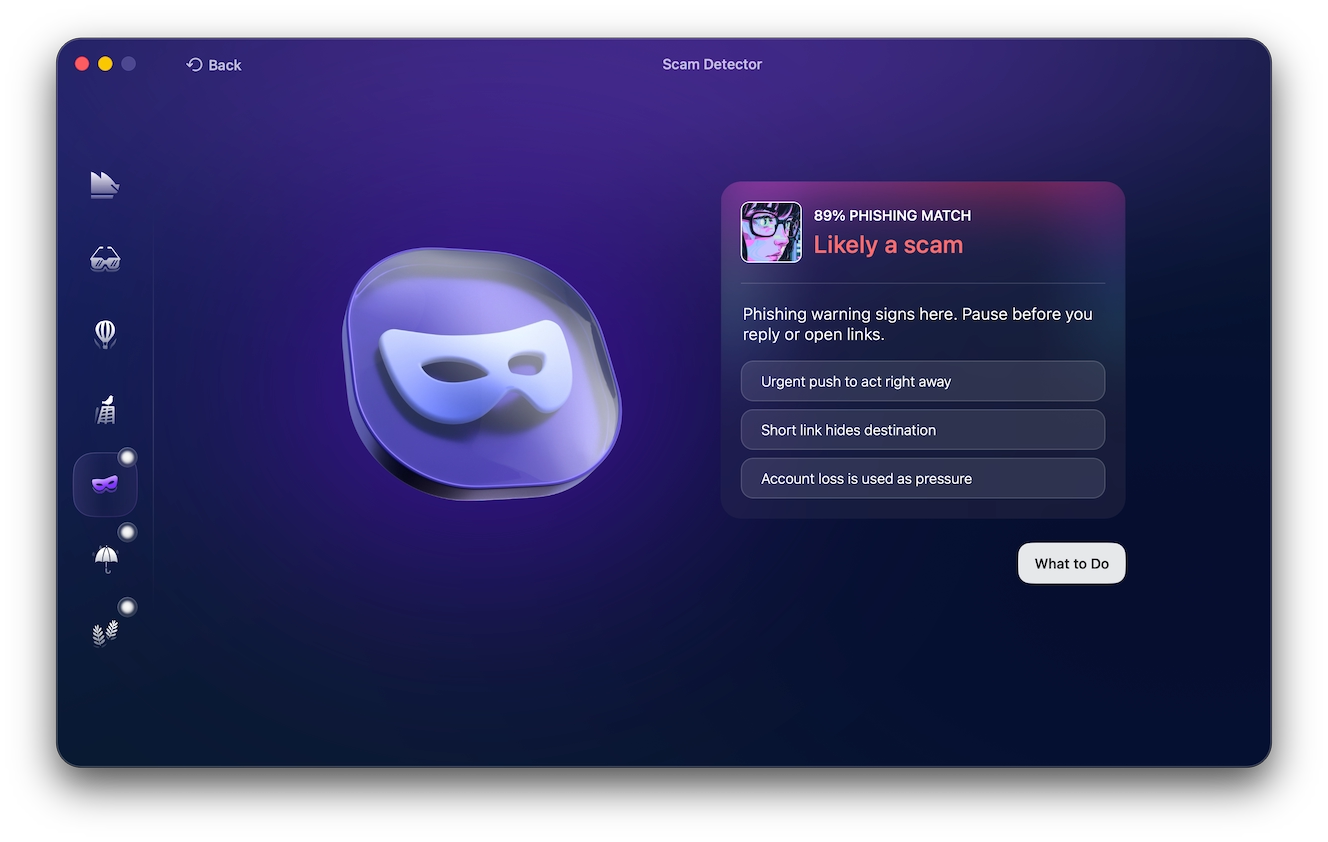
Red flags to watch out for on Craigslist include:
- The price is far below similar listings: Scammers use a bargain to make people respond before they compare the listing to the real market.
- The person refuses to meet in person: Craigslist is built around local exchanges, so a remote-only deal should be treated with caution.
- The message asks for a verification code: A real buyer or seller doesn’t need access to a code sent to your phone.
- The buyer sends too much money: A cashier’s check overpayment can fail after the seller has already returned the difference.
- The seller chooses the escrow service: A fake escrow site can make a risky payment look protected.
- The listing photos appear somewhere else: Stolen photos are common in fake rental listings.
- The payment method is hard to reverse: A payment that cannot be recovered gives the scammer an advantage.
- The message claims that Craigslist guarantees the deal: Craigslist does not certify private sellers or guarantee private transactions.
Poor grammar can still matter, but it is a weaker signal in 2026. AI tools can make scam messages sound natural, so try to judge the request by the content of the message rather than how well it’s written.
Steps to take if you fall for a Craigslist scam
If a scam has already happened, act quickly. The goal is to limit the damage and preserve proof. Here’s what to do:
- Stop contact. Do not argue with the scammer or accept a second offer to “fix” the problem.
- Save the evidence. Keep the listing, message thread, payment record, and any account details connected to the scam.
- Contact your bank or payment provider. Ask whether a reversal, fraud hold, or dispute is possible.
- Change exposed passwords. Start with any account that used the same login.
- Place a fraud alert or credit freeze. Do this if you shared sensitive identity information.
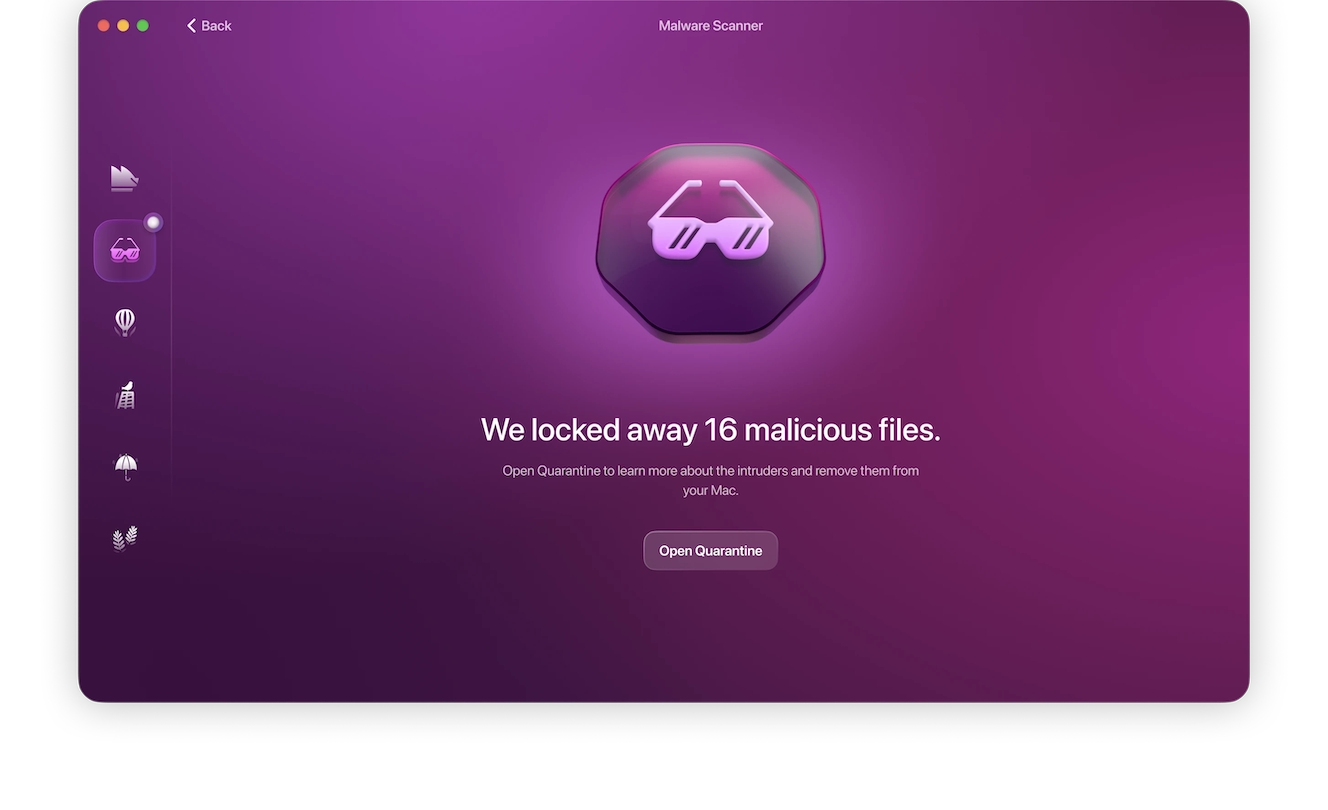
- Scan your device for malware. If you clicked a link or downloaded a file, use an antivirus to check your Mac for threats.
- Report the scam. File reports with Craigslist, the FTC, and IC3. If you met the scammer in person, contact local police.
How to report a Craigslist scam
To report a Craigslist scam on the platform, start with the listing itself. Craigslist users can flag prohibited posts through the flagging link at the top of the post, and free classified ads that receive enough flags may be removed automatically. Here are a few other actions to take:
- Flag the scam listing. Use the flagging link at the top of the Craigslist post to report a suspicious or prohibited listing.
- Use the report link in Craigslist mail relay. If the scammer contacted you through Craigslist’s email relay, use the report option in the message.
- Save evidence before the post disappears. Keep evidence (screenshots, the listing URL, emails, payment records, and any contact details) connected to the scam.
- Report outside of Craigslist if money or identity theft is involved. Craigslist also points users to the FTC, IC3, and state attorney general offices for broader fraud reports.
What Craigslist does and doesn’t do about scams
Craigslist has some official safety features and policies that help reduce scams, but it still relies heavily on users to judge each transaction.
What Craigslist does:
- Publishes scam warnings. Craigslist tells users to deal locally, avoid wire transfers, and reject fake guarantees.
- Prohibits fraudulent content. Craigslist’s rules do not allow false, deceptive, or fraudulent posts.
- Implements a flagging system. Users can flag suspicious posts, and listings with enough flags may be removed.
- Provides mail relay. Craigslist can hide your personal email address during early messages.
What Craigslist does not do:
- Guarantee private deals. Craigslist does not certify sellers or guarantee that a transaction is safe.
- Hold payments for buyers or sellers. Craigslist does not provide escrow for private transactions.
- Verify every listing before it appears. A scam post can still go live before users or systems catch it.
- Replace your own verification. You still need to confirm the item, person, property, or payment before moving forward.
Your safety depends on ensuring that a deal is easy to verify. If a post looks suspicious, report the scam on Craigslist through the listing or mail relay before continuing.
Frequently asked questions about Craigslist scams
Craigslist scams can look different depending on the listing. However, the same safety questions often come up.
Craigslist can be safe when the transaction stays local and is easy to verify. It becomes riskier when a stranger asks for payment before meeting or pushes the deal through an outside service.
A scammer may use the code to create or access an account tied to your phone number. In Google Voice scams, the code can help them create a number linked to you.
Recovery depends on how you paid, so contact the bank/card issuer or app right away.
Stop messaging the scammer and report the payment immediately. Save all proof and file reports with Craigslist and the FTC.
How to buy and sell safely on Craigslist
Before sending money or sharing information, make sure the other person’s request fits the transaction.
- Meet locally when possible. Use a public place for valuable items, and inspect what it is you’re buying before you pay.
- Verify the listing before money changes hands. Tour a rental in person, check a car title before payment, and use an official ticket transfer method when possible.
- Use Craigslist mail relay at first. Keep your personal email private until there is a real reason to share more contact information.
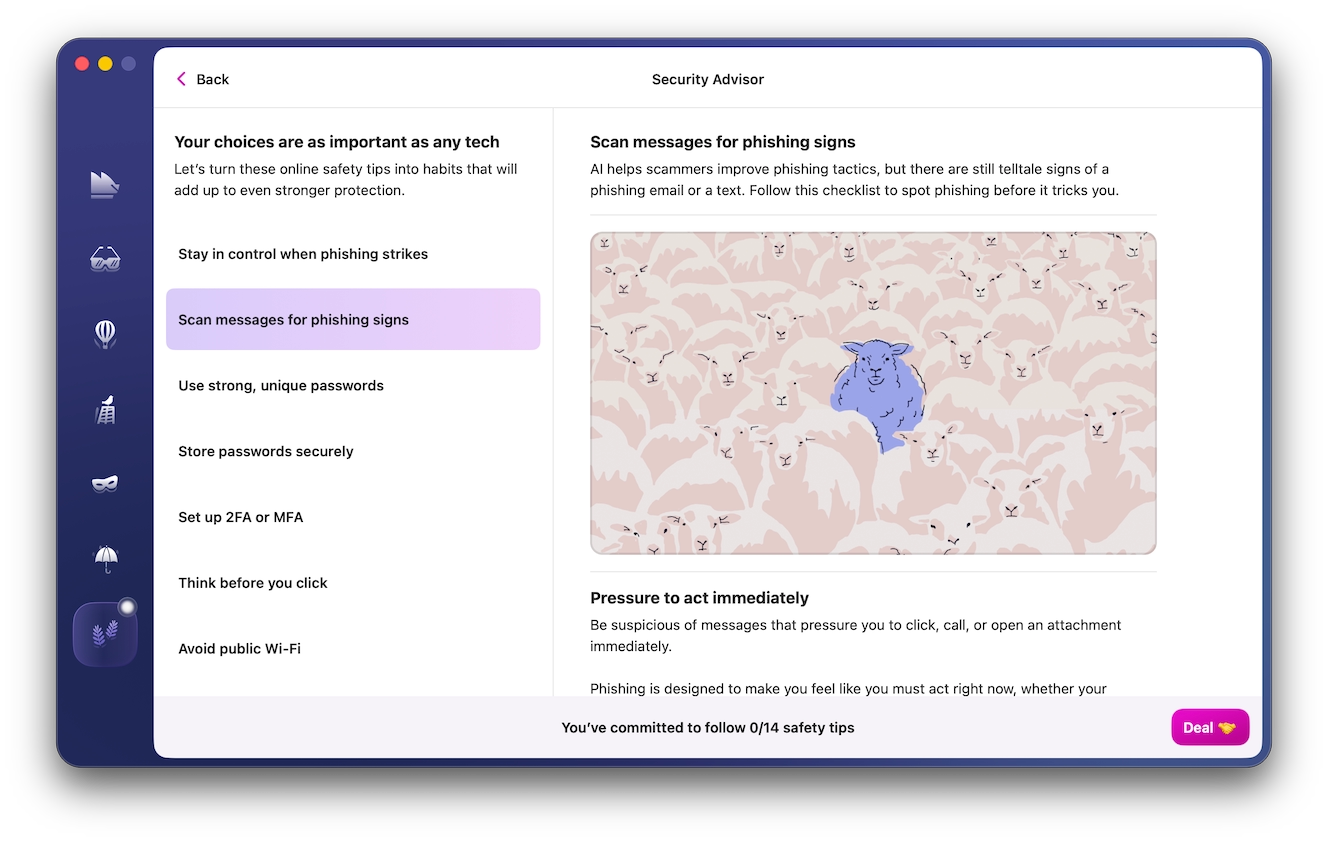
- Use Security Advisor. In addition to protecting yourself against scams, you can heighten your overall cybersecurity posture by optimizing your Mac’s security settings. Consult a tool like Moonlock’s Security Advisor to ensure that your Mac’s defenses are in top shape before you interact with messages from unfamiliar sellers.
Craigslist is legit, but safe buying and selling depend on maintaining control of the deal. If the other person needs a fake guarantee or an unusual workaround to make the transaction work, it could be a scam. In some cases, the safest move is to walk away.
This is an independent publication, and it has not been authorized, sponsored, or otherwise approved by Craigslist, Inc. Craigslist is a trademark of Craigslist, Inc.