


A year after the Divest-or-Ban Act took effect, and following months of intense sale negotiations and regulation, TikTok is still on your phone. The only difference now is that U.S. operations run under the new TikTok USDS Joint Venture, led by multiple American entities.
But new regional ownership of the app doesn’t automatically mean new and improved safety measures. From collecting copious amounts of personal user data to scams and phishing attempts, here’s all you need to know about how safe TikTok is in 2026.
Is TikTok safe from a privacy perspective?
Whether TikTok is safe to download or not is more complicated than a simple yes or no.
With more than 170 million US users (and over a billion users globally), TikTok is one of the most criticized social media platforms for its user privacy policies. In May of 2025, Ireland’s Data Protection Commission fined TikTok just over $600 million for illegally transferring the data of European users to China. This is after the app had already paid $92 million in 2021 to settle a U.S. lawsuit alleging it harvested user facial recognition data without consent.
Data collection is a normal part of any social media platform or application, with TikTok’s data collection being comparable to that of Meta’s or Google’s. The main issue with TikTok is that user data isn’t stored in the same country as its owners, and ByteDance’s staff in China has access to user data.

Don’t fall for the scammers on TikTok
The types of data that TikTok collects
Although TikTok has been criticized for harvesting data, admittedly, it’s no more than the data that other social media companies collect when you use their apps. When you see the list of what these apps collect, however, it can be alarming.
According to TikTok’s privacy policy, the app collects:
- Your exact geolocation
- Videos you watch
- Comments you make
- Private messages you send within the app
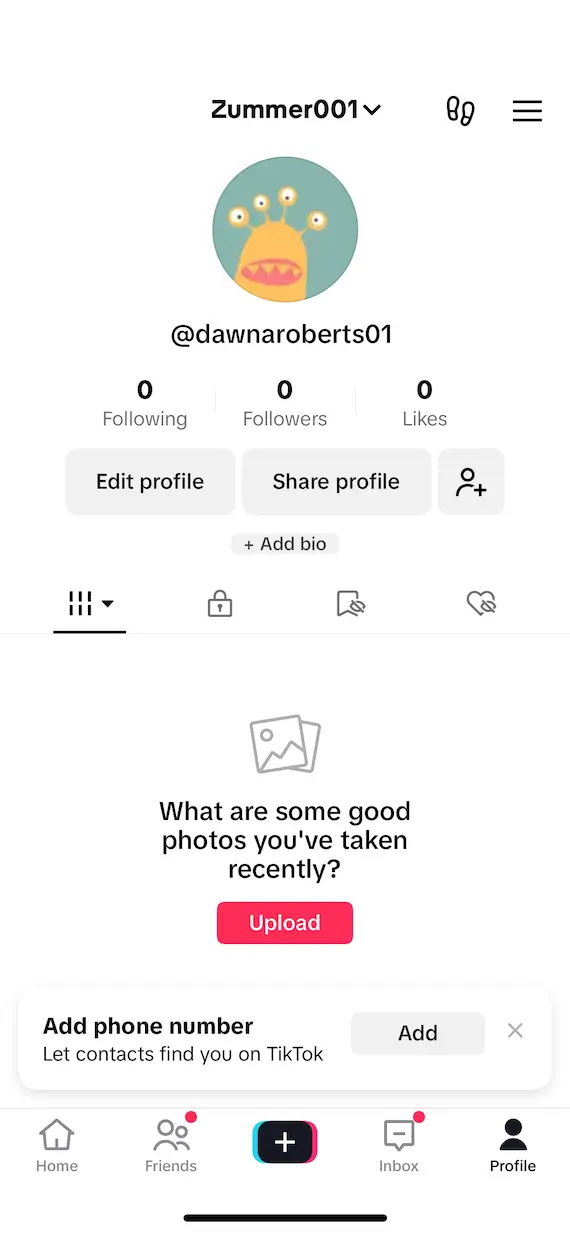
- Contact lists
- Email address
- Phone number
- Age
- Search and browsing history
- Photos and videos you upload
- Your device’s clipboard contents
Can TikTok access everything on your phone?
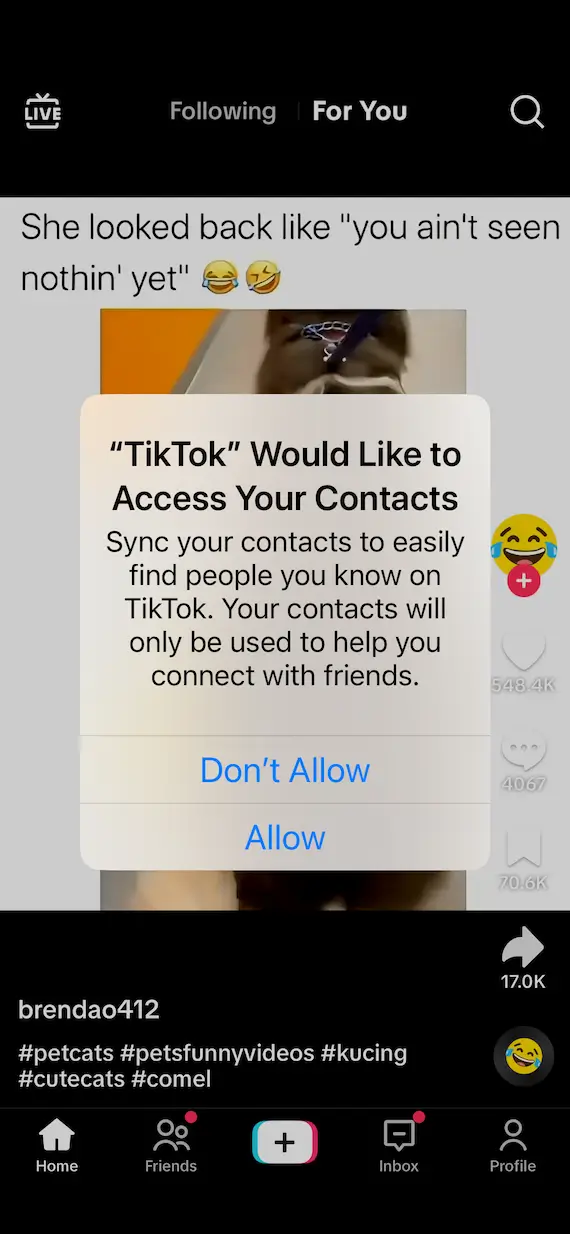
By default, TikTok demands access to everything on your phone, including your photos, device data, cookies, IP address, and all the content you access or create using the app. However, TikTok cannot just access your entire iPhone. iOS is designed to segregate apps so they do not cross boundaries, and only you can give them access to other areas of the phone.
One popular news station reported that the app also collects Face ID data, voice prints, text messages, photos, and more. However, it’s unclear if those rumors are true.
Can TikTok see you through your camera?
TikTok can only access your camera or microphone if you have given the app permission to do so. If you are worried that TikTok is using your camera without your knowledge to spy on you, turn off access to it in your device’s settings.
Does TikTok log your keystrokes?
While it’s true that TikTok logs your keystrokes, it doesn’t do it in the way that a spyware keylogger would. TikTok’s privacy policy states that the app automatically collects “keystroke patterns or rhythms,” which the company says refers to the timing of keypresses, not the actual keys being pressed.
There are, however, some suspicions that TikTok’s iOS app injects code that could enable it to monitor all keyboard inputs and taps on third-party websites opened using the in-app browser. TikTok has since called the accusations “incorrect and misleading,” claiming that the code is only used for debugging and performance monitoring. However, the suspicious code is still a part of the iOS app.
Is TikTok monitored by China?
ByteDance, TikTok’s parent company, is headquartered in Beijing, China. That means it’s subject to China’s 2017 National Intelligence Law, which legally compels companies to hand over user data if asked. In June of 2022, BuzzFeed News published a leaked audio recording of more than 80 internal TikTok meetings, containing 14 statements from 9 different employees indicating that engineers in China have access to U.S. data.
Less than 6 months later, ByteDance confirmed that it used TikTok to track and monitor the physical location of journalists using their IP addresses. In response to these accusations, TikTok started routing U.S. user data through Oracle, in what has been dubbed Project Texas. This allowed Oracle to act as the security partner responsible for auditing and validating compliance with the agreed-upon national security terms.
In February of 2026, TikTok rolled out more intrusive personal data collection and targeted ads. As a result, many users are choosing to leave the platform altogether.
Is TikTok safe to use for children and teens?
TikTok is currently one of the most popular apps used by teenagers. In fact, roughly two-thirds of all US teens use the app.
As with any social media platform, TikTok poses risks for children and teens. It’s up to parents to decide if they want their children to have access to apps that collect data and can potentially expose their children to unwanted content. Keep in mind that the data being collected could open the door to identity theft if your child/teen shares too much of their personal lives.
Potential dangers of TikTok for underage users
TikTok poses many risks for underaged users, including:
- Identity theft
- Vulnerability to scams
- A “For You” feed that can expose underaged users to unsafe or inappropriate content
- Being targeted by predators
- Mental health issues
- Anxiety
- Cyberbullying
- Exposed privacy
- Potential access to explicit/unsafe photos
Age-specific restrictions
TikTok continues to have a minimum age requirement of 13. However, this is only enforced via a date-of-birth gate. This means anyone could lie about their age when signing up for an account. Under-13 accounts in the U.S. get a limited, view-only experience. Meanwhile, accounts for 13 to 15-year-olds are set to Private by default, with no DMs, no Duet/Stitch features, gifting, or LIVE streaming.
TikTok’s Family Pairing feature
TikTok’s Family Pairing feature lets a parent link their account to their child’s account to customize their daily screen time limit, mute notifications, restrict DMs, and enable Restricted Mode. However, some experts have called this feature useless, as kids can easily unlink their accounts from their parents’.
Dangerous TikTok trends, mental health risks, and algorithmic echo chambers
Many viral TikTok challenges have been linked to serious injuries and deaths in teens. TikTok’s For You algorithms can also trap users in “filter bubbles” where they’re repeatedly shown content promoting self-harm or eating disorders.
The TikTok ban and sale: What changed in 2026
Congress passed the Protecting Americans from Foreign Adversary Controlled Applications Act (PAFACA) in April of 2024. One of its primary motives was to give ByteDance, the then-Chinese parent company of TikTok, 9 months to divest the app’s U.S. operations or face a nationwide ban.
On January 17 of the following year, the Supreme Court upheld the Divest-or-Ban Act in the TikTok, Inc. v. Garland case. The ban took effect on the 19th before being put on hold by President Trump, who issued executive orders on January 19, 2025 and later in the year to delay enforcement while sale negotiations continued. Over the course of 2025 and 2026, the TikTok ban was delayed through multiple executive orders while sales talks unfolded. Eventually, the TikTok USDS Joint Venture LLC was established on January 22, 2026, which included known U.S. entities such as Oracle, Silver Lake, and MGX, with ByteDance retaining less than 20% ownership of the app.
A full US ban would have effectively pulled TikTok from the Apple and Google app stores, blocked updates, and exposed U.S. companies still supporting the app to penalties. As for users, VPNs offered only inconsistent access during the January 2025 blackout window, and their data would have been exported overseas for storage and processing.
TikTok scams you should be aware of
Unfortunately, as fun as TikTok might be, it’s replete with scams you should be aware of. Here are the three most common types of scams on TikTok.
Phishing scams
A scammer may contact you directly using a DM or post something with a malicious link that takes you to an unsafe site, where they will attempt to steal your personal information for identity theft reasons or to steal money from you. Most often, they want your login credentials to gain access to your accounts.
Celebrity and influencer impersonation scams
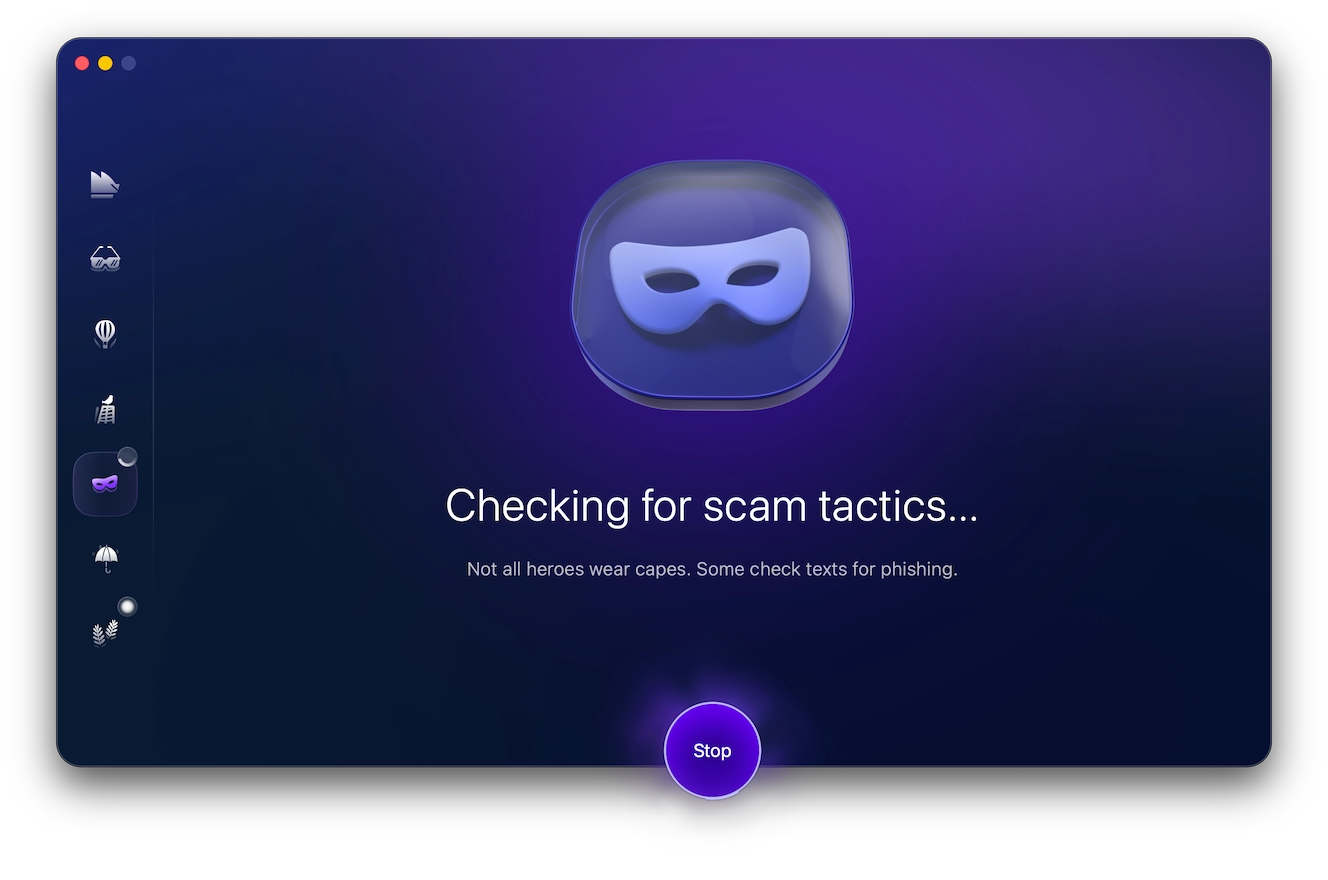
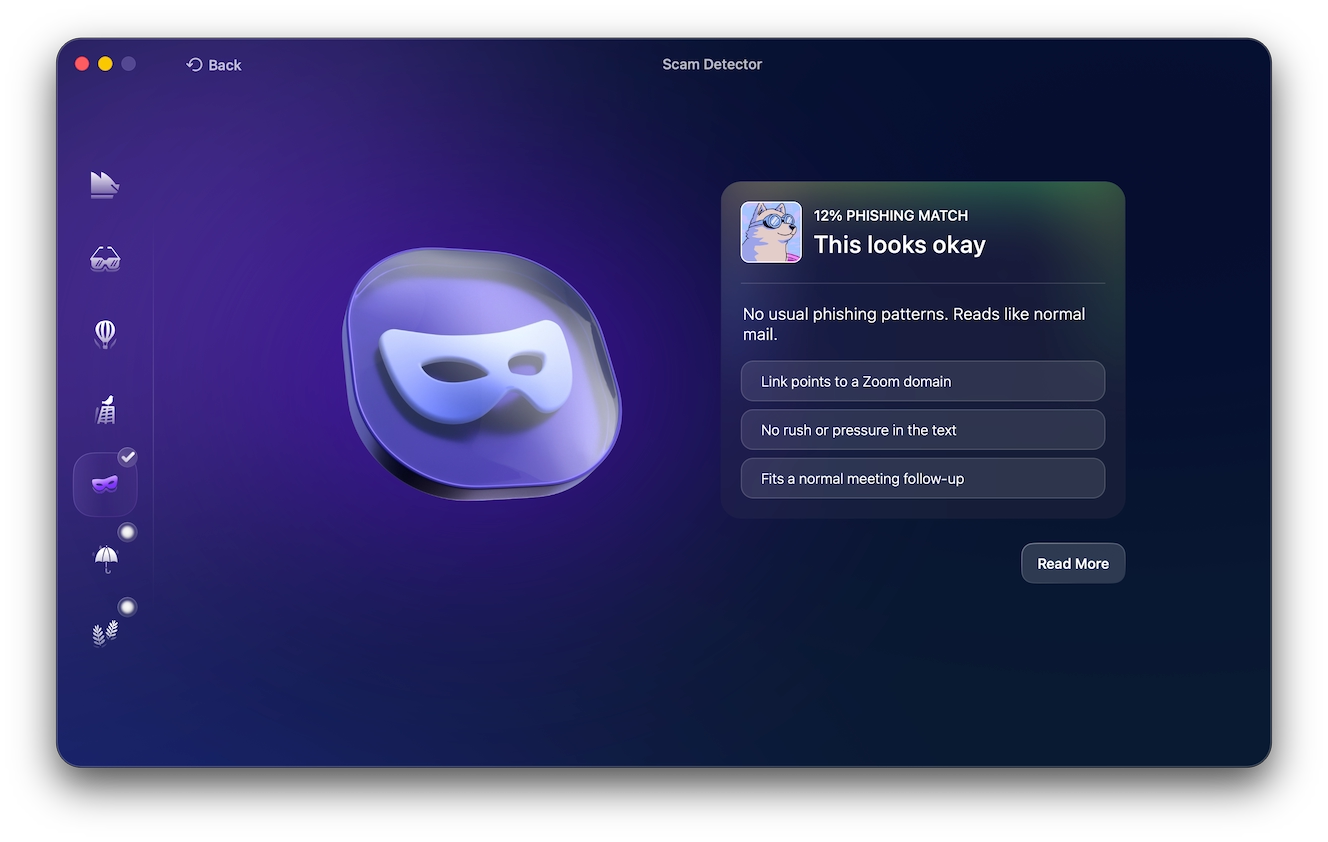
Scammers can use AI to clone the profiles of celebrities and famous creators to DM followers with fake giveaways, collabs, or “exclusive tips.” Such scams aren’t always easy to detect, but Moonlock’s Scam Detector can flag suspicious messages before you engage, available with a 7-day free trial.
Bot accounts and coordinated engagement rings
Mass-produced bot accounts are a major problem on most platforms. They like, comment, and follow in coordinated swarms in order to inflate views or engagement on a post or profile. These are often used to make fake accounts seem legitimate, making users more susceptible to falling for scams.
Crypto and investment scams
You might stumble upon accounts promising high crypto returns, usually citing faked or AI-generated “proof” of profits. They sometimes even fake celebrity and influence endorsement using AI. Victims are typically funneled to WhatsApp and Telegram groups where they’ll be asked to send money before the scammers vanish.
Fake products and shopping scams on TikTok Shop
TikTok Shop has a plethora of counterfeit goods and designer dupes, just like Facebook Marketplace. Some goods being sold don’t even exist! A few of the patterns seen in fake storefronts include inconsistent branding, vendors without a history on TikTok or any other social media, or “bot-sounding” comments and engagement.
AI deepfake scams and fraud
AI-generated clones of celebrities, politicians, or even relatives are beginning to spread on TikTok. They often engage in product endorsement, hyping investment apps, and targeting users by directly asking for cash or sending malicious links.
Fake giveaways
A scammer will contact you to say you won something or that they have an easy way for you to make money. Unfortunately, nothing is ever free. Eventually, the scammer will ask for payment for shipping, supplies, or other fees before they give you your prize, which you will never see.
Romance scams
In a romance scam, a user will pretend to be infatuated with you. Things will progress swiftly from there. Eventually (and inevitably), they will need money due to some sort of emergency. They hope you will be so in love that you won’t think twice before opening your wallet.
How to stay safe on TikTok
Your best bet for staying safe on TikTok is to observe the following strict cybersecurity practices. If your children use the app, teach them these rules so they can stay safe as well.
Set your account to Private
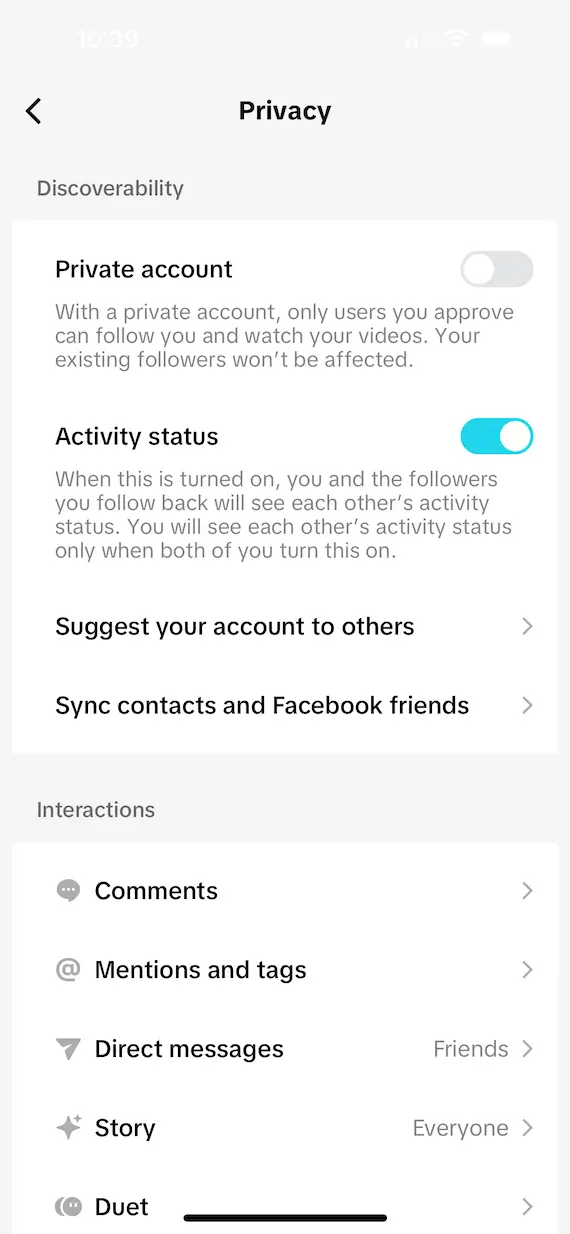
One of the best ways to stay safe on TikTok is to set your account to Private so that only approved users can follow you or see the content you share.
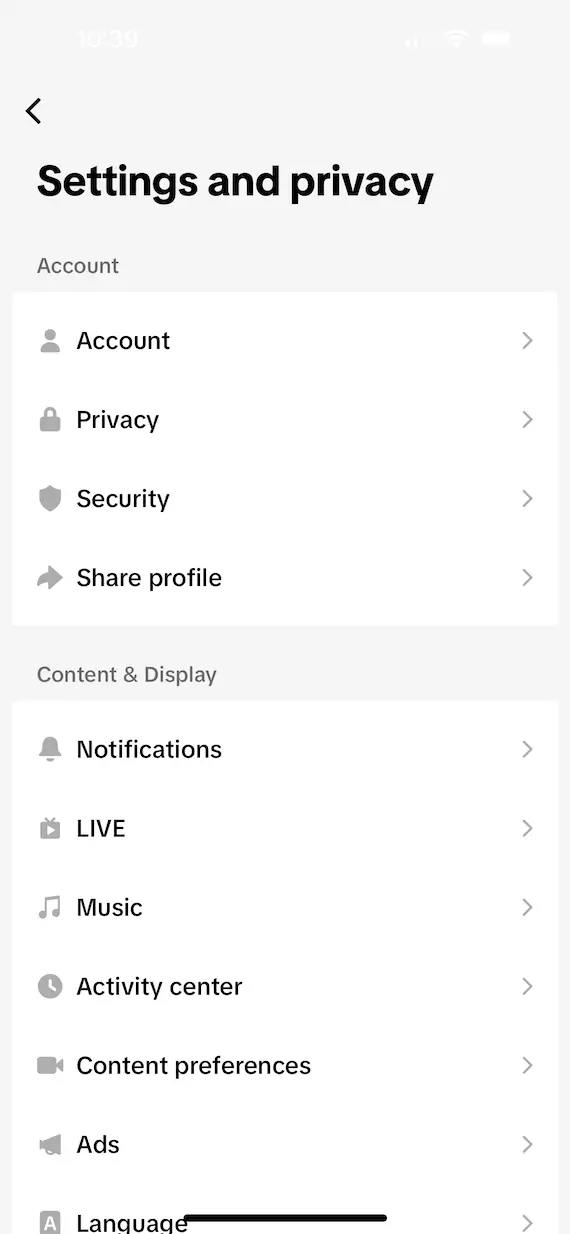
To set your TikTok account to Private:
- Navigate to Settings and privacy.
- Select Privacy.
- Toggle the Private account option to the on position.
Don’t share personal information
Never give out personal information like your social security number, home address, or other details that might be used for identity theft. And never give payment details, such as bank account information, credit card numbers, etc., to anyone you don’t know.
Restrict access to your data
Go into the settings area of your phone and restrict TikTok’s access to anything you don’t want it to share, such as your photos, messages, and location. Go through each privacy and security setting within the app and set them to maximum.
Use a VPN to hide your location
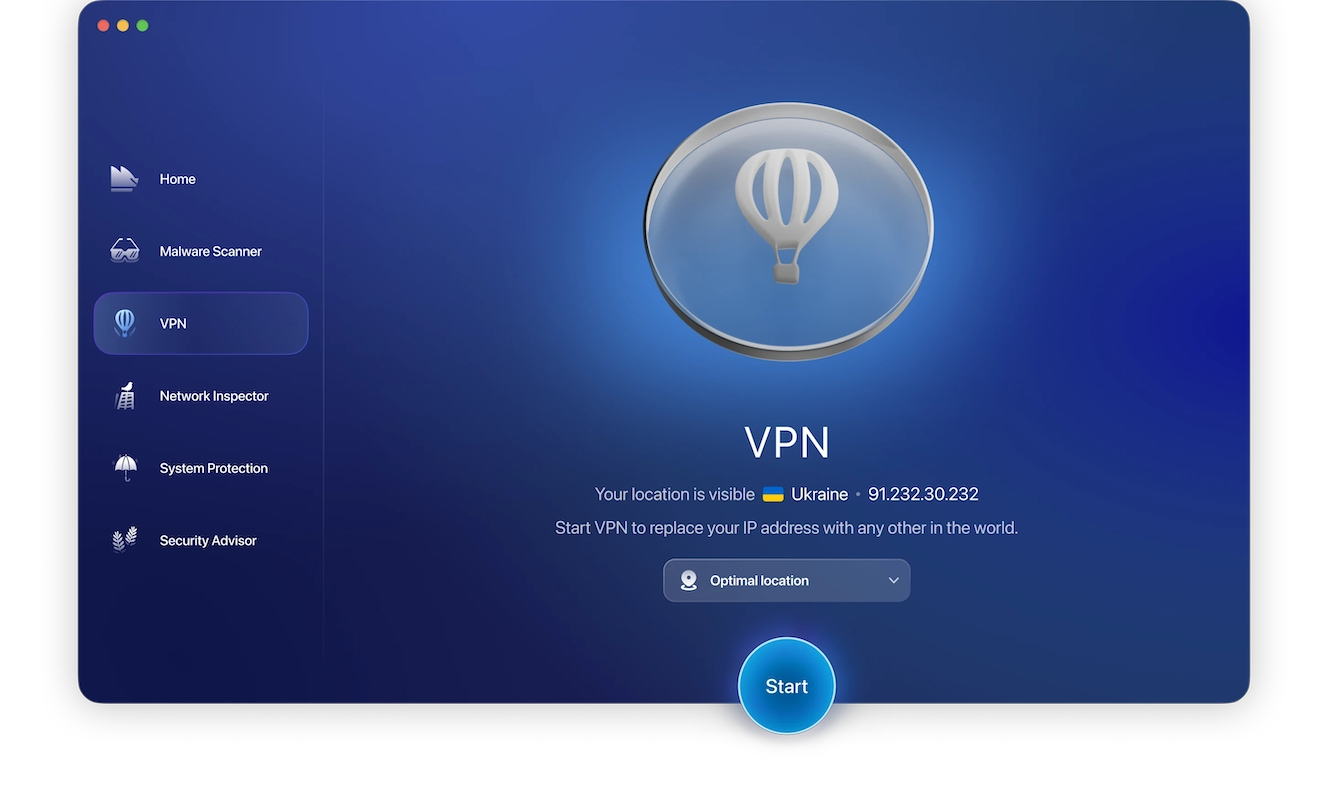
Install and use a VPN when using TikTok to hide your IP address and location. A VPN could also protect you from other dangers like man-in-the-middle attacks.
Use a burner phone with TikTok
Users who take their online security to the extreme may consider using a cheap burner phone to install TikTok. If you don’t connect your other accounts (Apple, Google, etc.) and keep the burner phone lean and clean, the app will have no data to harvest.
Use antivirus software and run frequent scans
Install antivirus software on your device and run frequent scans to look for anything unusual. Scammers often install malware on your device to steal even more from you.
Downloading, installing, and using TikTok is a personal decision you must make for yourself. If you’re okay with the app harvesting data from your phone, use it.
We recommend that you do all you can to secure that your social media platforms while protecting your personal data. If you must use TikTok, do so responsibly and limit how much and what you share within the app.
This is an independent publication, and it has not been authorized, sponsored, or otherwise approved by ByteDance Ltd. TikTok is a trademark of ByteDance Ltd.