eBay is a trusted site with a global marketplace. In 2025, shoppers from 190 countries and territories, roughly 136 million active buyers, spent about $79.6 billion on eBay. The question is, how safe is eBay? What happens if something goes wrong? And are you protected from fraud while using their platform?
Is eBay safe and secure?
Yes, eBay is safe for many buyers and sellers, as long as the transactions stay inside eBay’s systems.
eBay has policies in place to help fight fraud (including the Money Back Guarantee), which may cover eligible purchases. Some products may also qualify for the Authenticity Guarantee, which adds another review step for eligible items. That said, eBay scam protection is limited to the eBay platform. Protection does not apply outside of eBay.
So, can you get scammed on eBay?
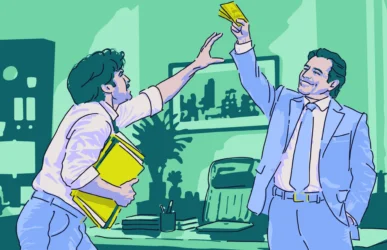
It is possible to get scammed on eBay as a buyer or a seller. An eBay scam may involve a fake listing, a false delivery claim, a counterfeit item, a phishing email, or a buyer who abuses the return process. While some scammers pose as eBay support, others push for payment methods outside of eBay checkout.

How to spot an eBay scam before you lose money
In most eBay scams, you’ll have a moment to pause before money or personal information is at risk.
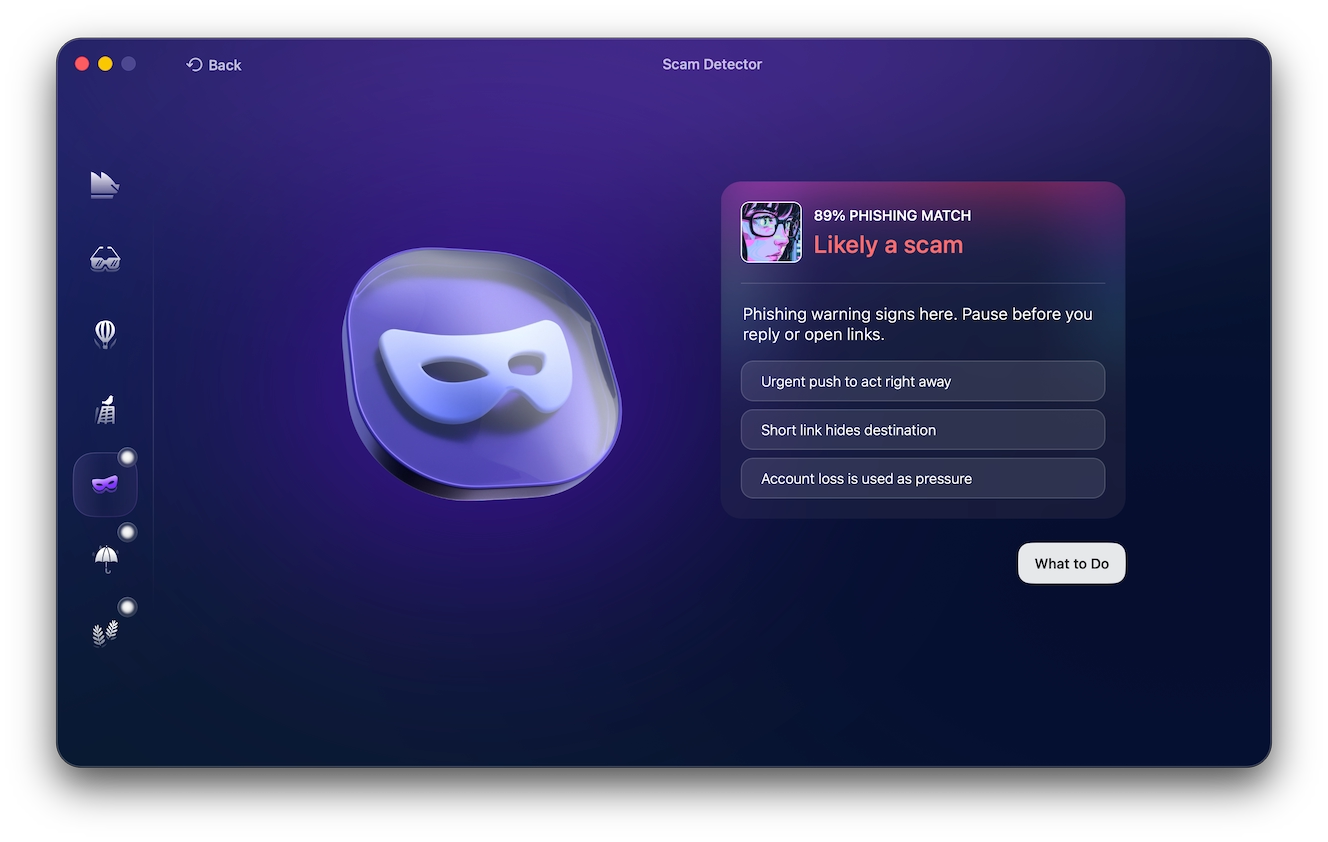
Moonlock’s Scam Detector can help you review suspicious eBay messages before you click, reply, scan a QR code, call a phone number, or open an attachment.
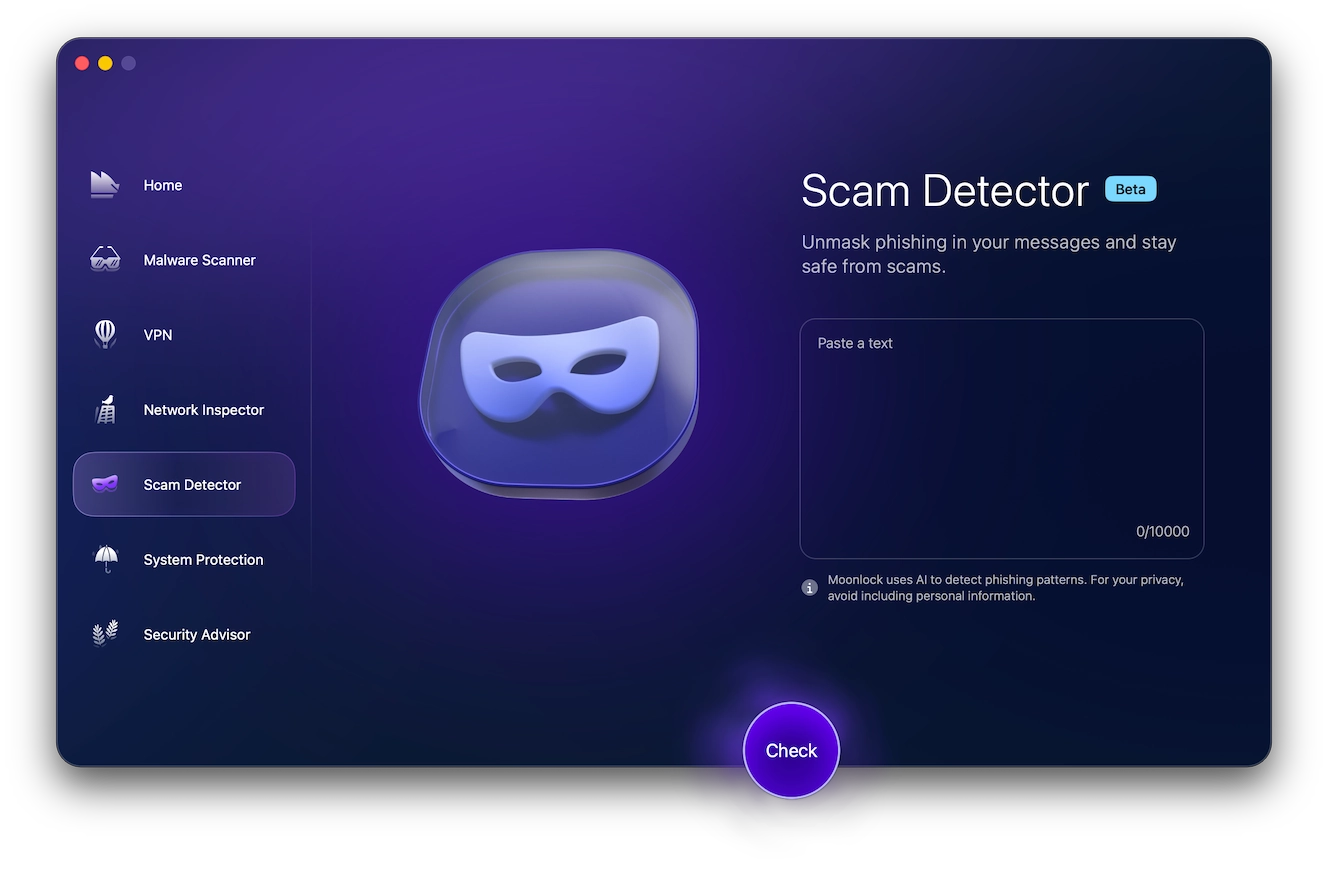
To use Scam Detector to recognize eBay scam patterns:
- Sign up for a free Moonlock trial
- Open Scam Detector on your left.
- Copy and paste the suspicious message into the text box (or upload a screenshot).
- Click Check and review the results.
A scam message can look polished and still be fake. Using Moonlock Scam Detector gives you another layer of review when something feels off.
Additionally, remember to avoid clicking links or opening attachments in suspicious messages. Always go directly to eBay to verify any claim regarding your account.
Red flags for buyers
- New/inconsistent seller history: A seller has recent complaints or a history that does not match the item they are selling.
- Short listing window: One-day/rushed listings can be a sign that the seller wants to close the sale before the account can be reported.
- Prices far below market value: A steep discount on electronics, collectibles, designer goods, or sold-out items can point to a fake listing.
- Generic or stolen photos: Stock images, blurry photos, or pictures found elsewhere online may mean the seller does not actually have the item.
Red flags for sellers
- Skipping signature confirmation: Keep the “signature proof” option on for higher-value shipments, regardless of the buyer’s preferences.
- Fake payment email: Always verify information inside your eBay account before shipping (even if it looks official).
- Refund request before return: A buyer who requests a refund but wants their money back before shipping the item back to you may be trying to scam you twice.
- Last-minute address change: A buyer who asks you to ship to anywhere other than the address listed on the order may be setting you up for a delivery dispute.
Common eBay scams targeting buyers
eBay scammers that target buyers usually aim to separate you from eBay’s records and make fake transactions look normal.
The seller takes your money but never ships the item
These scams often target categories with limited or no eBay Money Back Guarantee coverage. A scam seller may accept payment and then upload fake tracking information, only to disappear once the payment clears. If the item does not arrive, use the Resolution Center.
Fake delivery tricks
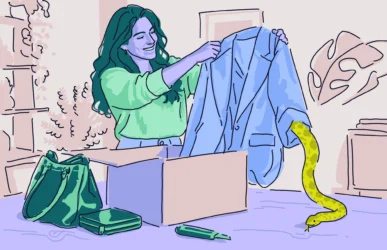
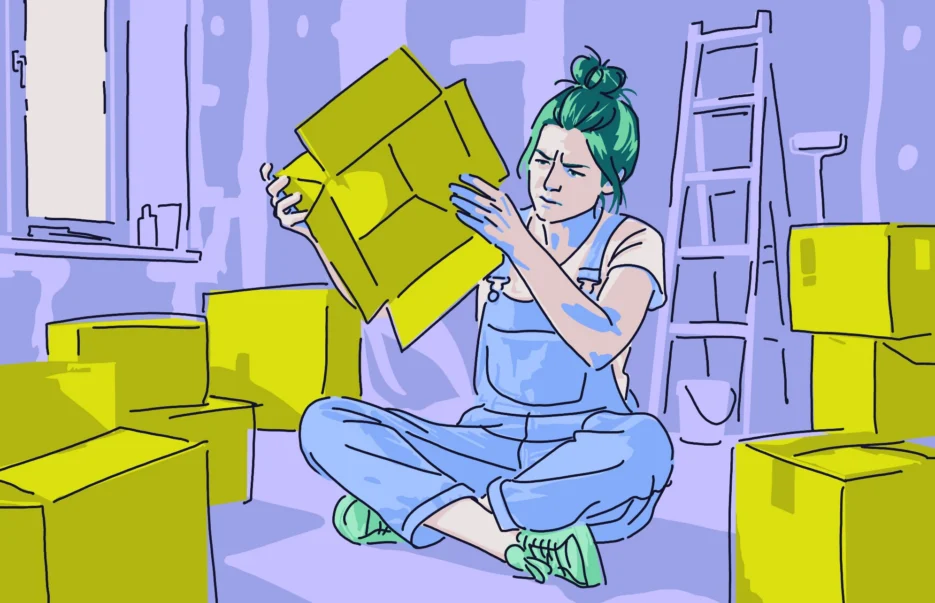
Tracking numbers tied to another address in your ZIP code or an empty box can make it seem like the order was delivered. If your tracking number says “Delivered” but no product arrives, report the issue through eBay.
eBay Motors scams
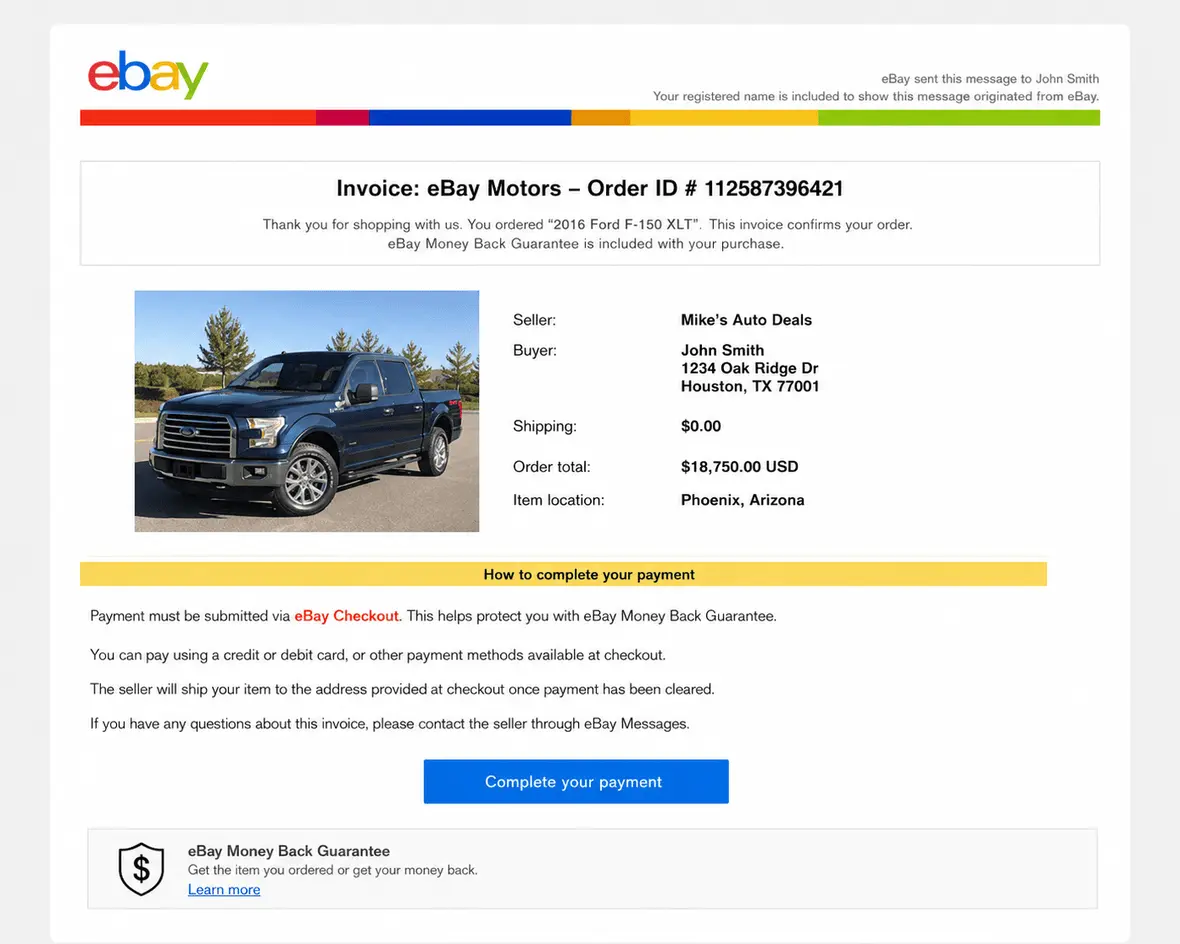
eBay Motors scams often involve underpriced vehicles advertised with stolen photos, followed by pressure to pay a deposit before viewing the car. Never wire money outside eBay.
Requests to pay outside of eBay
A seller may offer an incentive like a discount for payments (Zelle, PayPal, Venmo, or wire) outside of eBay’s checkout. The problem is, once payment leaves eBay, buyer protection does not apply.
Fake and replica items sold as genuine
Scammers may build feedback by selling common low-cost items before upgrading their inventory to expensive fakes. Watch for stock photos and prices that do not match the market. For eligible goods, look for eBay’s Authenticity Guarantee checkmark.
Fake eBay emails and phishing messages
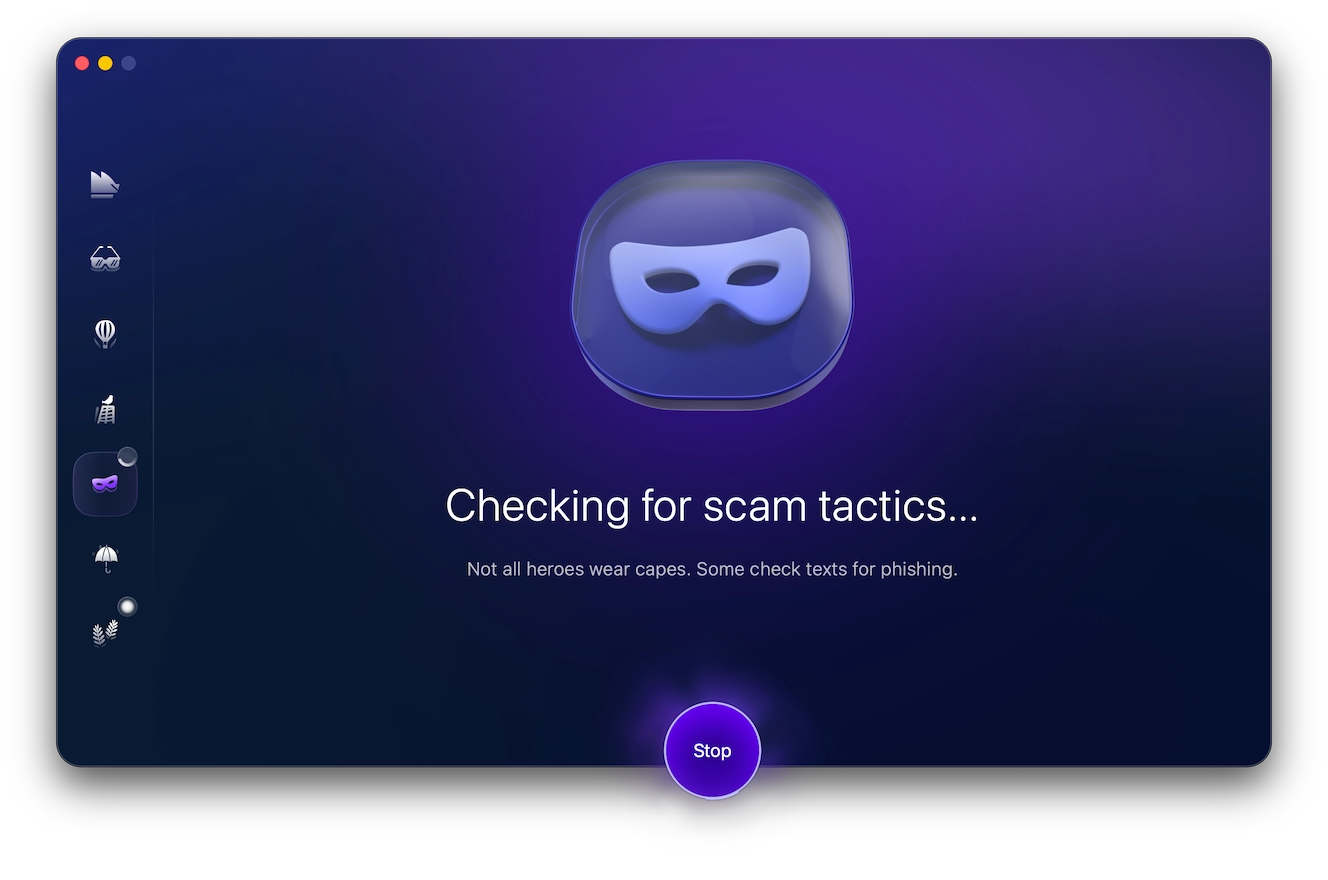
Fake eBay emails may claim that your account is locked or your payment failed. If you get a message that seems suspicious, check eBay Messages. Do not open attachments or click suspicious links. Forward phishing emails as attachments to [email protected].
If you’ve received a suspicious eBay email, Scam Detector can help review it before you click anything. Start your free trial of Moonlock to protect yourself (and your wallet).
eBay gift card payment demands
eBay gift card scams work because gift card codes are like cash. Scammers ask you to buy a card and send the code. eBay gift cards should only be redeemed at checkout on eBay.com.
Fake eBay support contacts
Scammers sometimes set up fake eBay support numbers, and, once they get you on the phone, push for login details or payment information (information can be used for identity theft). You can verify support requests by signing in to eBay.
Photo-only listings and phantom items
Some listings seem to be selling the genuine article at a fantastic price, only to hide wording such as “photo only,” “box only,” or “actual item may vary” in the description. These items are intentionally misleading, so it is important to read the full listing before paying.
Wrong name on the shipping label
Be wary if you receive a package shipped to your address with someone else’s name on it. This could be a sign of a scam, with the scammer hoping you will return the package. Contact eBay before sending anything back.
The Second Chance Offer scam
A real Second Chance Offer should appear inside eBay. But scammers sometimes imitate this feature after you lose an auction, claiming the winning bidder backed out. If they ask you to pay them via an outside email address or to wire money, it is a scam.
The triangulation scam
In triangulation fraud, a scammer lists an item on eBay, collects your payment, then buys the item from a retailer with a stolen card and ships it to you. If the package arrives from a store you did not buy from, report it to eBay.
eBay scams targeting sellers
Sellers can also lose money, inventory, and account standing through eBay buyer scams.
Buyers claiming they never received the item
A buyer may receive an item, then claim it never arrived. Use tracked shipping and signature confirmation for higher-value orders. eBay requires signature confirmation for items valued at $750 or more.
The switch scam: Returning a different item
In a switch scam, the buyer asks for a refund for their purchase but doesn’t return the item they were sent. Instead, they return a broken or fake version, or a different item entirely. It is important to record serial numbers and photograph the item before shipping, as well as keep package weight records. Also, film the return unboxing for expensive goods.
eBay overpayment check scam
A buyer may “accidentally” overpay and ask for a refund of the difference before the funds clear. However, the original payment can later bounce. Never refund overpayment outside of eBay.
Credit card chargebacks after delivery
Some buyers file a chargeback after delivery, claiming the payment was unauthorized or the item never arrived, so all information, including delivery proof, messages, listing details, and photos, needs to be ready in case eBay or a payment provider requests evidence.
Negative feedback threats or review blackmail
Scam buyers may threaten to leave a bad review unless you offer them a refund. Take a screenshot of the messages and report the behavior to eBay; do not attempt to handle this privately.
What to do if you’ve been scammed on eBay
If you got scammed on eBay by buyer or seller activity, act quickly and keep records:
- Gather the order number and other important listing information.
- Contact the buyer/seller through eBay first.
- Open a case through the Resolution Center within the allowed window, often 30 days for eligible Money Back Guarantee issues.
- If the seller does not resolve it after 3 business days, ask eBay to step in.
- If eBay closes the case against you, appeal within 30 days with new evidence.
- If payment was made by card or through PayPal, ask the provider about dispute or chargeback deadlines, which may range from 60 to 120 days.
- Report phishing to [email protected] and gift card scams to eBay and the FTC.
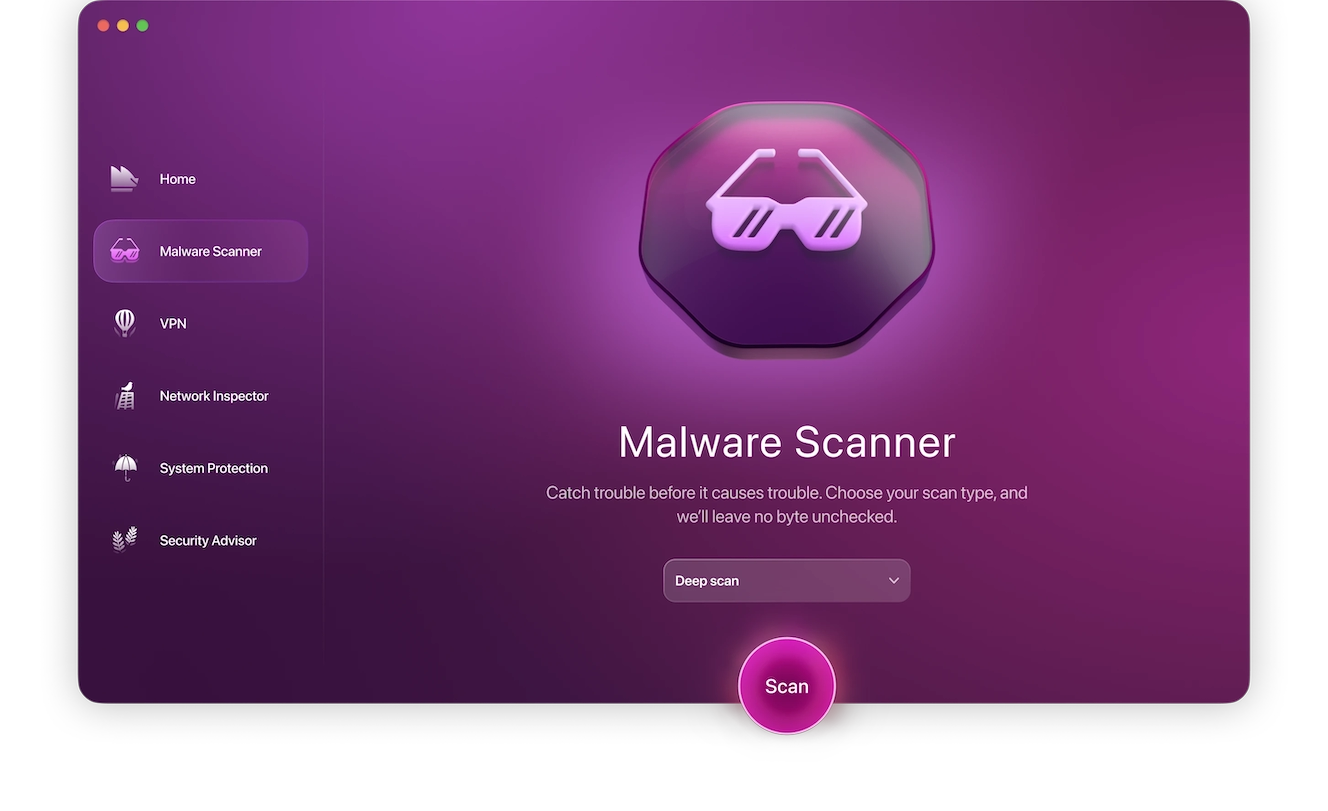
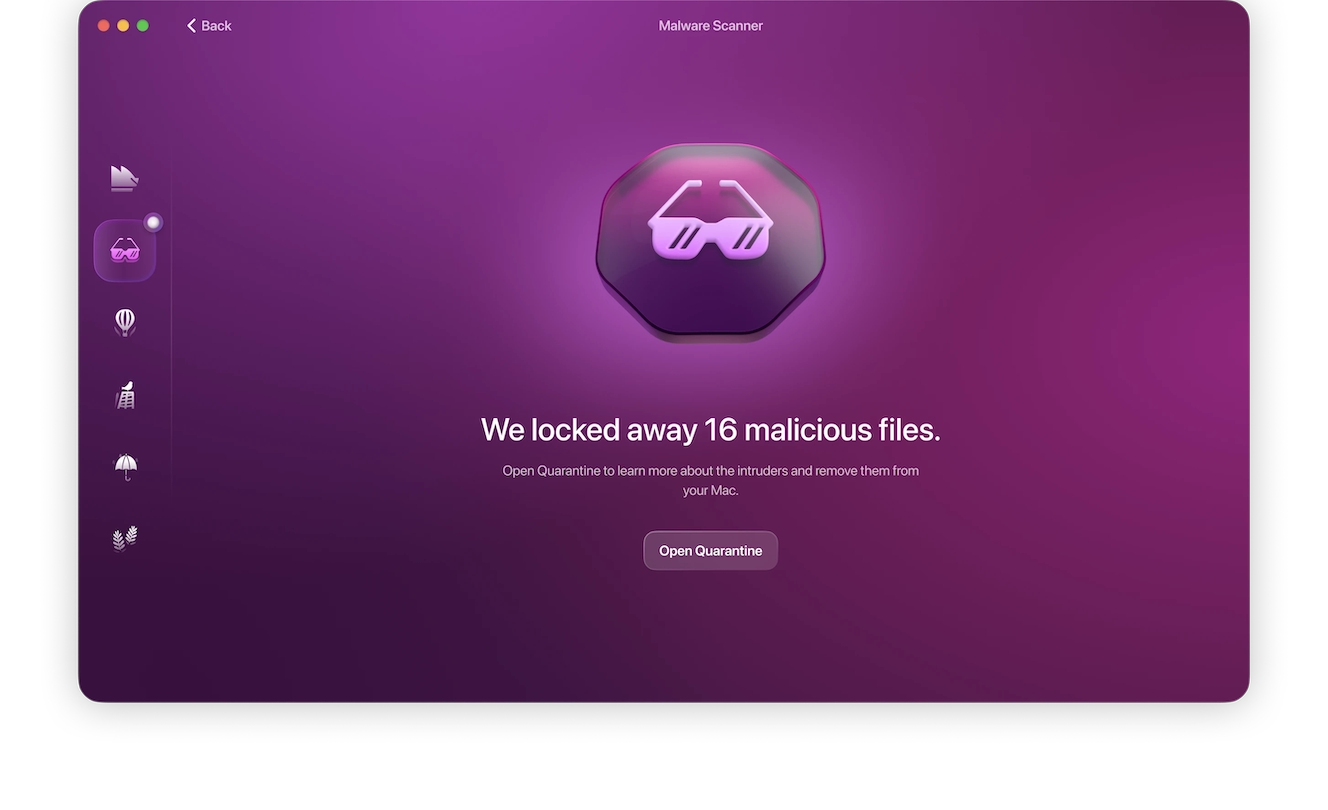
If you downloaded a file, opened an attachment, or installed software during the scam, run a malware scan with Malware Scanner to make sure nothing malicious slipped through. Here’s how to do it:
- Get Moonlock for free for the next 7 days
- Install and open the app.
- Choose the Malware Scanner tool from the left-hand sidebar.
- Click Scan.
- Review the list of detected threats and remove anything suspicious.
Common questions about eBay scams
Overall, buying and selling on eBay is a safe experience. However, you may still have a few questions about how fraud protection works and what to do if you encounter an issue.
eBay may refund eligible purchases through its Money Back Guarantee but only if you paid on eBay, used an accepted payment method, and reported the issue on time.
Do not click links or open attachments. Check whether the same message appears in your eBay Messages. If not, and if it came by email, forward it as an attachment to [email protected].
Use the Resolution Center for suspicious listings, and contact eBay Customer Service for gift card scams. For identity theft or payment fraud, report the issue to the FTC and your bank.
Most eBay activity is legitimate. However, the platform’s size gives scammers room to operate, and, with millions of listings, even a small amount of fraud can affect many users.
How to avoid eBay scams and not get tricked again
The best way to avoid scams on eBay is to keep deals verifiable. Here are a few extra quick tips to stay safe on eBay:
- Keep all communication inside eBay Messages.
- Never pay outside of eBay checkout.
- Be suspicious of prices that seem too good to be true.
- Review seller feedback and account history before buying.
- Verify unexpected emails or messages directly through your eBay account.
- Use tracked shipping and signature confirmation for high-value items.
- Report suspicious activity to eBay immediately.
To a certain extent, your safety is in your own hands anytime you participate in the e-commerce experience. For buyers and sellers on eBay, that means observing a few safe practices, such as using eBay Messages, paying only through eBay checkout, reading the full listings, comparing prices, and checking whether the seller’s history matches the item being sold. Follow the rules in this guide, and you can have a safe experience on eBay.
This is an independent publication, and it has not been authorized, sponsored, or otherwise approved by eBay, Inc. eBay is a trademark of eBay, Inc.