In the rapidly changing landscape of online threats, gift card scams continue to be one of the costliest forms of payment fraud. In 2024, the FTC received over 40,000 fraud reports involving gift cards, with losses upward of $212 million. Even worse, scammers are getting creative, employing AI in their schemes to trick more and more people.
In this guide, we’ll explain the most common types of gift card scams and how to avoid them.
What are gift card scams?
A gift card scam is a type of financial fraud that tricks people into buying gift cards and sharing their codes with a scammer. In many ways, it’s a scammer’s preferred way of getting money from a victim because once a gift card is redeemed, the transaction is irreversible, and the money can’t be traced back to the perpetrator.
Why scammers prefer gift cards for fraud
There are many reasons why scammers opt for gift cards over other payment methods, including:
- Instant value: Unlike wire transfers and checks, card numbers and PINs can be redeemed and used immediately by the scammer.
- No identity verification: The scammer doesn’t need to verify their identity to use the gift card.
- Hard to trace: There’s very little information from a gift card for law enforcement to track the scammer.
- Irreversible: Once a gift card is redeemed, the charge can’t be reversed.
- Easy to resell: Unused codes can be bought online or traded for goods.
How scammers use gift cards to steal your money
While scammers can get creative with their schemes, most gift card scams follow a common formula:
- Use a believable hook: The scammer creates a story by impersonating a business, government agency, employer, or relative.
- Create urgency: They apply pressure and demand immediate payment for fees or emergencies.
- Request gift cards: Instead of a wire transfer or Venmo transfer, they insist that you buy and send them gift cards of a specific type and value.
- Redeem the cards: Unlike crypto, gift cards don’t require an online wallet or technical knowledge and can be easily redeemed at the brand’s store or online.
Types of gift card scams
A gift card scam can come in a variety of forms, ranging from impersonation to fake prizes and card tampering.
Gift card draining
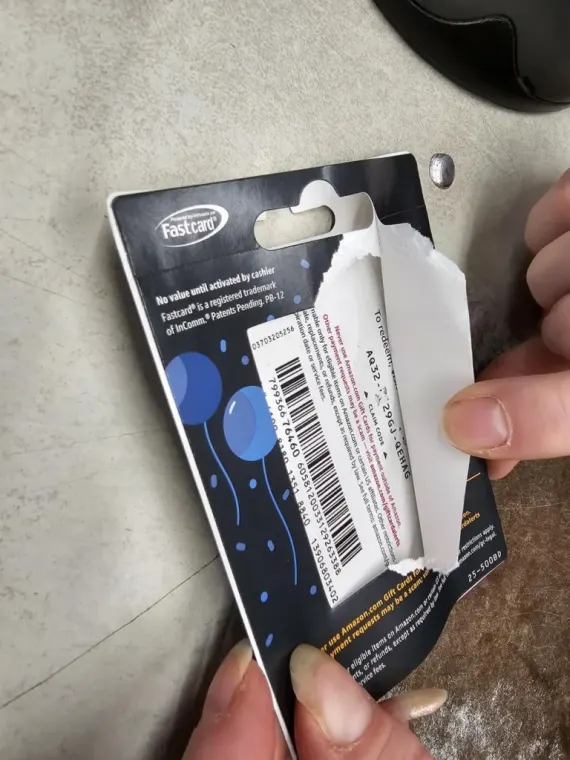
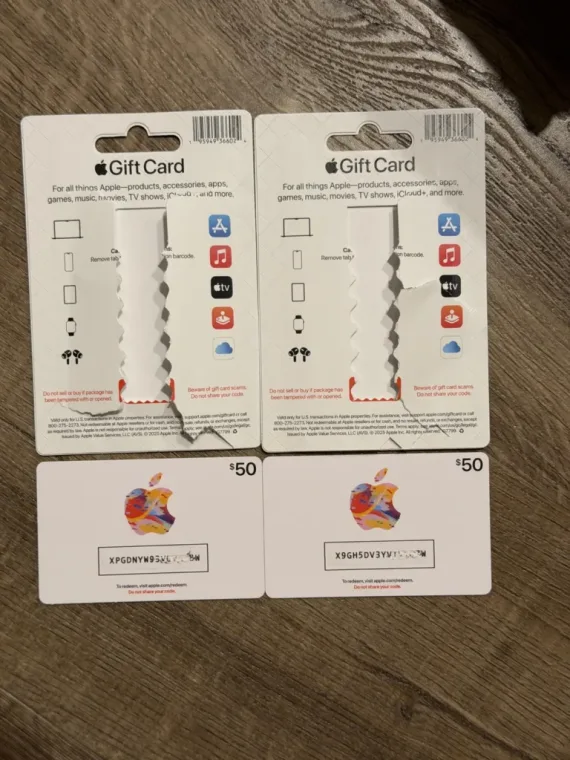
You might find yourself the victim of a gift card scam without having even engaged with a scammer online. This is known as gift card draining. Here’s how it works:
- The scammer records the number or barcode of a gift card in a store without buying it.
- They reseal the package and place it back on the shelf.
- An unsuspecting customer buys the card, only to find it’s already been redeemed.
Some scams are more malicious, like the barcode swap. The scammer sticks a fake barcode on the gift card, which, when scanned, redirects the user’s payment to a different account or a card controlled by the scammer.
Fake survey and text message scams
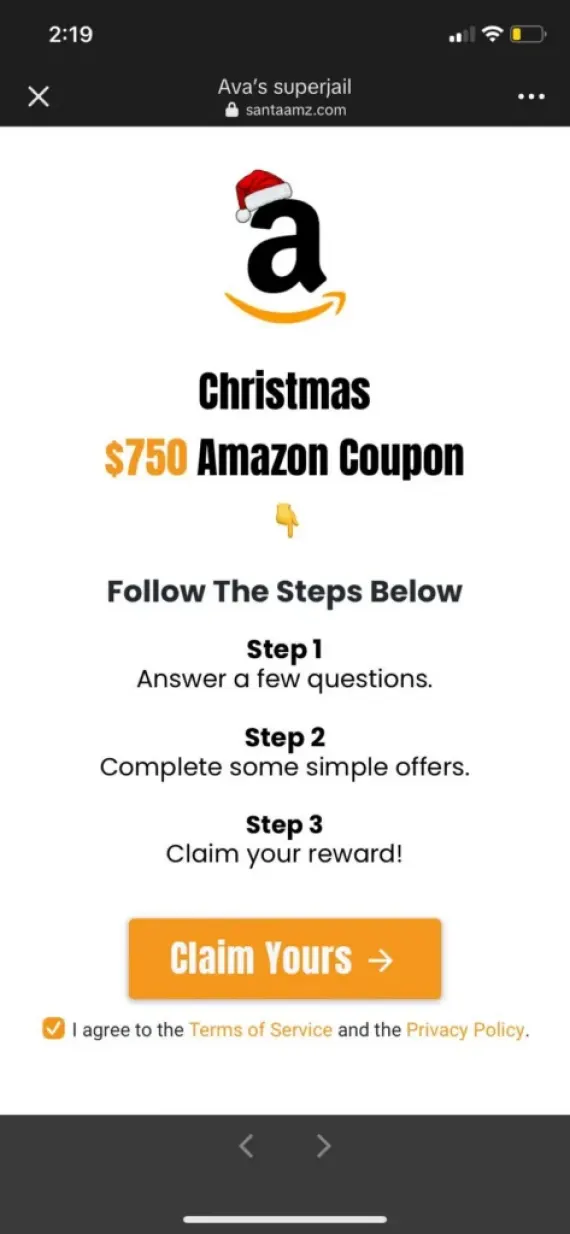
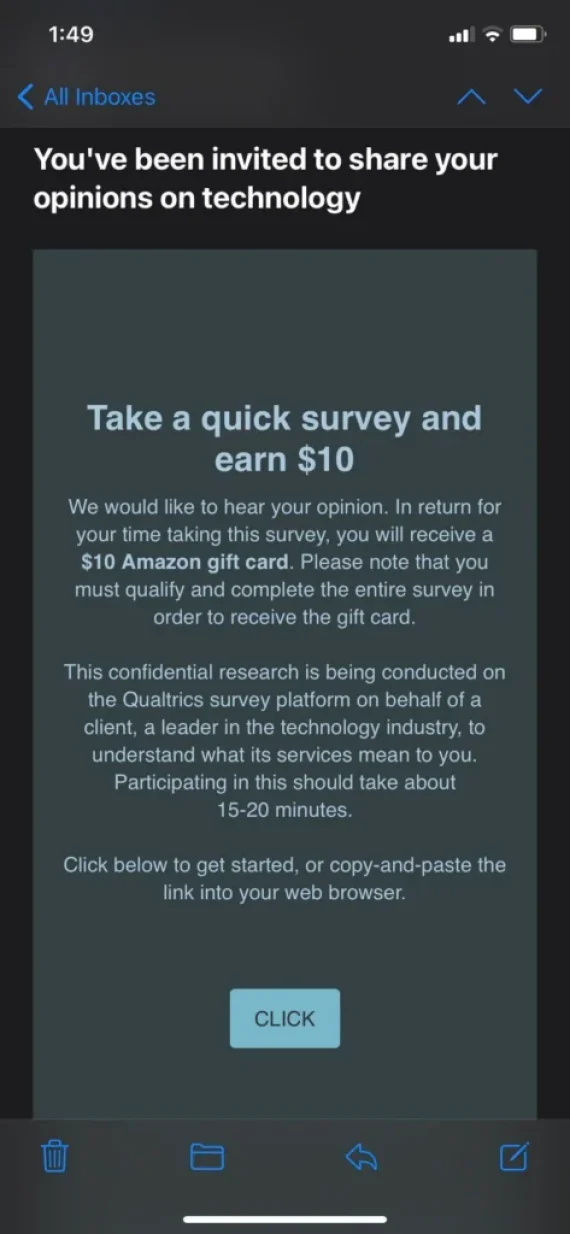
This type of scam has been around since the early days of social media, and Apple gift card scams have since become increasingly common.
In this scam, you receive an unsolicited email or DM promising free Amazon, Apple, or Walmart gift cards in exchange for completing a 10-minute survey. In reality, these fake surveys target your personal or banking information, which can then be used for identity fraud.
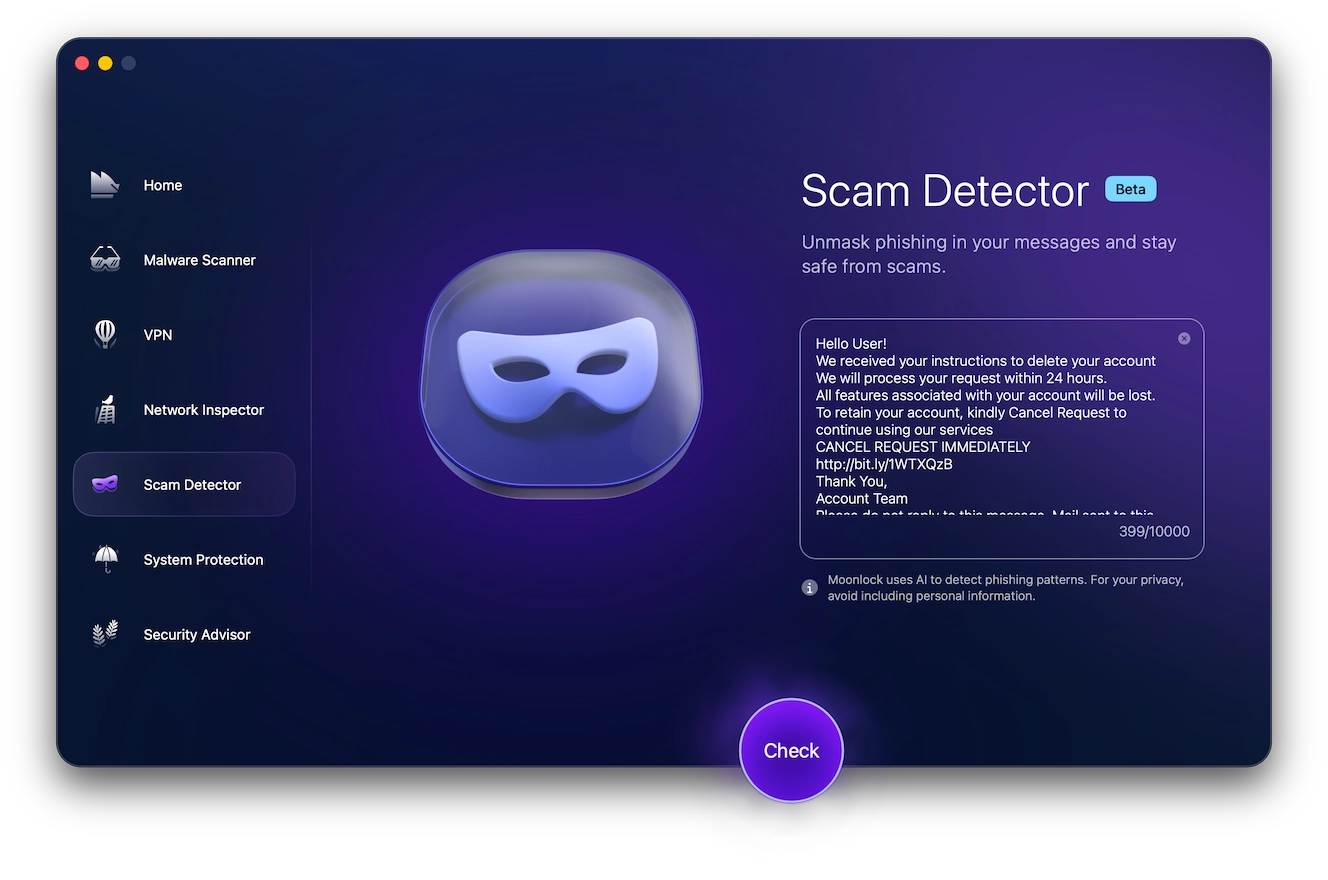
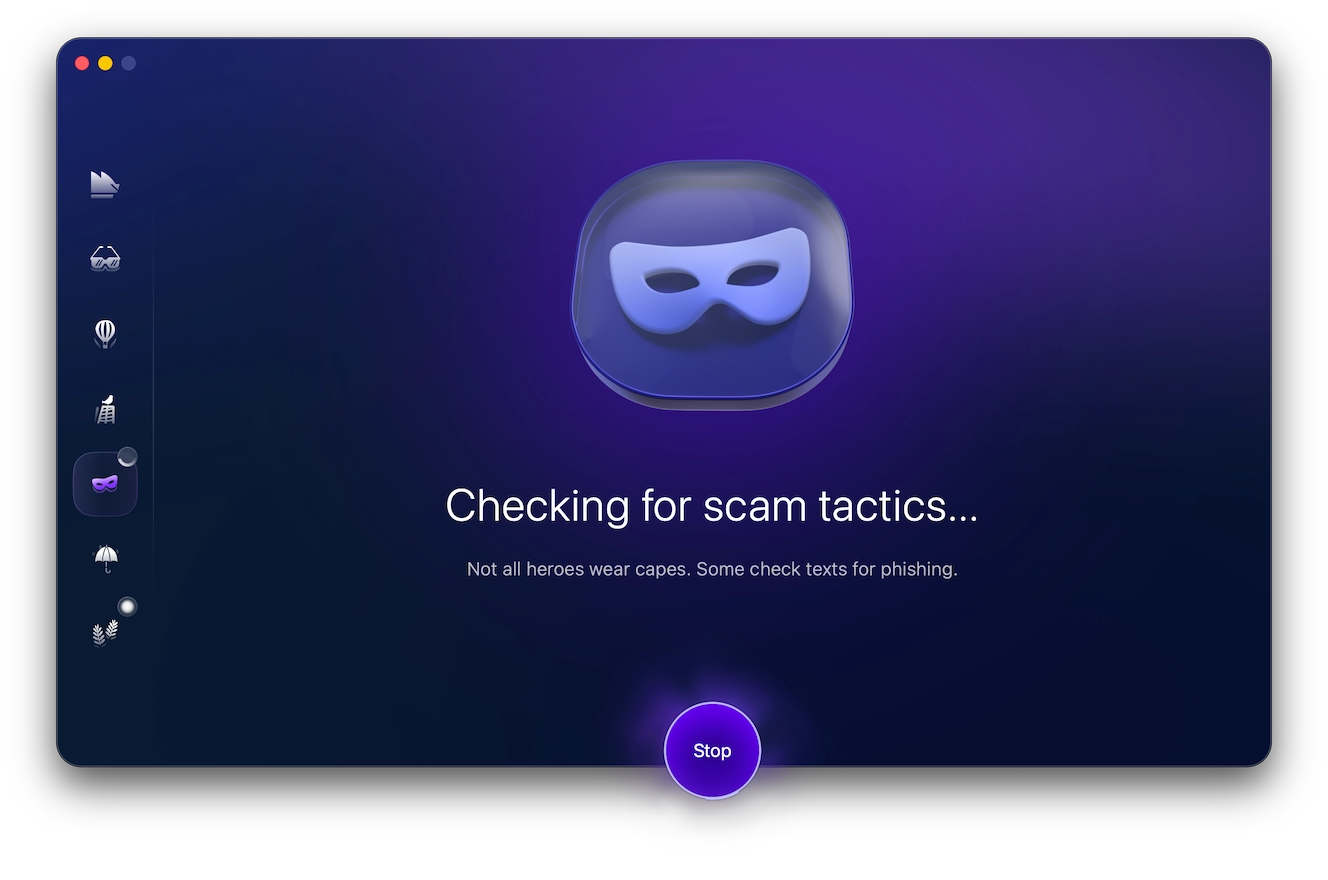
Before engaging with any suspicious message, run it through Moonlock’s Scam Detector to help determine whether it’s a scam or not:
- Sign up for a 7-day free trial of Moonlock.
- Open Moonlock, then navigate to Scam Detector from the left-hand sidebar.
- Copy and paste the message into the Scam Detector.
- Click Check.
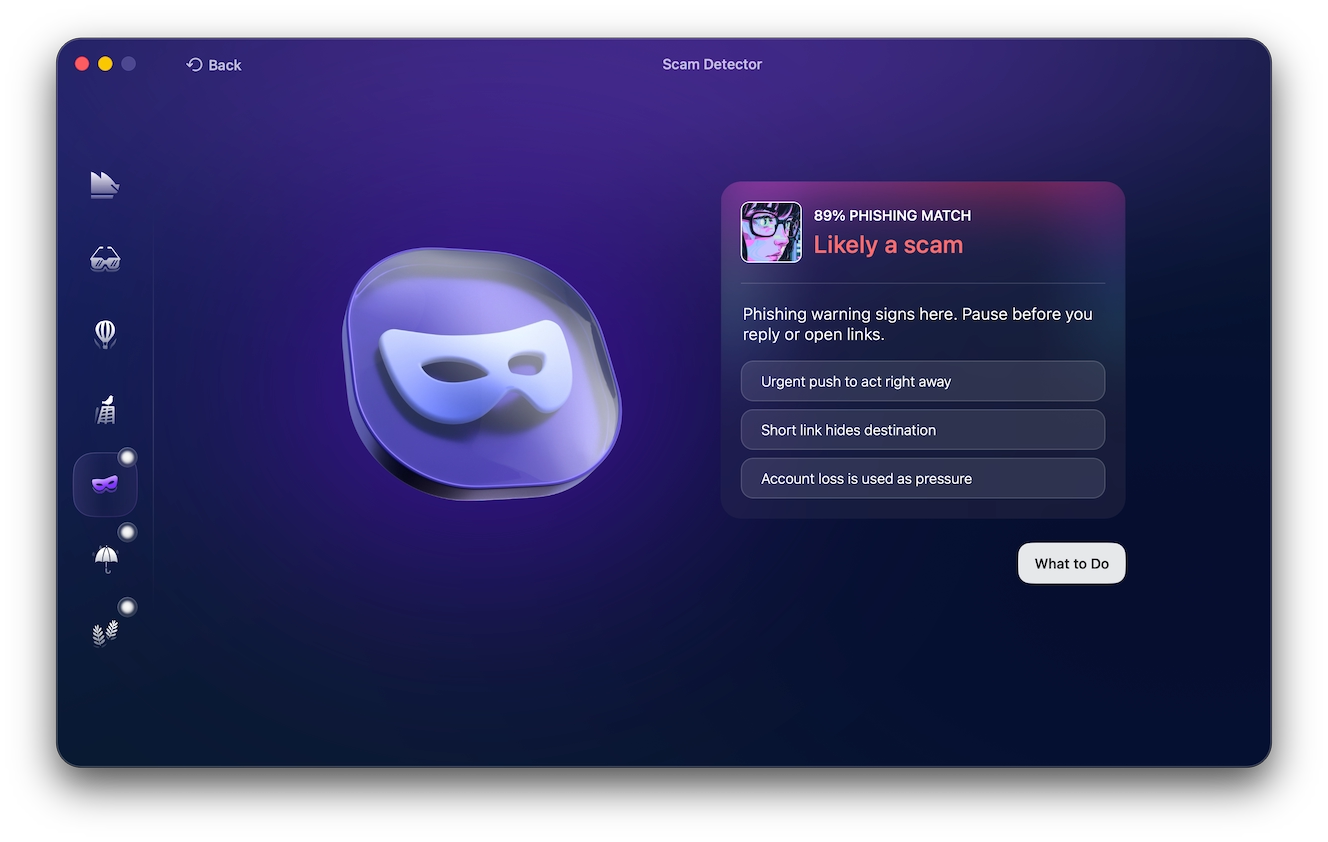
If the message is likely associated with a scam, Moonlock will warn you against replying and will provide you with advice on how to stay safe.
Government impersonation scams
Scammers often pose as authority figures, like the IRS, Social Security Administration, or the police, claiming you owe fines. They create a sense of urgency and panic, only to then demand that you pay using a gift card, usually Apple, Google Play, or Target.
Legitimate government agencies will never request payment through gift cards. In other words, this is always a scam.
Tech support scams
Scammers are no strangers to impersonating Apple, Microsoft, or an antivirus company’s support agent, claiming your device is infected. They typically demand payment through gift cards, asking you to send them the card’s number and PIN.
Family emergency fraud
With the help of AI, scammers can more convincingly impersonate friends or family members. And it’s not just their accounts. They can generate entire audio or video conversations using a person’s voice and likeness. They then use this to trick victims into sending emergency funds, often in the form of gift cards.
One notable instance happened in 2025, when police in Lawrence, Kansas, got involved after an AI-cloned voice convinced a woman that her mother was being held hostage for ransom. For unusual requests, even ones that come through video or voice calls, develop a code word or security question to establish that the person you’re talking to isn’t an impersonating scammer.
Boss and employer gift card scams
It’s not just family members; scammers are also known to impersonate managers and high-level executives in companies, enabling them to trick employees into sending payment via gift card to a “client.”
Romance scams
Scammers are willing to spend time building rapport and trust through data or social media apps. They then begin to invent elaborate emergencies as reasons why you should send them a high-value gift card. Once the codes are shared, the scammer usually disappears, and the money is unrecoverable.
Fake prize, sweepstakes, and lottery scams
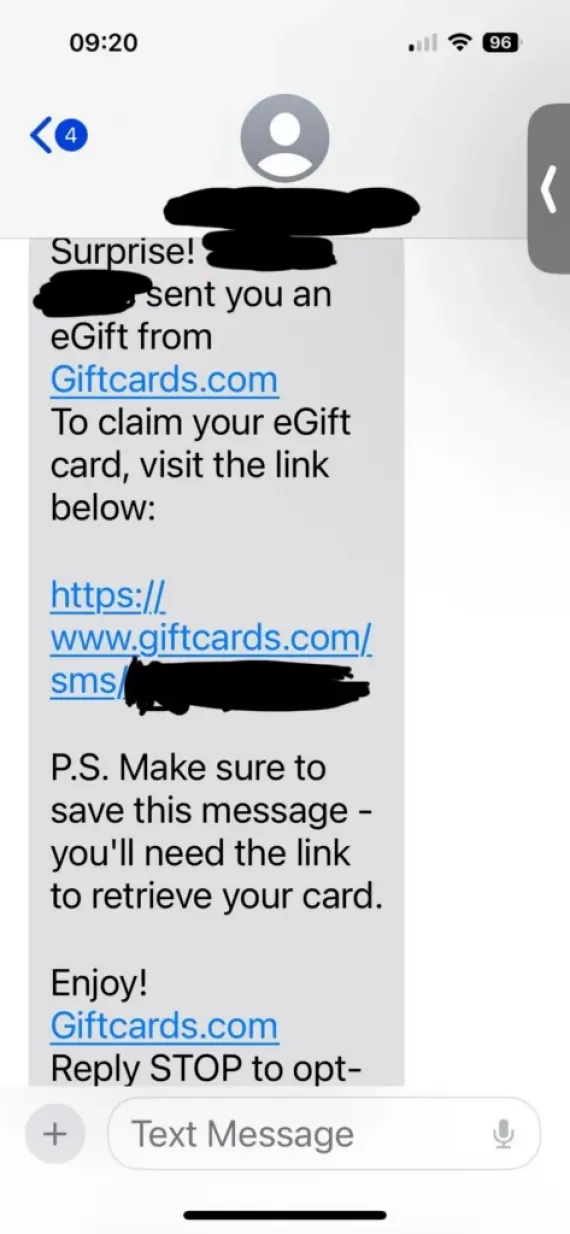
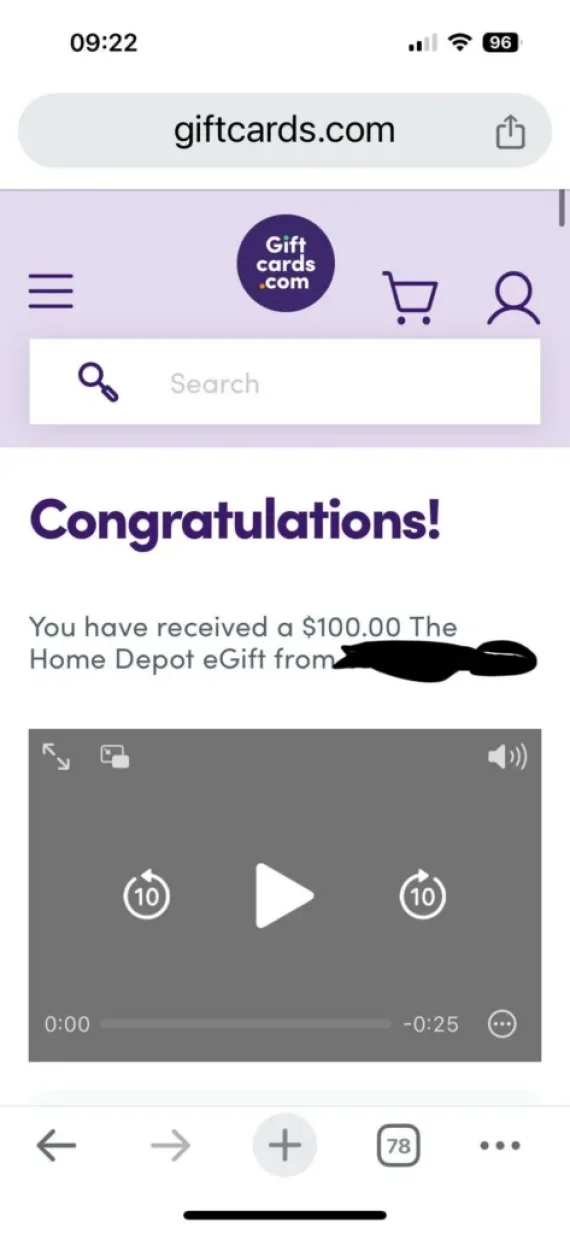
In some scams, victims are told via text message, DM, or email that they have won a cash prize, but they must pay taxes or processing fees before the money can be released. The scammers will ask for this amount to be paid using gift cards, usually worth a fraction of the prize’s value.
Utility shutoff fraud
Scammers may impersonate electricity, gas, or water providers, contacting you about an overdue bill and threatening to cut off service. Always contact your utility provider through an official channel to verify the claim, and this may seem obvious, but never send them money via gift cards.
Online marketplace and overpayment scams
A sign of fake listings on resale sites or Amazon is that they demand payment exclusively by gift cards. Similarly, in overpayment scams, a scammer poses as a buyer on resale sites like eBay and “accidentally” overpays for an item. They then ask the seller to send them the difference using gift cards. The initial payment is fraudulent and will eventually bounce, leaving you out of money for the gift card.
Fake job offer scams
Scammers often pose as recruiters, promising remote work for generous pay, then request Amazon or Apple gift cards as payment for equipment and training. Legitimate employers will never ask you to pay at any point in the hiring process. This is a scam.
Blackmail scams
Usually an extension of a romance or phishing scheme, a blackmail scam involves a scammer threatening to expose private information or photographs unless you pay them with gift cards. It’s crucial that you do not respond to their demands. Instead, save all the evidence you can and report the scam at ReportFraud.ftc.gov and notify the local police of the extortion.
Red flags of a gift card scam
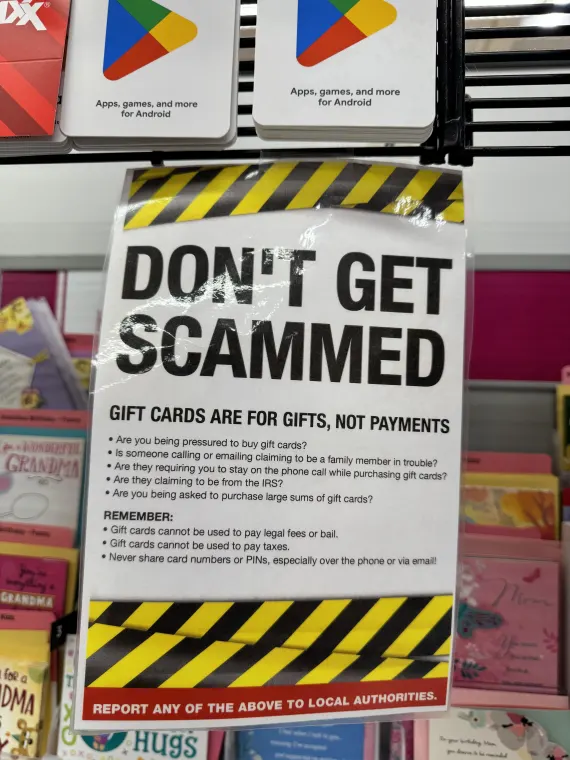
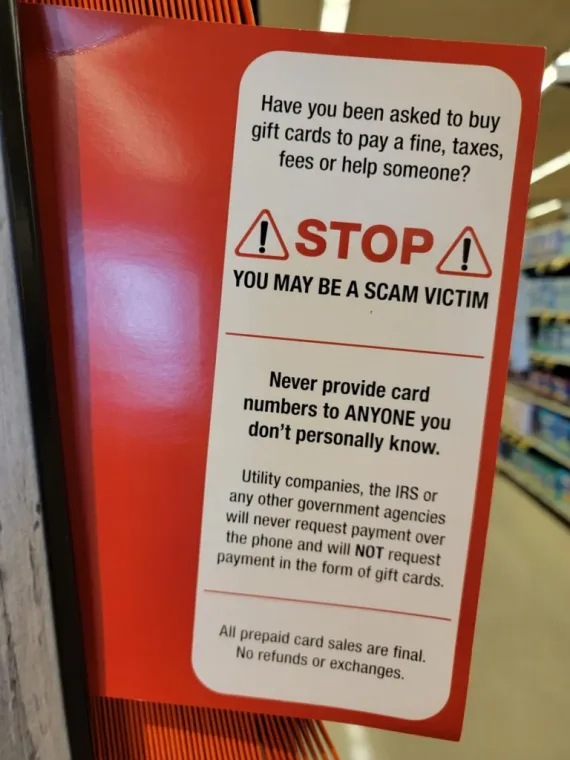
While not all gift card scams are easy to notice, there are a few warning signs you should keep an eye out for:
- Unexpected contact: The scammer contacts you first, claiming to be a company, official, or relative.
- Manufactured urgency: They push and threaten you to send the gift card payment as quickly as possible.
- Highly specific instructions: They only want a specific brand of gift card or insist that you only buy them from a specific store.
- Stay-on-the-phone demands: Many scammers monitor you while you purchase the gift cards to ensure that you don’t ask any questions or alert anyone else to what’s going on.
- Requesting the code over the phone: They don’t ask you to send the physical cards. Instead, they want the PINs and/or card numbers.
Before engaging with a potential scammer, always run the message through Moonlock’s Scam Detector. This tool will analyze the message for all the most common scam warning signs and help you determine whether a message is authentic or malicious.
Try Moonlock with a 7-day free trial. If it’s likely a scam, Moonlock will warn you against engaging and provide advice on what to do to stay safe.
Organized retail crime and card tampering rings
Online scammers aren’t always individuals looking to make a quick buck. In many cases, they’re a part of organized crime rings. The US Department of Homeland Security’s Homeland Security Investigations (HSI) has been targeting organized retail crime groups that steal and alter gift cards before draining them.
The process of card draining is rather simple, especially for experienced scammers:
- Steal the card from the store.
- Copy the codes or replace the barcodes.
- Resell the card as authentic.
- Monitor the balance until the card is activated.
- Drain the card by buying high-value goods immediately.
- Resell these goods, usually overseas.
The reason for Homeland Security’s involvement is that this threat goes beyond a simple scam. Authorities have linked proceeds from card-draining operations to more serious crimes.
What to do if you’ve been scammed with gift cards
The key to minimizing financial loss is to act quickly. Recovery isn’t always guaranteed, but you can improve your chances. Follow these steps:
- Stop all contact with the scammer.
- Call the gift card issuer and report the fraud, requesting a refund.
- Contact the bank you used to buy the card to dispute the charge.
- Collect evidence by taking screenshots of the conversation and the gift cards.
- Report it to the FTC and local police.
Where can you report a gift card scam?
Report the gift card as quickly as possible to the following parties:
- The gift card issuer
- The FTC
- The FBI’s IC3
- The local police
Gift card fraud FAQs
To help you stay on top of gift card scams, here are answers to some of the most common questions.
Stop contact, save evidence, and report the gift card to the issues immediately.
Possibly. If you contact the issuer immediately or if the balance remains unused, you might be able to get a refund for the gift card.
Check the packaging for damage or exposed PINs. Check the barcode for stickers or inconsistencies in print, especially anything that looks different from other gift cards in the store.
How can you protect yourself from gift card scams?
Treat any unexpected gift card requests as suspicious by default. Here’s what you can also do:
- Verify the person independently, whether they’re a company or a government official.
- Never share codes with anyone. The PIN of a gift card is equivalent to cash.
- Inspect cards at the store for signs of tampering.
- Ignore pressure and manufactured urgency.
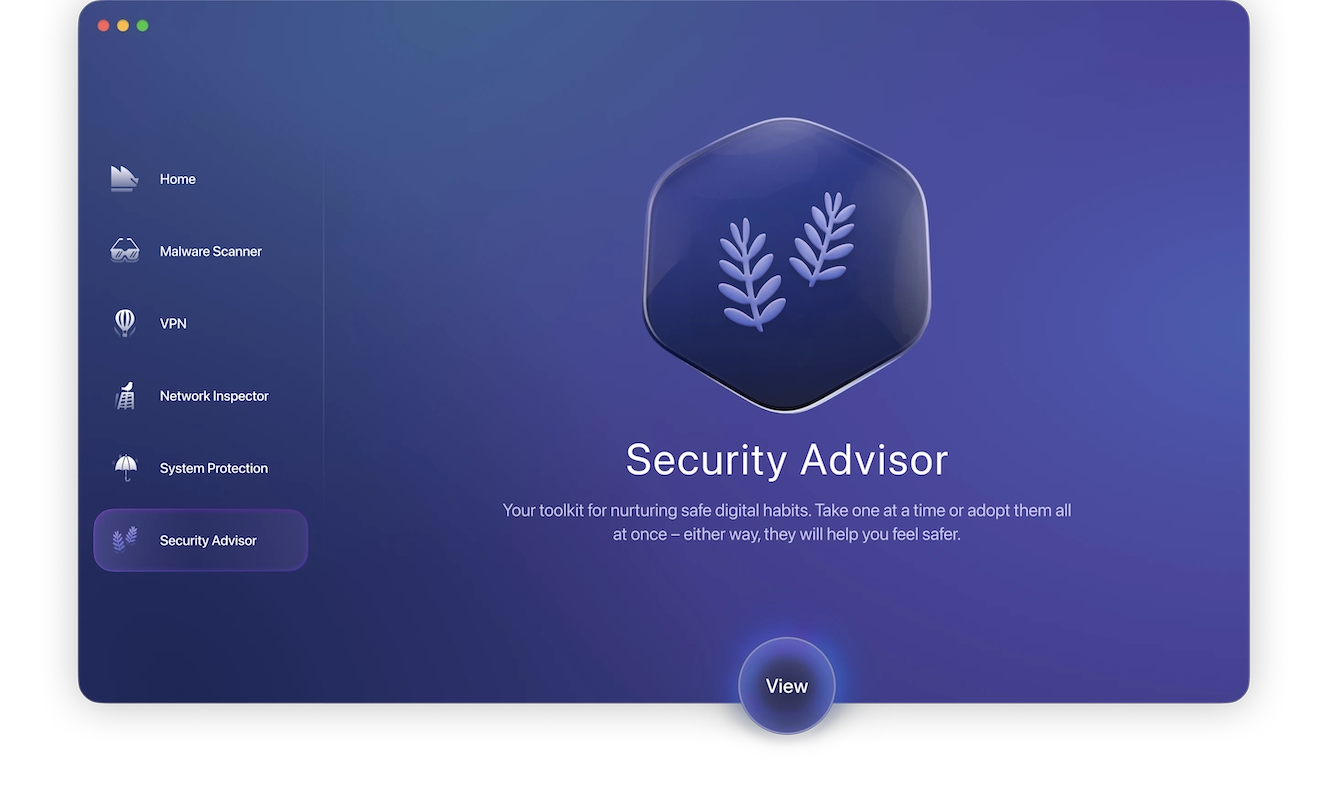
- Use Moonlock Security Advisor’s recommendations to strengthen your device and account security.
Gift card scams work through the social engineering tricks used to create a sense of urgency and secrecy. Fortunately, with a little knowledge and vigilance, you can stay safe from gift card fraud. No matter what excuse a scammer gives, always verify their identity and report suspicious behavior before engaging.