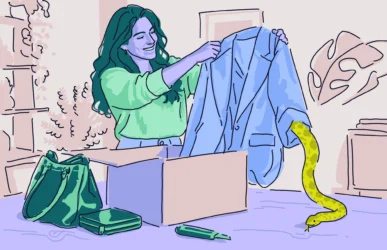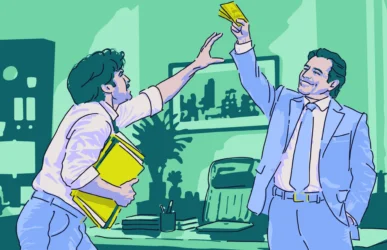
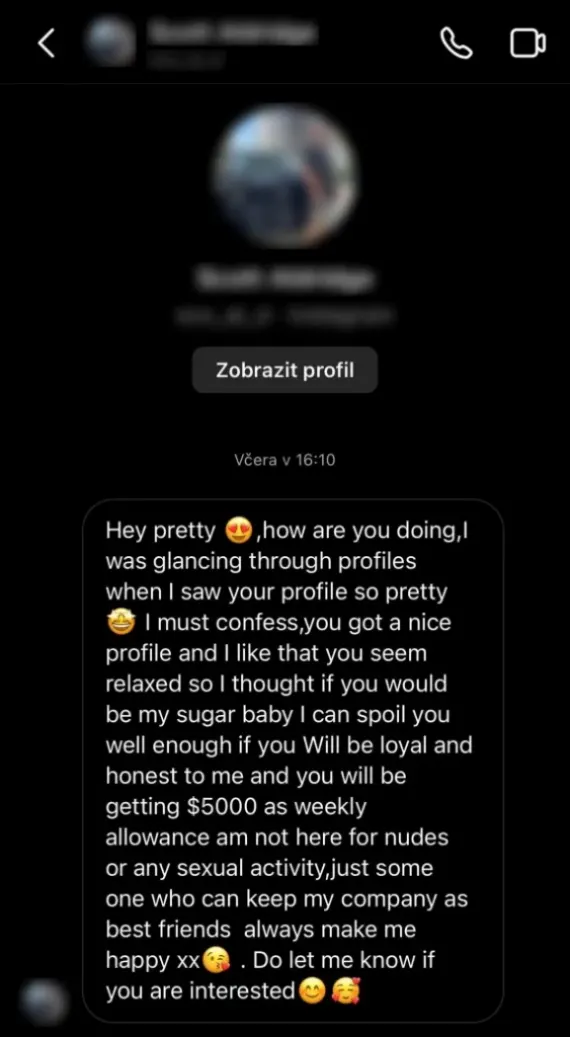
You’re on Instagram or Snapchat, minding your own business, when you get a DM from a stranger offering to become your sugar daddy. They promise you a generous allowance in exchange for very little in return, but somehow, you end up being the one sending them money.
This is a typical sugar daddy scam, a type of romance scam that has caused a reported $1.14 billion in losses in 2023, with the average victim losing around $2,000. In this guide, we’ll help you spot a sugar daddy scam and avoid it before it’s too late.
So, what are sugar daddy scams?
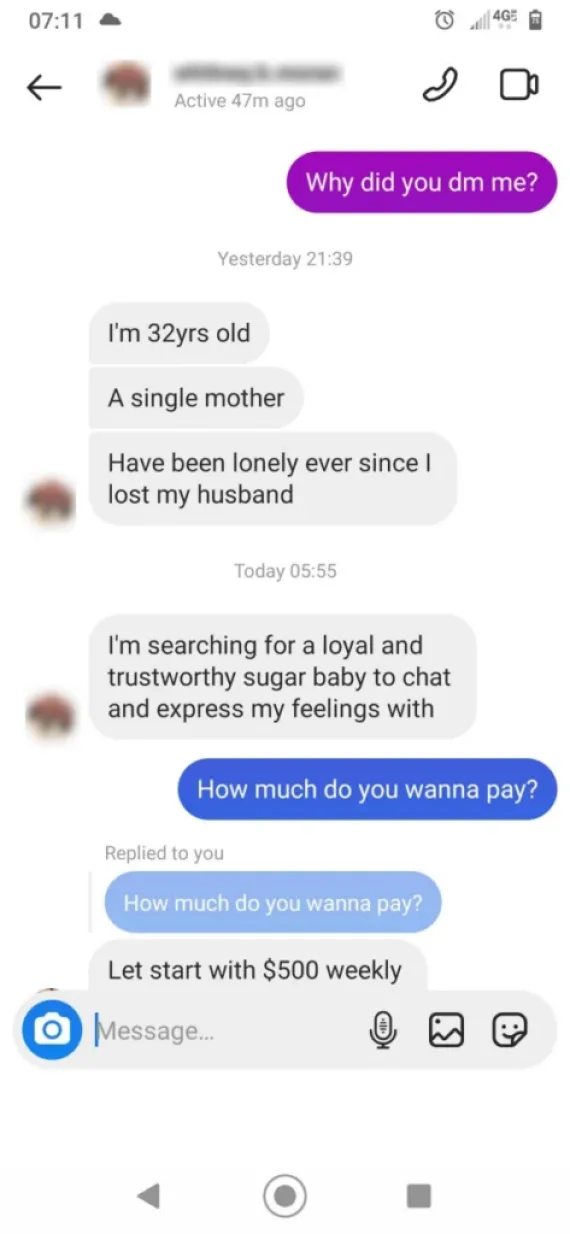
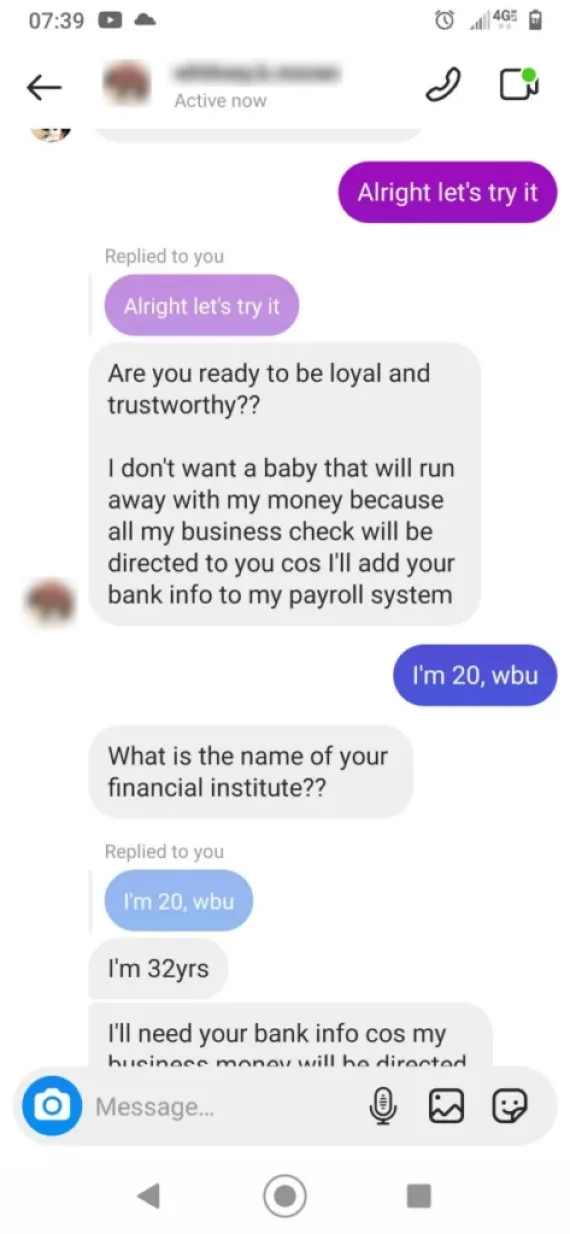
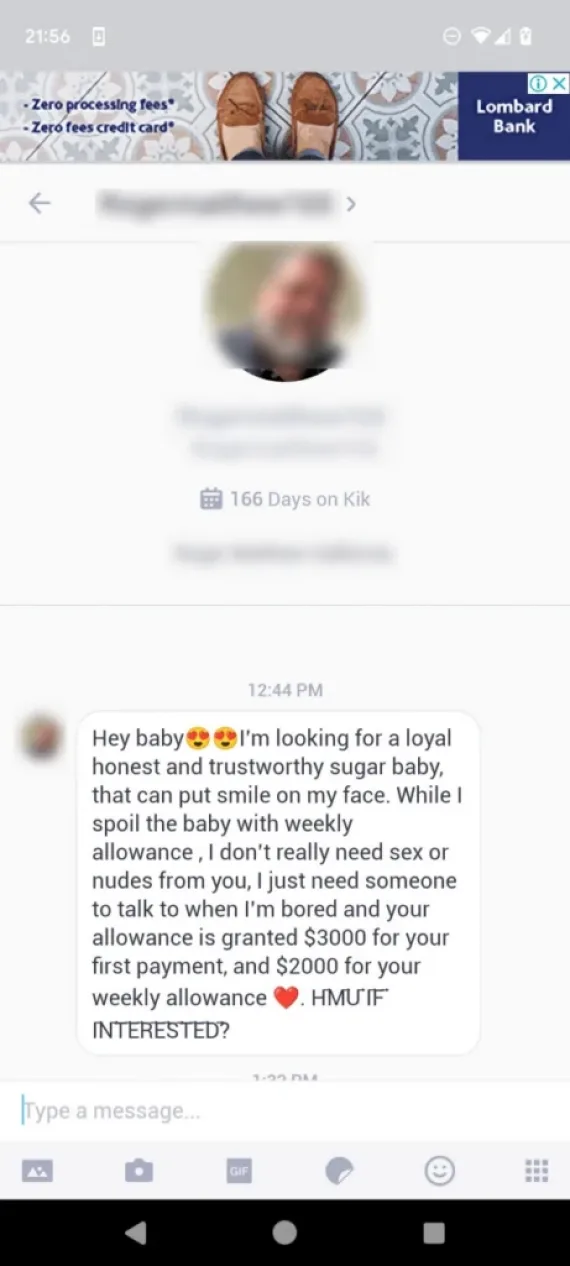
Sugar daddy scams are financial or identity-fraud schemes disguised as paid companionship. A fake sugar daddy (or sugar mommy/sugar mama) targets a younger person on social media, promising an allowance and generous gifts in exchange for online or in-person companionship. In reality, this person ends up scamming the victim for banking details or “processing fees.”
In the reverse version, fake sugar baby scammers manipulate older targets, often using stolen or AI-generated images, to convince them to send money before disappearing.
How sugar daddy and sugar baby scams work
While the scammers involved in these schemes can get creative, they typically follow a predictable pattern:
- Contact: A stranger reaches out first to you with offers of money or companionship.
- Building trust: They flatter you and promise you regular payments or communication.
- Payment: They send you a fake “proof of payment” or a fraudulent bank check.
- Demand: They request some fees or payments, usually through gift cards or crypto.
- Disappearance: As soon as they get your money or information, they vanish.
Red flags: how to spot a fake sugar daddy or sugar baby
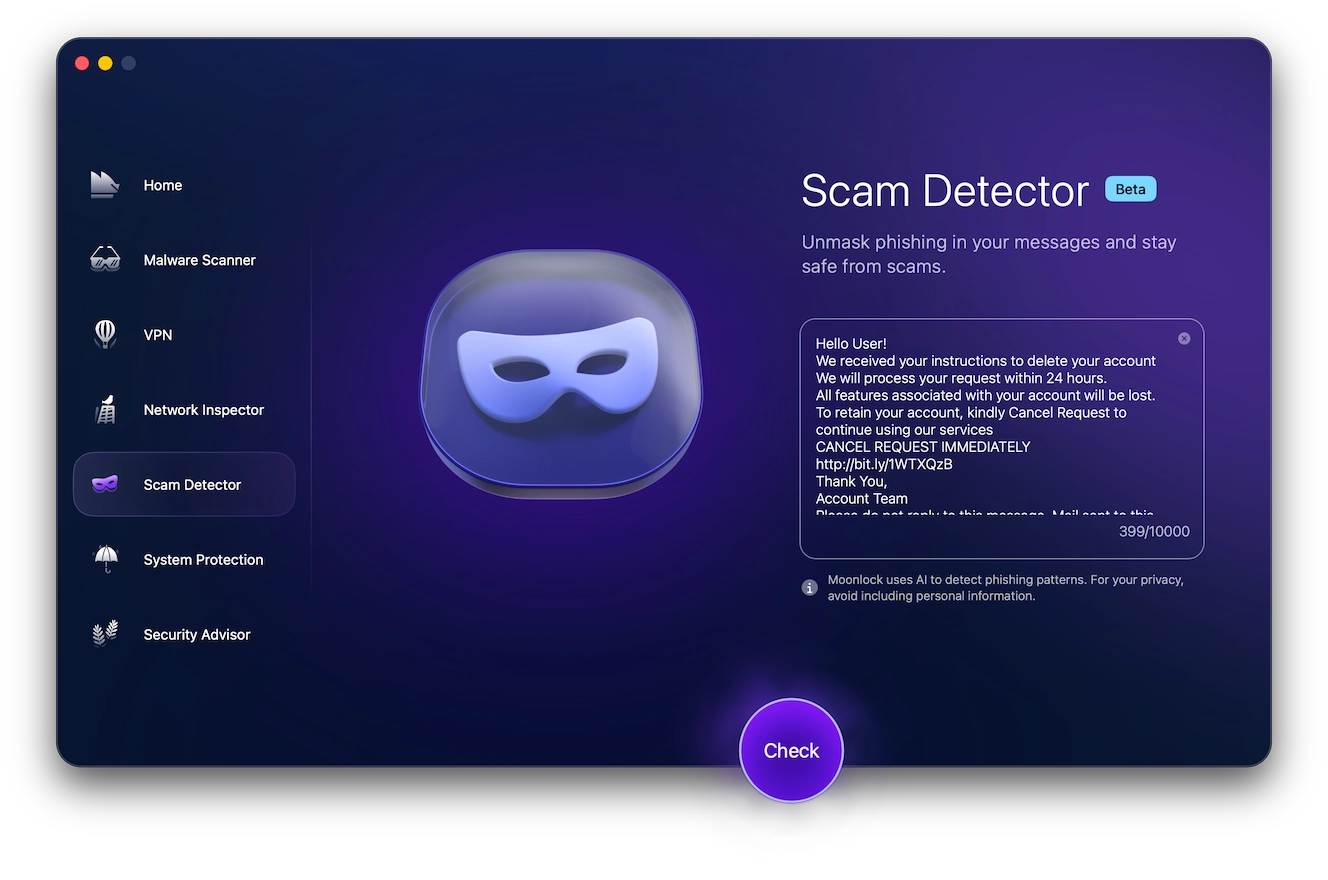
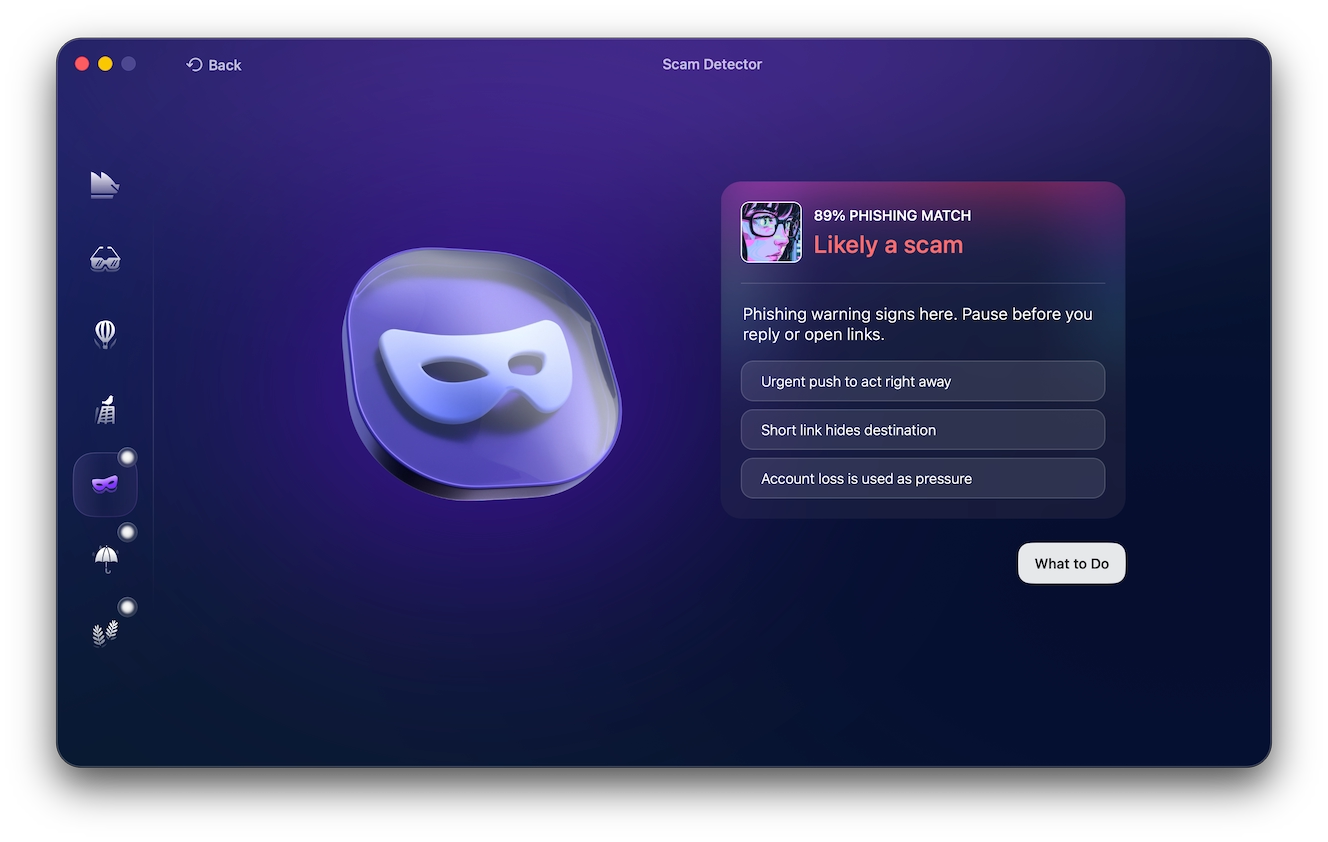
Even skilled scammers tend to expose themselves by being too demanding and rushing their victims. Moonlock uses known red flags to determine whether a message is likely to be a scam or not.
Here’s how you use it:
- Open Moonlock, then click on Scam Detector from the left-hand sidebar.
- Copy and paste the suspicious message into the Scam Detector.
- Click Check.
If the Scam Detector determines that the message is likely malicious, it’ll immediately warn you and give you steps on what to do next. You can try it with a 7-day free trial of Moonlock.
You can better identify a scam by keeping an eye out for the following red flags:
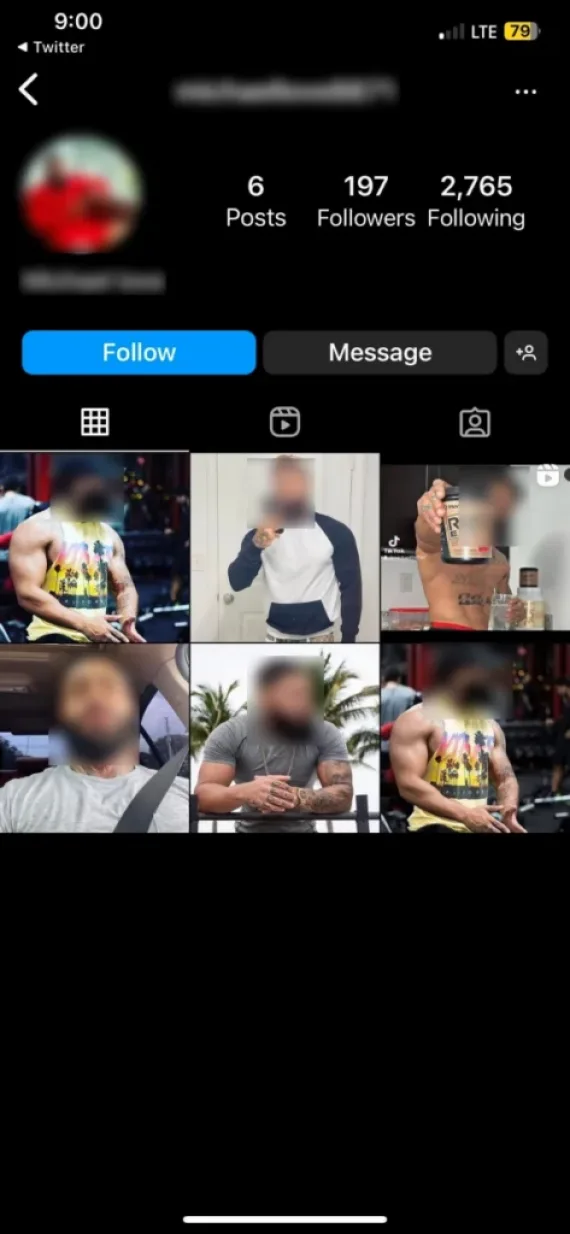
- Sparse or recent sender profile
- Requests to switch the conversation to WhatsApp or Telegram
- Refusing to video chat or meet in person
- Rushing the relationship with an excess of affection
- Unrealistic promises of allowances and gifts
- Requests for money through gift cards or crypto
- Pressuring you to act immediately
Common types of sugar daddy scams
Sugar daddy scams take several forms. It’s important to be familiar with more than one of them so you can identify multiple varieties if they ever target you.
Gift cards
The scammer asks for payment through Google Play, Amazon, Apple, or Steam gift cards. For example, in a sugar daddy Amazon card scam, the scammer asks you to send them the code, which they can then redeem. Used gift cards are nonrefundable, and you’ll never be able to get what you spent back.
Cash App
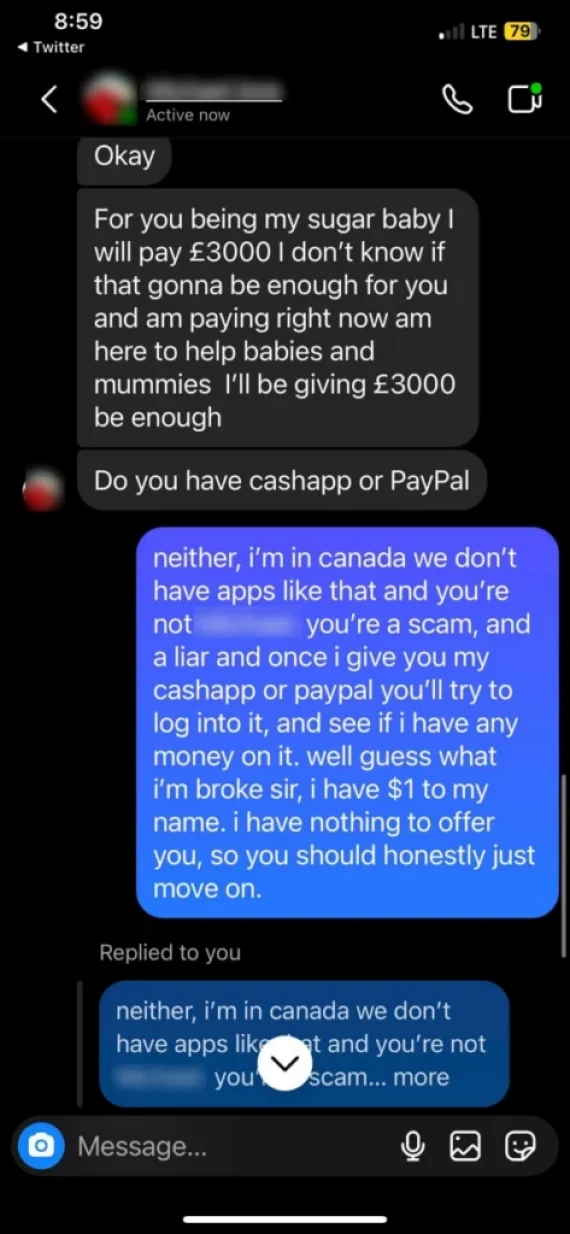
Another common type of sugar daddy scam is the Cash App scam, in which the scammer sends you a legitimate-looking payment notification, then asks you to send a small “activation” fee. Other times, they ask you to return part of what they claim was a fraudulent transfer.
You should never pay to receive money or partially refund payments on Cash App, as these are all non-reversible.
PayPal
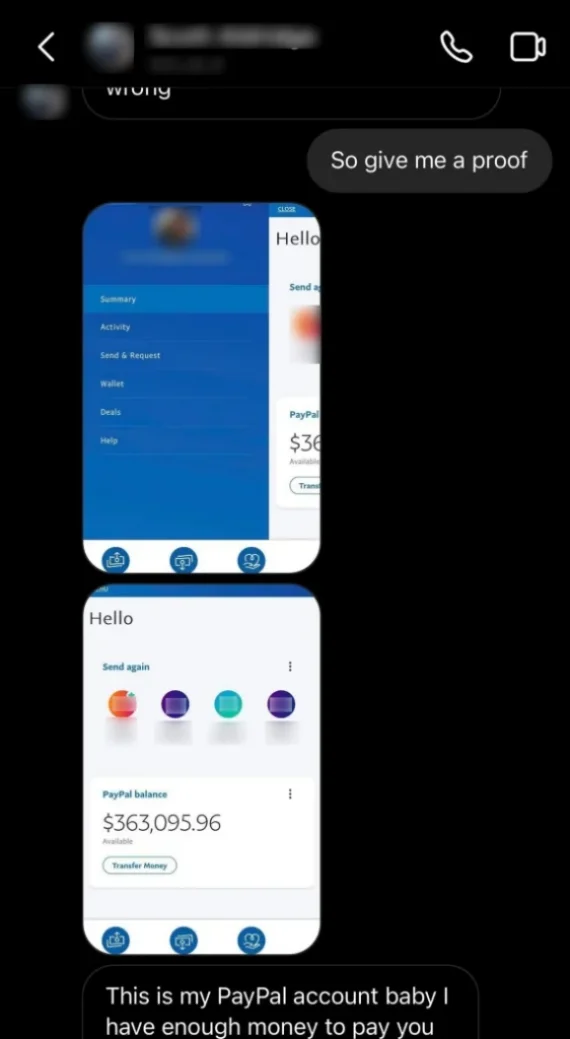
In a PayPal-based sugar daddy scam, the scammer sends a fake payment email that’s made to look as if it came from PayPal. In the email, they claim that you have a pending payment and request a partial refund or an upfront fee.
To stay safe, make sure you verify any payments inside your PayPal account and don’t ever take emails or screenshots as proof of payment.
Venmo
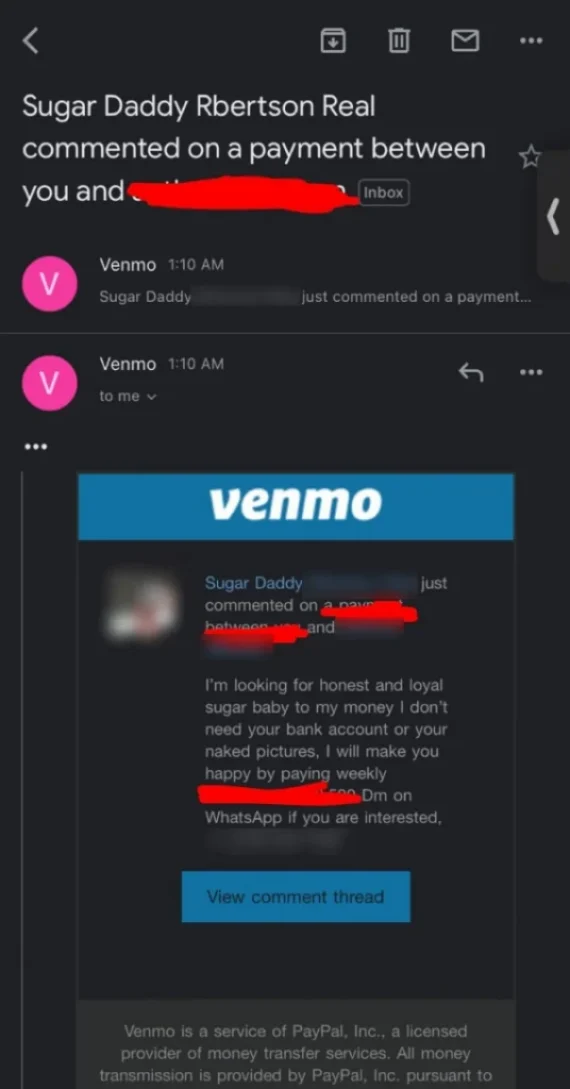
With sugar daddy Venmo scams, the scammer may use stolen funds or false payment details to send a “fake” payment or demand a fee before releasing your money.
Double-check any Venmo notifications directly through the Venmo app, and never return any unexpected payments before checking Venmo’s support process.
Phishing links or attachments containing malware
Instead of directly asking for money, scammers might send phishing links designed to steal your credentials or install malware on your device.
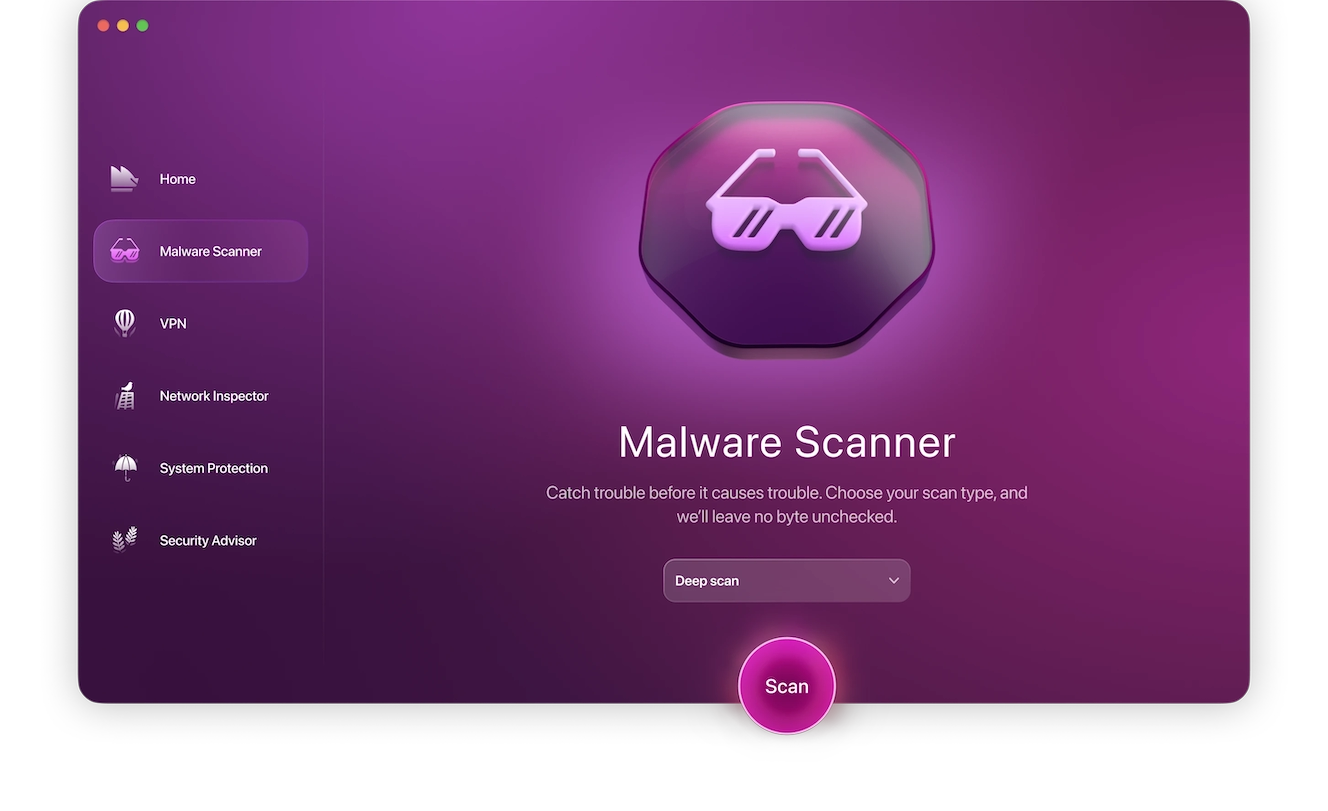
If you click on a link or download an attachment from a stranger, you need to scan your device with Moonlock to detect any hidden malware or spyware. Here’s how to do it:
- Start your free trial.
- Open Moonlock, then navigate to Malware Scanner from the left-hand sidebar.
- From the drop-down menu for the scan type, select Deep.
- Click Scan.
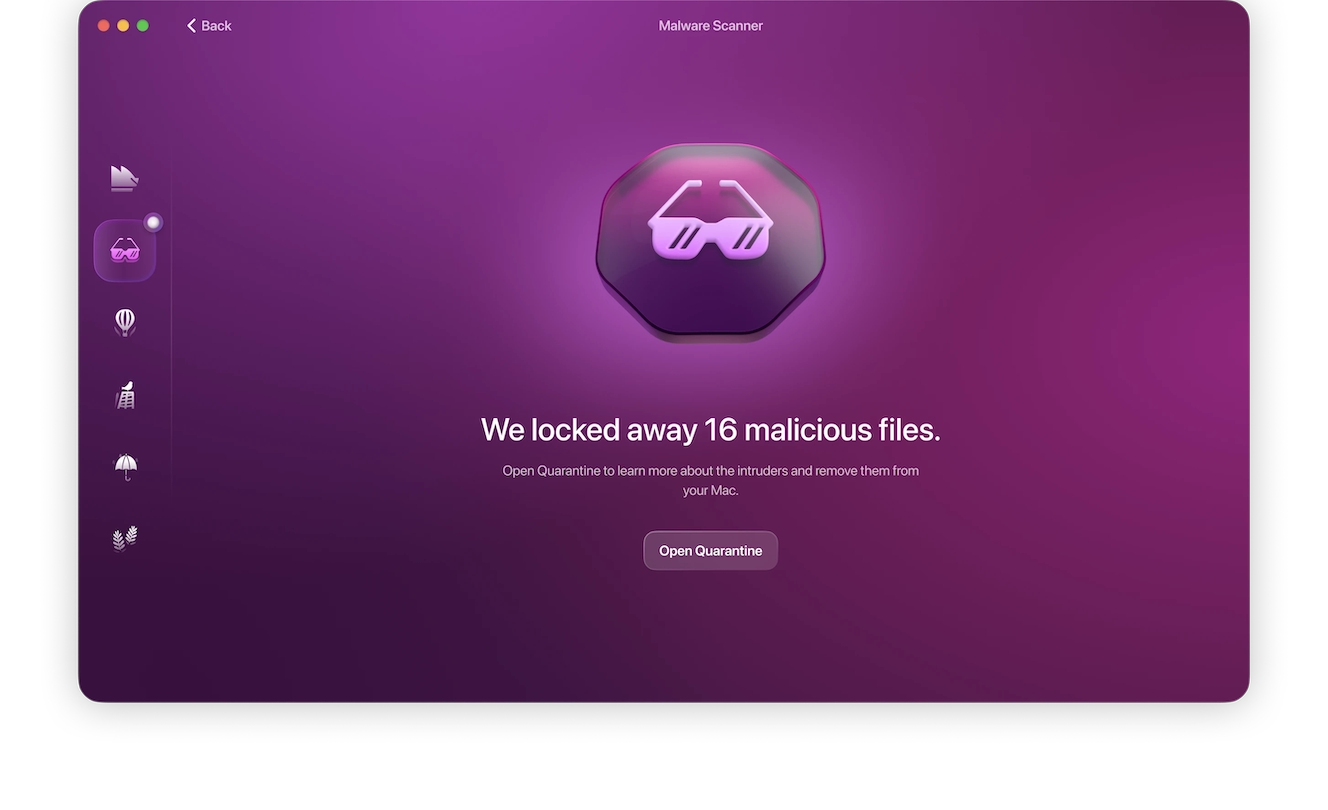
Moonlock will methodically search through your device, quarantining anything suspicious that it finds to prevent it from further damaging your device.
Cryptocurrency
Some scammers skip typical payment platforms and simply request that you pay with crypto. Crypto payments are particularly dangerous because they’re completely anonymous and untraceable.
The scammer might use being in a different country as an excuse to use crypto instead of platforms with reversible payments. This isn’t the same as a crypto “investment” scam, in which they show you fake proof of profit and demand a fee or tax to release it.
Fake checks/mobile deposits
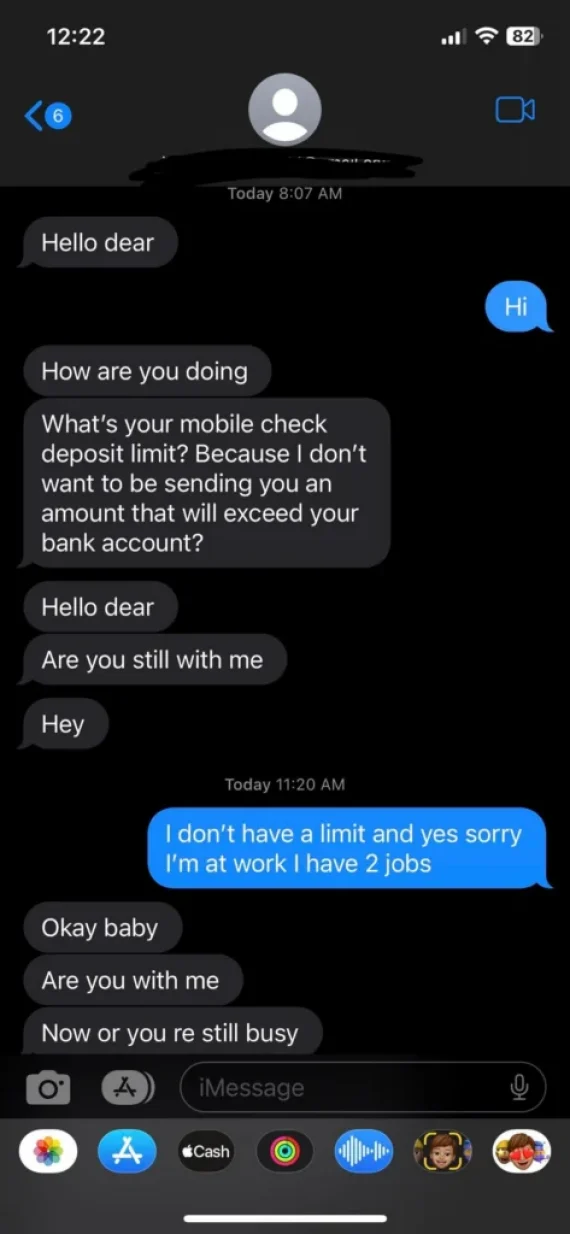
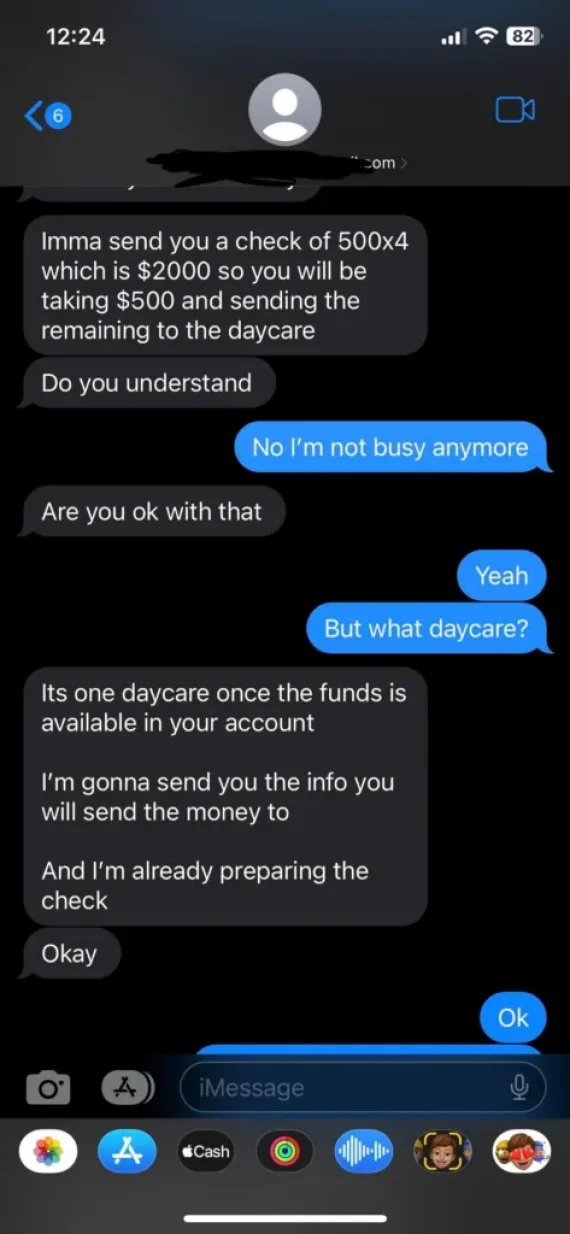
In some cases, a scammer will send a fake check or a phony notification of a bank deposit, then ask you to return the money through Zelle. This is a particularly tricky variety of scam, because your bank might make the funds temporarily available in your account before it verifies their credibility.
Account access requests
Scammers don’t always target your money. They sometimes try to get their hands on your login credentials or verification codes by claiming account access is needed to “set up payments.” Sharing these details, however, can enable them to take over your bank account or personal email.
Where do sugar daddy scams happen?
Sugar daddy scammers aren’t exclusive to 1 or 2 online platforms. Anywhere scammers can reach users through private messages and build trust, they can attack:
- Tinder, Grindr, and Bumble: Dating apps come with the expectation of building a romantic or sexual relationship. These are perfect places for sugar daddy scammers to do business because it doesn’t stand out when they try to solicit a 2-way relationship.
- Instagram: With public profiles and plenty of pictures, many people meet organically through Instagram, so sugar daddy DMs fit right in.
- Snapchat: The platform’s disappearing messaging limits evidence, making Snapchat highly appealing to all sorts of attackers, including sugar daddy scammers.
- TikTok: Sugar daddy scammers prefer TikTok because of its younger and less knowledgeable user base. Sugar baby scams on TikTok work the same way as those on other platforms.
- Discord: Thanks to private servers and easily deletable messages, Discord servers make for the perfect environment for scams and phishing.
- Facebook: On Facebook, there are a variety of ways scammers can target their victims, whether it’s through Private Groups, Marketplace, or direct messages.
Why some scammers send money first
Scammers often send money first to establish trust. However, more often than not, the payment is made through a stolen account before asking you to refund or forward part of it. If it’s the latter, you might unknowingly become a money mule, leaving you liable when the fraudulent transfer is eventually reversed by the bank or financial platform.
It’s crucial that you don’t move any unexpected funds coming into your bank, PayPal, Venmo, or any other account before verifying their validity with the financial service provider.
What to do if you’ve been scammed by a fake sugar daddy
To prevent major financial losses and keep your accounts safe, you need to act quickly after falling for a sugar daddy scam:
- Stop all contact: Block and report the scammer’s account. Don’t send them any more messages, money, codes, or personal information, even if they attempt to blackmail you.
- Save evidence: Take screenshots of your conversation and keep usernames, profile links, emails, phone numbers, and payment records. These can be useful in a later investigation.
- Contact your bank or payment platform: Immediately report the fraudulent payment and ask whether the transfer or check can be stopped or disputed.
- Secure your accounts: Change the passwords of any accounts involved in the scam and enable 2-factor authentication. To be safe, terminate any live sessions you don’t recognize and double-check your recovery details.
- File an official report: Report the scam to the FTC and the FBI’s Internet Crime Complaint Center (IC3). Contact your local police department if money or identity information was stolen.
Watch out for recovery scams
Coming out of a sugar daddy scam, you might find yourself particularly vulnerable to recovery scams, in which fraudsters pose as investigators and refund specialists, claiming to be able to recover your money for you.
They typically demand an upfront fee, usually in crypto, via wire transfer, or with gift cards, only to disappear after receiving the payment. Legitimate agents don’t guarantee recovery or charge you to file a report. The only sources you should contact for help following a sugar daddy scam are your bank, the police, the FBI, or the FTC.
When a sugar daddy scam involves threats or blackmail
Never negotiate with the scammer. After discovering the scam, refrain from paying them, even if they threaten you. Instead, take the following steps:
- Save the messages, usernames, threats, and payment records.
- Block and report the scammer.
- Secure any potentially compromised accounts.
- Contact the local police.
- Report the extortion attempt to the IC3.
Answers to common sugar daddy fraud questions
To answer some questions you might have regarding sugar daddy scams online, you should start with the following list.
Some sugar daddy/baby arrangements are genuine, but unsolicited offers involving generous gifts and allowances are strong scam indicators.
Your chances of recovery will depend on the payment method and how quickly you reported it. Contact your bank or payment platform immediately and dispute the transaction. Gift cards and crypto are never reversible.
Gift cards are fast, impossible to trace, and irreversible after the codes have been redeemed, making them ideal for scammers.
No. Fake checks appear available temporarily in your account before they bounce, leaving you responsible for the money already withdrawn or transferred from your account.
Yes. Sugar daddy scammers don’t always aim for money. They also collect personal information, login codes, and private images, enabling them to commit identity fraud later on.
There are no 100% safe payment methods for sending money to strangers. That said, avoid checks, gift cards, crypto, and off-platform transfers in particular.
Verify their identity through live video, consistent details, and public records. If possible, arrange an in-person meetup in a public place. Refusal to verify their identity and requesting money might indicate a scam.
How to avoid a sugar daddy scam before it starts
Treat unsolicited offers through social media as suspicious by default, especially when money or account access is involved.
- Verify the person: Request a live video call and check their social media for consistent details. Check for AI-generated or stolen images.
- Never pay first: Legitimate payments don’t require activation or release fees.
- Protect your accounts: Never share passwords or verification codes.
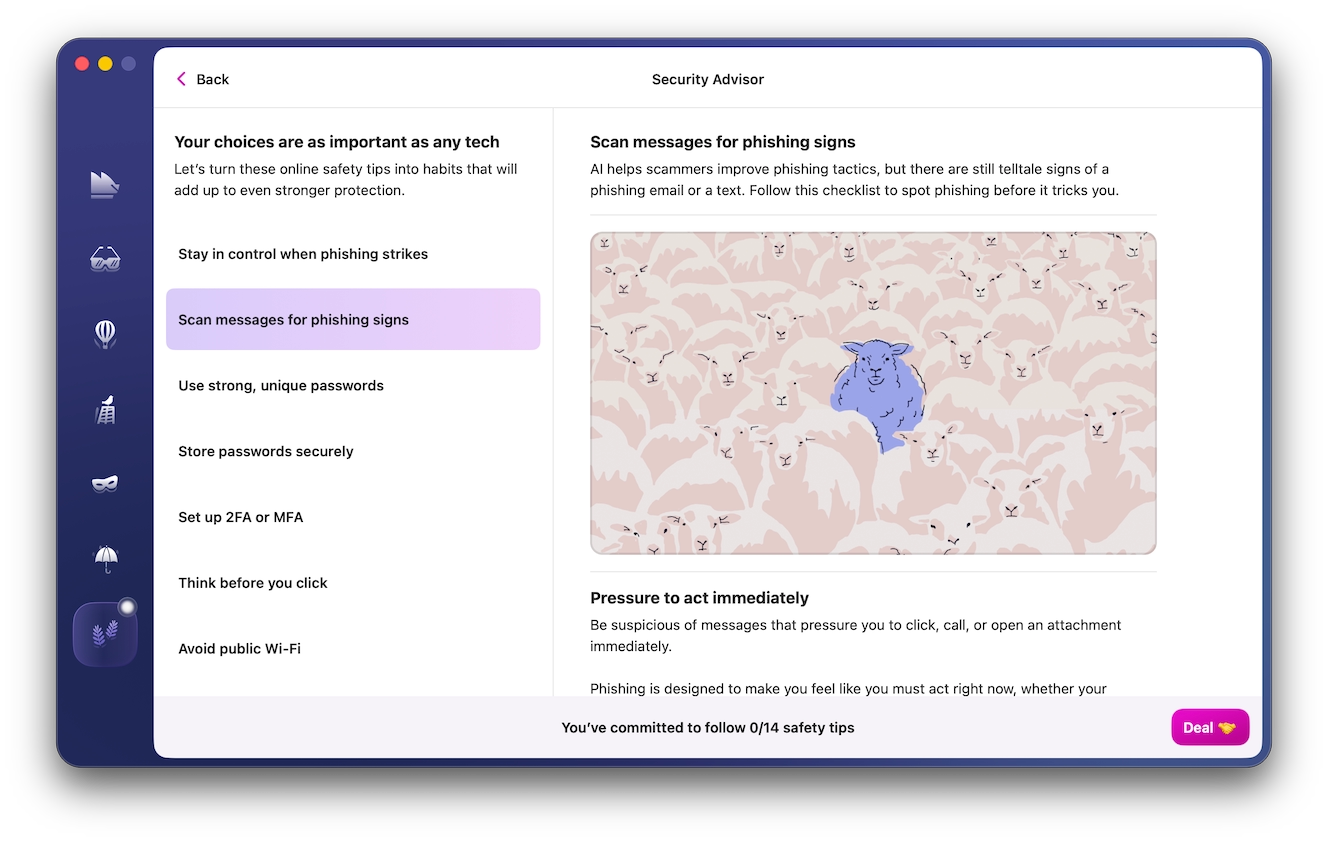
- Practice online hygiene: Use Security Advisor to help you safely navigate the internet and avoid scams and malware.
- Keep the conversation on-platform: If you meet on a dating app, refuse any requests to take the conversation to WhatsApp or Telegram.
Sugar daddy romance scams rely on social engineering tactics to gain a victim’s trust. Before you get dragged into a scam, slow down and verify the details independently. And remember: Never send money to receive money.