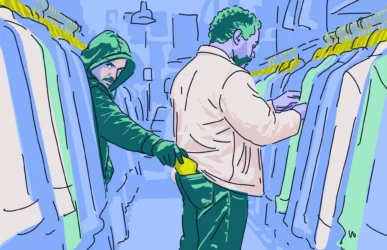



When you find tickets to a sold-out concert, you think you’ve hit the jackpot. The seller says that they can transfer them through Ticketmaster as soon as you pay on a different platform. Their screenshots look convincing, and the price is within reason. But the clock is ticking, and there are other buyers waiting. So, you go for it. After your money is sent, however, the transfer never comes.
This kind of ticket scam is common enough that concert-goers should proceed with caution when making any purchases outside of official ticket marketplaces. In fact, a 2026 report by AOL found that 1 in 10 ticket-buyers fell victim to buying fake tickets within the previous year. In this article, we’ll take a look at common Ticketmaster scams and how to avoid them.
What is Ticketmaster, and how does it work?
Ticketmaster is a ticketing service provider that sells tickets on behalf of event organizers such as venues and promoters. A “standard” or “primary” ticket is one that is being sold for the first time, while a “resale” ticket has already been purchased and is being offered again by a fan or professional reseller.
Tickets purchased through Ticketmaster are tied to the buyer’s account. Depending on the event, they may later be eligible for resale or Ticket Transfer, which lets the owner send a digital ticket to another person.
So, is Ticketmaster legit?
Yes, Ticketmaster is legit. It is an established ticketing marketplace that is used by venues and event organizers to sell primary tickets. It is also a resale system that lets existing ticket holders list eligible tickets for another buyer.
Ticketmaster also keeps eligible digital tickets inside its own account system rather than relying on screenshots or static copies. Its current mobile-ticket technology includes protected barcodes and other features designed to make copied tickets harder to use. However, this doesn’t mean every offer carrying the Ticketmaster name is safe.
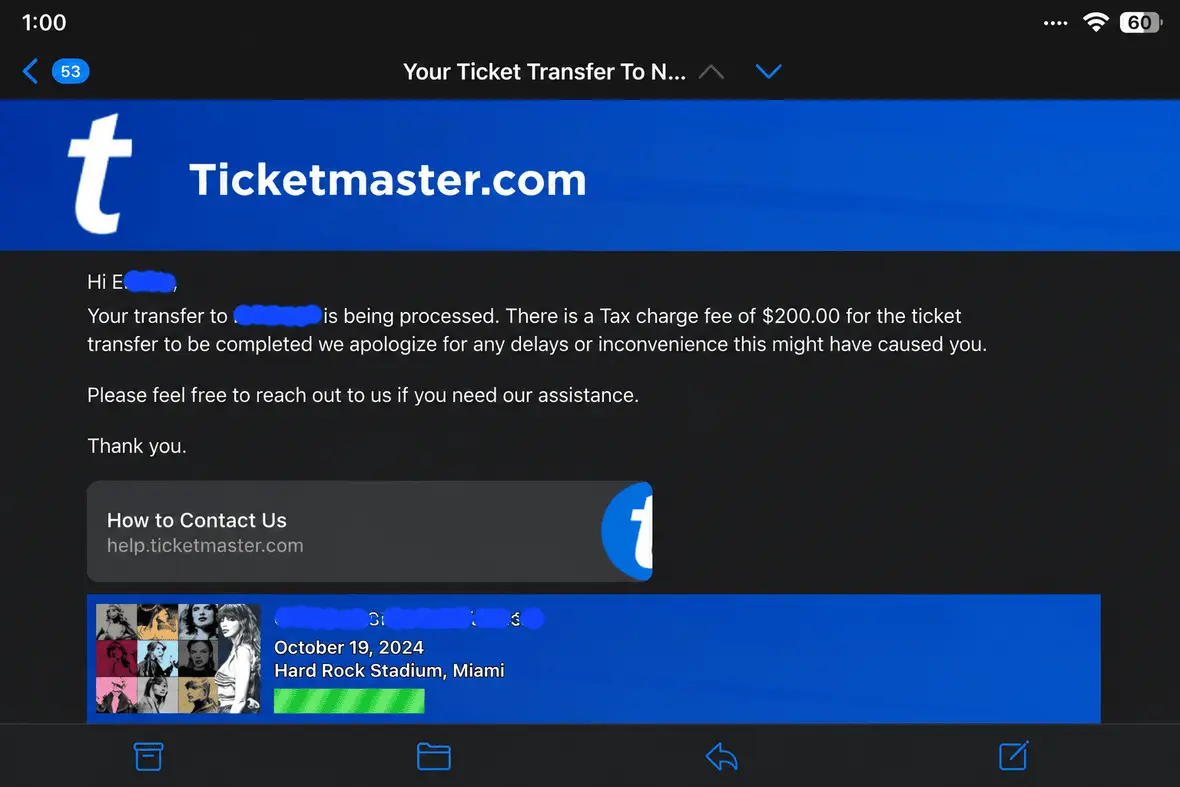
A Ticketmaster scam may involve a fake website. It also might involve a malicious seller on social media or someone impersonating customer support without having any connection to Ticketmaster itself.
Is Ticketmaster resale safe? What “Verified Resale” means
So, is Ticketmaster safe? Ticketmaster says that tickets sold through its marketplace, including its Verified Resale tickets, are legitimate. When an eligible resale ticket is purchased, it stays within the Ticketmaster ecosystem rather than being delivered as an image from the seller.
Ticketmaster’s SafeTix technology adds another layer. Each SafeTix ticket is tied to a fan and refreshes automatically. Ticketmaster also says that newer designs can block screenshots and screen recordings, while device binding helps prevent the same ticket from simply being copied for another buyer.
These protections, however, do not extend to every sale — only those that end with someone transferring a Ticketmaster ticket to another Ticketmaster account. A private seller can use Ticket Transfer after collecting payment elsewhere, but that off-platform payment is separate from Ticketmaster’s resale marketplace.
How to recognize a Ticketmaster scam right away
A suspicious Ticketmaster message can look plausible, even believable. This is because the scammer may copy the company’s branding or create a story around a real ticketed event. Before clicking a link or following payment instructions, consider what the message is asking you to do.
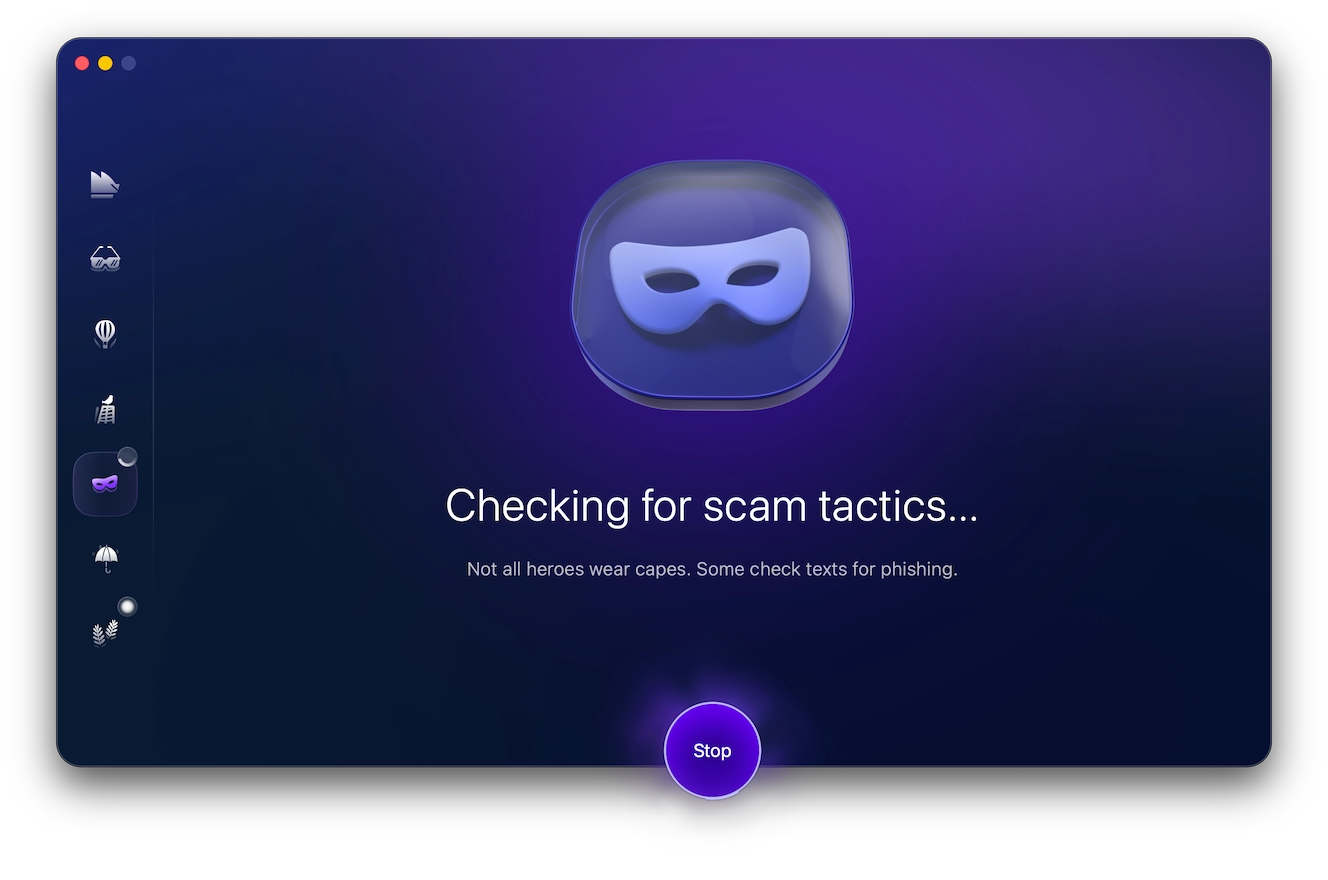
Moonlock’s Scam Detector can provide a second opinion on suspicious messages, links, or screenshots before you respond. This can be useful when an email appears to come from Ticketmaster but is pushing an unfamiliar login page or an unexpected payment request.
This tool is meant to help identify scam signals in the material you receive rather than relying on one visual clue. This is important when it comes to Ticketmaster email scams because even the visible sender information can be manipulated.
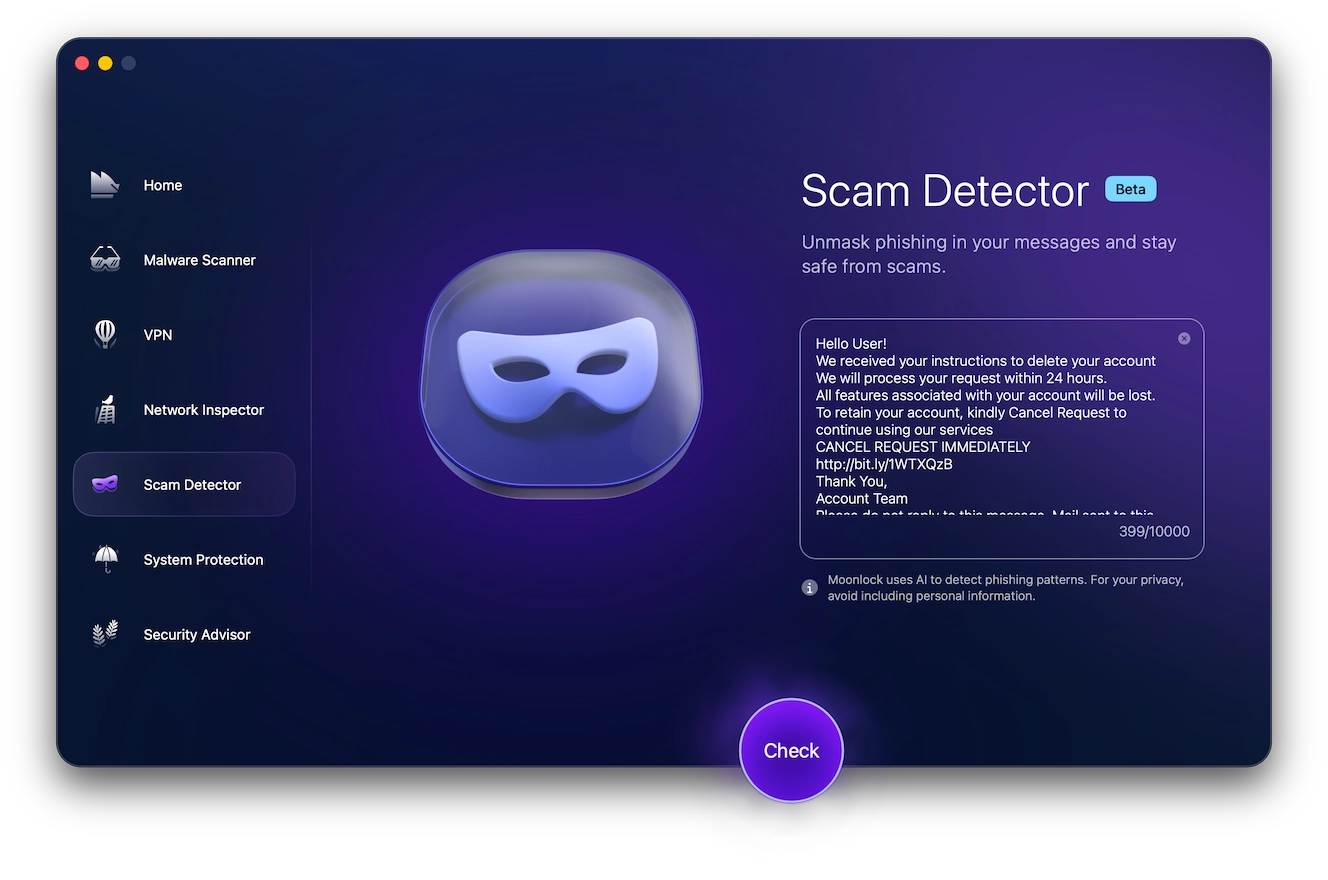
Here’s how to detect a potential Ticketmaster scam:
- Sign for a free Moonlock trial.
- Install and open the app.
- Copy the suspicious message or save a screenshot of it.
- Paste the material into the Scam Detector.
- Review the analysis before following any links or payment instructions.
- Verify anything involving your tickets directly through Ticketmaster.
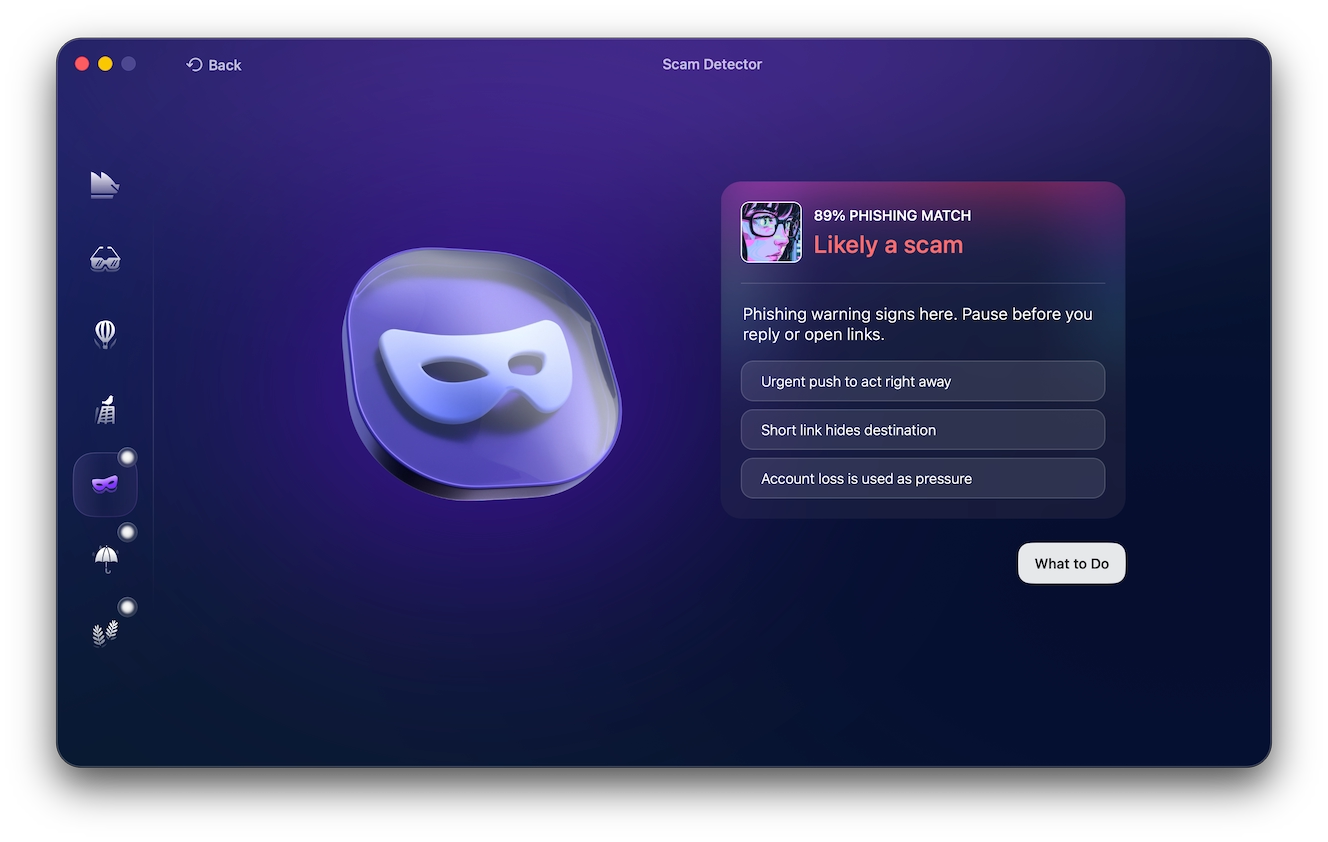
If a message still doesn’t make sense after you check it, open Ticketmaster separately and review your account rather than going back through the message.
Common Ticketmaster scam red flags include the following:
- A seller insists that payment has to happen outside the marketplace before a transfer.
- Someone claiming to be Ticketmaster asks for an Amazon, eBay, iTunes, or another third-party gift card.
- A supposed support representative asks you to wire money or buy a gift card to receive a refund.
- You are charged a separate fee merely to transfer a ticket or change a name.
- A seller sends a screenshot or browser link instead of transferring the ticket into your Ticketmaster account.
- A lookalike website uses a misspelled or altered version of Ticketmaster’s domain.
- An unexpected email says your payment failed or your tickets will be canceled unless you act immediately.
- A social-media seller refuses to show that the ticket can actually be transferred.
Typical Ticketmaster scams
Ticket scams often work because buyers have little time to compare offers. When an event is sold out, or prices are rising, a seller can use that pressure to make an unusual payment request feel like the only way to get in.
Scammers also benefit from Ticketmaster’s familiarity. A fake page or transfer story may appear more credible simply because it borrows the name of a platform the buyer already recognizes.
Many Ticketmaster scams, therefore, happen around the platform rather than through a weakness in Ticketmaster itself. The fraudulent contact may begin through search results or social media before the scammer uses Ticketmaster branding to complete the story.
Fake and lookalike Ticketmaster websites
A fake Ticketmaster site may copy the company’s design while using a slightly altered domain. These pages can collect account passwords or card information after a victim follows a phishing link.
An HTTPS padlock no longer proves that a site is legitimate, as scammers now use similar technology. HTTPS once meant that data sent between the browser and that website is encrypted, proving its legitimacy. But now, scam sites can obtain certificates too. The safer check is to navigate independently to Ticketmaster.com or open the official app rather than trusting a link in a message.
Phishing emails and the “vanishing ticket” scam
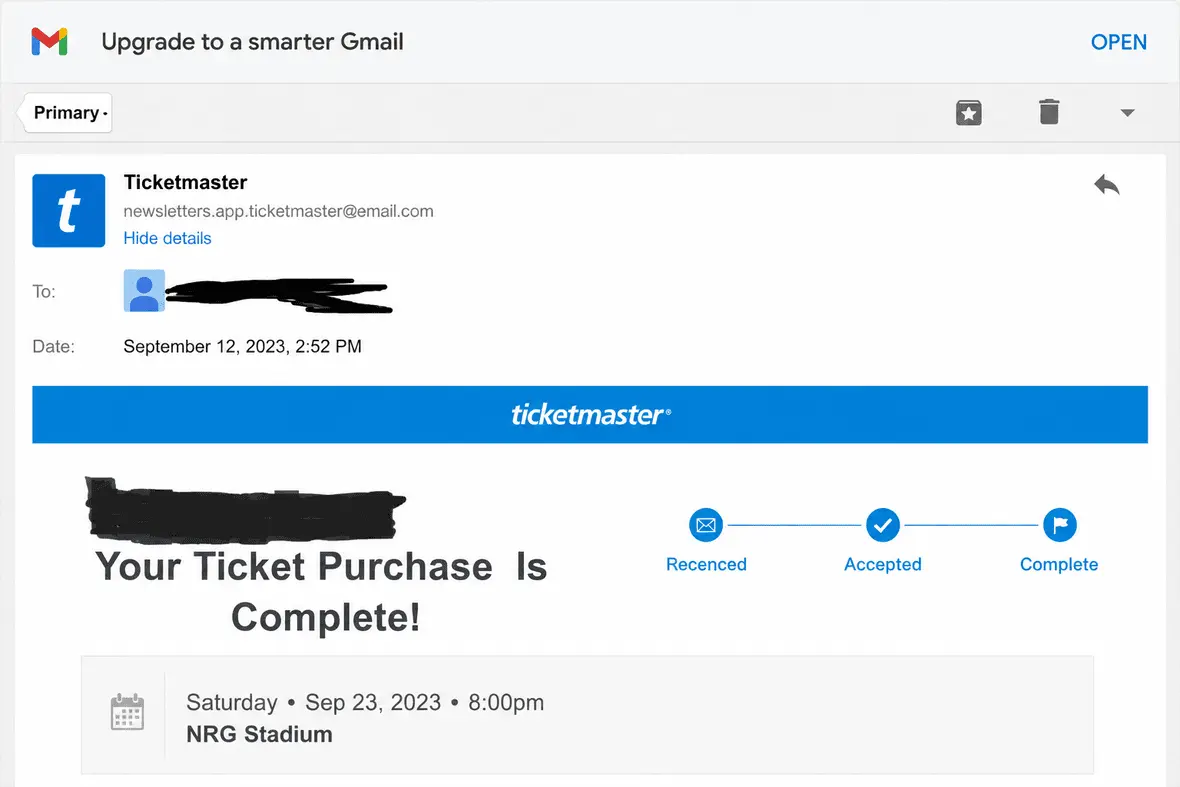
A Ticketmaster scam email may claim there is a problem with your payment or that tickets are about to be canceled. The link can lead to a copied login page that records the password entered there. A malicious attachment or download may also expose the device to malware.
Once an account is compromised, the tickets inside it become valuable. People magazine reported in 2024 that legitimate tickets had disappeared from their accounts after being transferred without permission. In one case, a customer later found his missing tickets listed on StubHub. Ticketmaster told the publication that its digital ticket history allows the company to investigate and restore fans’ tickets in nearly every case.
Scam Detector can help assess an unexpected Ticketmaster message before you interact with it. This is particularly useful when the visible sender looks legitimate, since Ticketmaster itself has warned that scammers can manipulate sender information.
If an email creates urgency around tickets you already own, try Scam Detector free for 7 days first, then check the order from inside your Ticketmaster account.
Fake Ticketmaster customer support
These scams are often the result of searching online for a Ticketmaster phone number and landing on a fraudulent page. The number connects to a scammer who sounds like support but eventually asks for account credentials or financial information.
Ticketmaster recommends finding Fan Support through its own website or app rather than relying on contact details supplied in a message or search results.
Bogus and counterfeit ticket listings
Fake listings are common around sold-out events, particularly when buyers move to social media or resale sites.
A typical version of this Ticketmaster scam works like this:
- The seller advertises a desirable ticket and provides convincing images or account screenshots.
- The buyer is told that other people are interested, creating pressure to pay.
- Payment is made outside an official ticket marketplace.
- The ticket never arrives, cannot be transferred, or turns out to be invalid.
These offers can appear on Facebook Marketplace, Craigslist, and third-party resale sites. Moonlock has separate guides to Facebook Marketplace scams, Craigslist scams, and buying safely on Mercari if a ticket offer starts on one of those marketplaces.
Gift card and off-platform payment scams
Ticketmaster says it will never ask someone to buy a third-party gift card in exchange for tickets or require a gift card before issuing a refund. It also says it will not request a wire transfer for tickets.
That includes an apparent Ticketmaster eBay gift card scam. An eBay gift card is still a third-party gift card, so a request to buy one for a Ticketmaster transaction conflicts with Ticketmaster’s stated payment practices.
Private sellers may instead request Zelle, Venmo, Cash App, or another direct payment. The problem is that sending money to an individual does not provide the same transaction framework as purchasing a resale ticket through Ticketmaster, and reversing an authorized payment can be difficult.
Ticket transfer scams and account takeovers
Ticket Transfer itself is a legitimate Ticketmaster feature. The scam happens when someone abuses the feature after stealing an account or uses the promise of a future transfer to collect money elsewhere.
The real transfer process works as follows:
- A ticket holder initiates a digital Ticketmaster transfer.
- The recipient accepts the ticket through their own account.
- If a ticket is transferred again, earlier barcodes are canceled.
- Once an ordinary transfer has been accepted, the sender cannot simply cancel or reverse it through the transfer function.
Ticketmaster can still cancel a transferred ticket if it determines that the ticket was obtained fraudulently. Its policies also allow account restrictions for some violations, while attempts to circumvent refund rules through prohibited chargebacks can lead to ticket cancellation or future purchase restrictions.
Replicated and duplicate ticket scams
A duplicate-ticket scam from Ticketmaster starts with a real ticket that is copied/screenshotted and then distributed more than once. Static images are particularly risky because the same barcode can be sent to several buyers.
Ticketmaster warns against posting images of tickets or other details online because they can be used to create counterfeit copies. Many Ticketmaster mobile tickets use barcodes that refresh every 15 seconds, while newer ticket designs add screenshot blocking.
How to check if your Ticketmaster tickets are real
The most useful verification happens inside Ticketmaster rather than by examining a screenshot. Here’s what the process looks like:
- Sign in to your Ticketmaster account or official app yourself.
- Open the event under your tickets.
- Confirm that the ticket appears inside the account.
- If you bought elsewhere, make sure you accepted an actual Ticketmaster transfer rather than receiving a browser link or screenshot.
- Contact Ticketmaster if anything seems suspicious.
The 2024 Ticketmaster data breach and what it means today
In April 2024, unauthorized activity affected an isolated cloud database that was hosted by a third-party data provider. Live Nation’s own SEC filing said the exposed database may have affected as many as 560 million customer records worldwide, making it one of the largest reported breaches of that year. Ticketmaster says the database contained limited information belonging to some customers who had purchased tickets in the United States, Canada, or Mexico.
The exposed information may have included email addresses or phone numbers, along with encrypted credit-card data. Ticketmaster says customer accounts themselves were not affected and that its investigation found no further unauthorized activity. Qualifying customers were offered 12 months of identity monitoring.
For buyers today, the breach is a reason to remain cautious about phishing that uses personal information to appear convincing. It is not, however, evidence that Ticketmaster accounts are still compromised in 2026.
Steps to take after a Ticketmaster scam
If you have exchanged money/tickets or your account access has already been affected, here’s what to do:
- Contact Ticketmaster through its official support page and report any tickets moved without permission.
- Change your password on Ticketmaster and any other accounts that use the same password.
- Contact your bank or payment provider if money was taken or sent to a scammer.
- Report the incident to the FTC at ReportFraud.ftc.gov.
- Save messages, receipts, transaction records, and screenshots that document what happened.
- Monitor accounts that could be affected if your payment or personal information was exposed.
Does Ticketmaster refund scam victims?
The answer depends on where the scam happened. Ticketmaster has restored tickets in reported cases where accounts were compromised and legitimate tickets were transferred without authorization.
The situation is different when someone buys a fake ticket from an unauthorized seller or sends money outside Ticketmaster. Ticketmaster generally cannot treat that private payment as one of its own marketplace purchases, so a card chargeback or dispute through the payment provider may be the more realistic recovery route.
Ticketmaster’s standard policy also says eligible refunds are returned to the original payment method. For ordinary transfers, the original purchaser, rather than the transfer recipient, holds the refund rights.
Why Ticketmaster has faced criticism
Some of the distrust surrounding Ticketmaster comes from its business practices rather than ticket scams. On April 15, 2026, a federal jury found Live Nation liable for illegally monopolizing the US concert-ticketing market through Ticketmaster. While their verdict addressed antitrust conduct, it did not speak to whether tickets sold through Ticketmaster are fraudulent.
Ticketmaster and Live Nation are also defendants in a separate FTC lawsuit. The FTC alleges that mandatory fees reached as high as 44% of the ticket price and says those fees totaled $16.4 billion from 2019 through 2024. That case concerns alleged pricing and resale practices.
Ticketmaster also faced widespread criticism after demand overwhelmed the 2022 Taylor Swift Eras Tour presale (where approximately 3.5 million people had registered for the presale). During this time, scalpers, long wait times, and fake tickets created immense frustration with Ticketmaster’s infrastructure and policies.
How to buy Ticketmaster tickets safely: A quick checklist
Legitimate e-commerce platforms use safety features to protect users, and Ticketmaster is no exception. That said, you can reduce your risk of falling victim to a scam by observing a few good habits. Here’s how to buy tickets on Ticketmaster safely:
- Start the transaction from Ticketmaster.com (or the official Ticketmaster app).
- If you’re buying resale tickets, use Ticketmaster Verified Resale when it is available.
- Confirm any transferred tickets inside your own Ticketmaster account.
- Do not buy tickets with third-party gift cards or through third-party payment apps (avoid any sellers that ask for a wire transfer).
- Screenshots are not proof of ownership.
FAQ: Ticketmaster legitimacy and scams
Still have questions? Here are clear answers to some of the most common questions about Ticketmaster, ticket security, and avoiding common ticket scams.
Ticketmaster may legitimately request an SSN/ITIN/EIN through its secure Seller Tax Details form for seller verification and Form 1099-K reporting. However, Ticketmaster says it will never request that information over the phone or by email.
Yes, Ticketmaster says its Verified Resale tickets are legitimate and remain within its ticketing system when they are sold.
Do not rely on the displayed sender alone. Ticketmaster warns that sender information can be spoofed, so verify unexpected claims through your account or the official Ticketmaster website.
Ticketmaster lists 1-800-653-8000 for US customer support, though the safest way to confirm current contact information is through Ticketmaster’s Contact Us page.
How to protect yourself from Ticketmaster scams
Use the official Ticketmaster site or app to verify if a message claims something has changed with your tickets. Logging in separately also lets you check an order without giving a suspicious link the opportunity to collect your password.
Protect the account with a password you don’t use elsewhere. Account takeovers can lead to legitimate tickets being transferred before the owner realizes someone else has access.
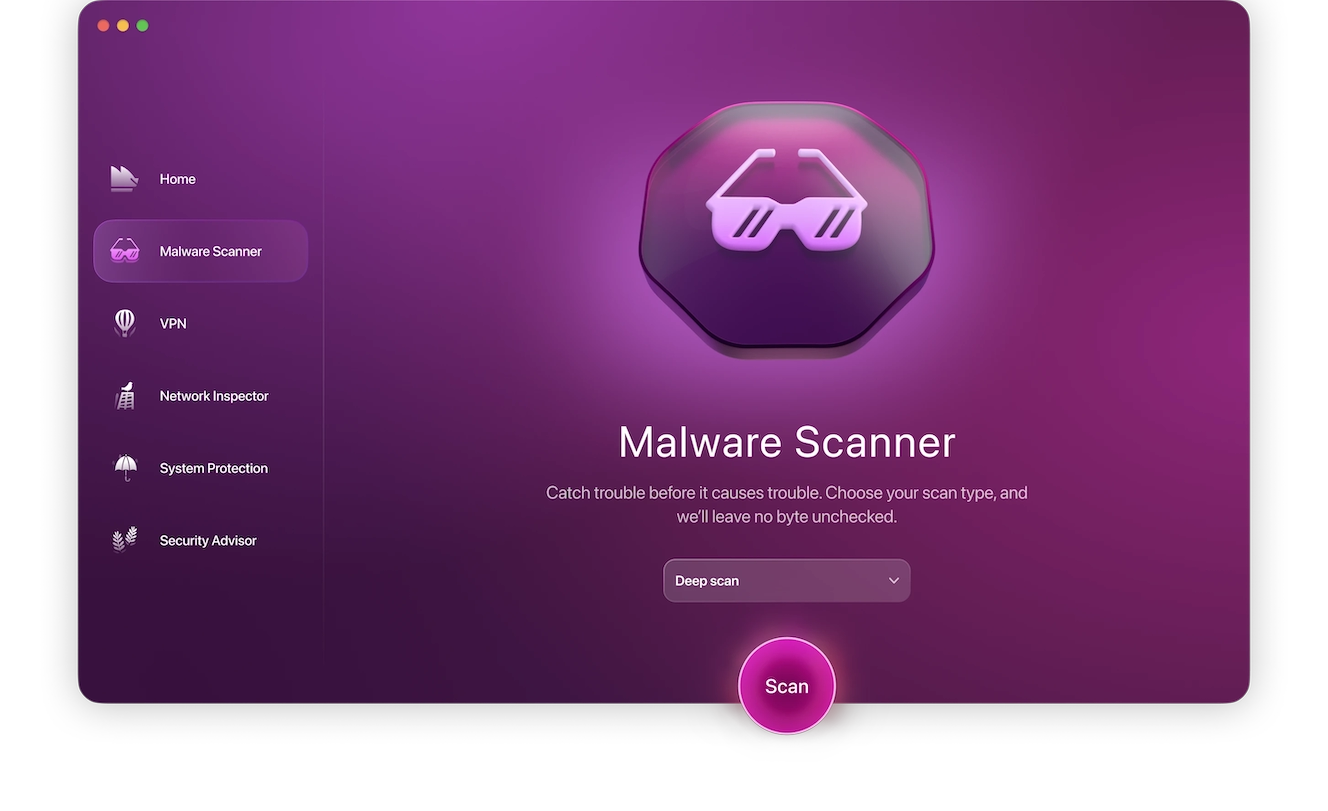
Be cautious with files downloaded from ticket emails. If a suspicious attachment or download reaches your Mac, Moonlock antivirus can check it for malicious software before it has a chance to cause further problems. Here’s how to use it:
- Start your 7-day free trial and download Moonlock
- Open Moonlock and select the Malware Scanner on the left to run your first scan.
- From the drop-down menu, click Configure and choose your Scan type (Deep, Balanced, or Quick).
- Click Scan.
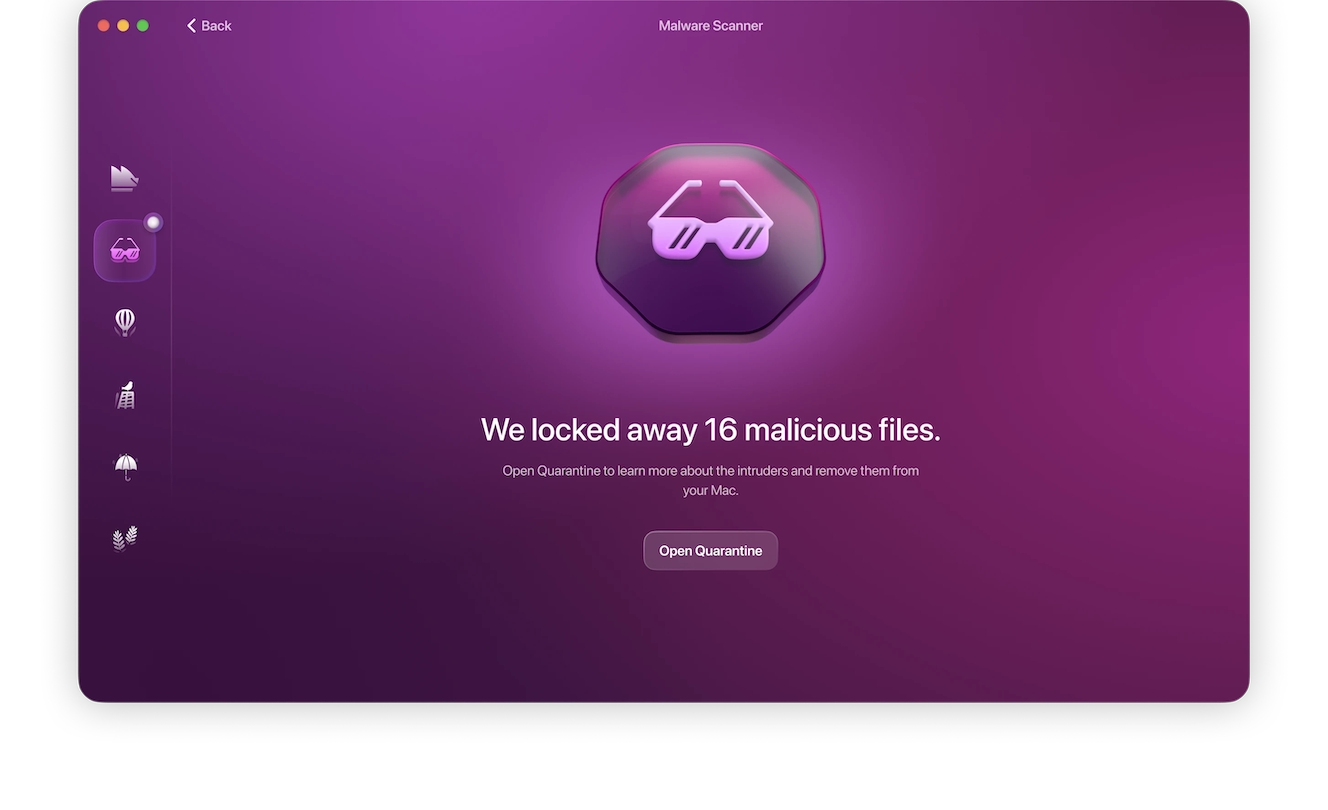
- Moonlock will locate any threats on your device and move them to Quarantine, where you can learn more about them and remove them permanently.
When purchasing from another person, keep in mind the difference between the ticket and the transaction. A ticket successfully transferred into Ticketmaster may be genuine, even if the payment arrangement made with the stranger remains outside Ticketmaster’s resale system.
Ticketmaster is safe to buy from through its official marketplace (including Verified Resale). With most Ticketmaster scams happening outside the platform, save yourself the hassle. Verify tickets in your account and be wary of unusual payment requests.
This is an independent publication, and it has not been authorized, sponsored, or otherwise approved by Live Nation Entertainment, Inc. Ticketmaster is a trademark of Live Nation Entertainment, Inc.