


Over the past 5 years, Americans have reported close to 65,000 online rental scams to the FTC, with cumulative losses of around $65 million. But such scams aren’t limited to shady posts on social media. In fact, even popular, legitimate platforms aren’t safe from scams, including industry giants like Zillow.
Zillow is an online real estate marketplace that connects landlords and agents with prospective renters and buyers. Unfortunately, its growing popularity has made it a target for scammers. Scammers on Zillow can target everything from your personal information to fraudulent payments. Here’s everything you need to know about how to stay safe when using Zillow.
Is Zillow legit and safe?
While the site itself doesn’t have the best reputation, with a 1.3/5 Trustpilot rating, Zillow is a legitimate online real estate platform. And, as with any legitimate platform, scams on Zillow can occur if you’re not careful. Redditors constantly report fake listings on the platform.
What Zillow does:
- Hosts property listings
- Helps with rental applications
- Supports some rental payments
What Zillow doesn’t do:
- Guarantees listing accuracy
- Verifies individual landlords
- Guarantees protection against fraud
Who owns Zillow and how it works
Zillow is a publicly traded company owned by the Zillow Group and is estimated to be worth around $6.89 billion. It generates revenue by offering advertising space, mortgage lending, and charging per listing, usually for long-term rentals and sales, unlike Airbnb, which specializes in short-term stays.
Zillow itself doesn’t own any of the listings on the platform. It is simply a mediator. You can use the platform to browse listings, contact landlords, schedule tours, and submit rental applications.
How common are rental scams? What FTC data shows
The FTC’s 2025 Data Spotlight report on rental scams shows:
- 65,000 reported instances of rental scams since 2020
- A total of $65 million in losses over the past 5 years
- 51% of reported rental scams originated on Facebook
- Rental scams are most common among people aged 18–29
- The median reported loss is $1,000
- 46% of reported scams resulted in monetary losses for the victims
Facebook and Craigslist dominate reports of rental scams, but that’s not to say other listing sites are immune, including Zillow. However, there are no Zillow-specific figures publicly available.
So, are there any scams on Zillow?
Yes, Zillow scams exist and have been discussed thoroughly on Reddit and other online forums.
Since Zillow doesn’t independently verify every individual landlord posting on their platform, fraudsters can easily post fake property listings and impersonate landlords to demand upfront payments or steal personal information.
Knowing how to recognize the most common rental scam red flags can help you steer clear of them when househunting.
Common Zillow scams and how they work
Fraudsters get creative when setting up Zillow scams. Here are some of the most common schemes that you should know about before using the platform.
1. Cloned rental listings
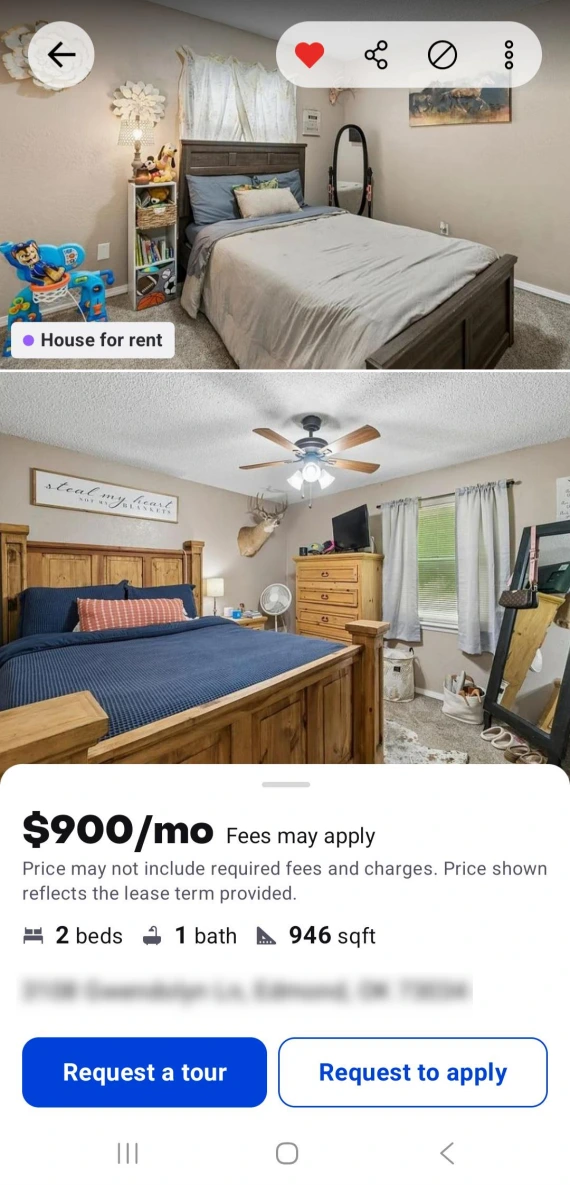
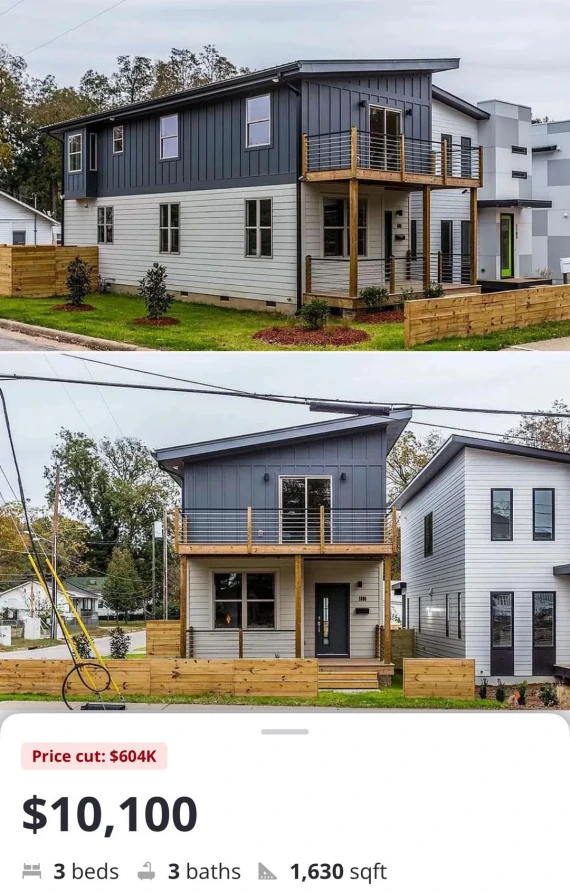
In order to post a convincing listing that seems legitimate down to the smallest detail, Zillow fake listings are often created by copying legitimate property ads and then replacing the contact details. For example, a rental scammer might advertise a 2-bedroom apartment for $1,150 in an area where comparable homes cost $1,900. They require a $50 application fee, then ghost you as soon as you pay.
Scammers might also advertise properties that are no longer on the market, making it harder to reverse-search the images for verification.
So, how do you catch a rental scammer using these tricks? For one thing, be wary of suspiciously low rent prices or a landlord urging you to pay before even visiting the apartment. Reverse-search the listing images and try to contact the landlord independently outside of Zillow.
2. Phishing links and fake rental application sites
Instead of processing your rental application through Zillow or in person, scammers may send “apply here” or “verify your Zillow account” links that lead you to lookalike websites. These malicious sites are designed in such a way that any information you input, whether it’s your passwords, Social Security number, or application fees, will get stolen. It’s best to apply directly through Zillow’s official website and avoid paying through third-party links the landlord may send you to.
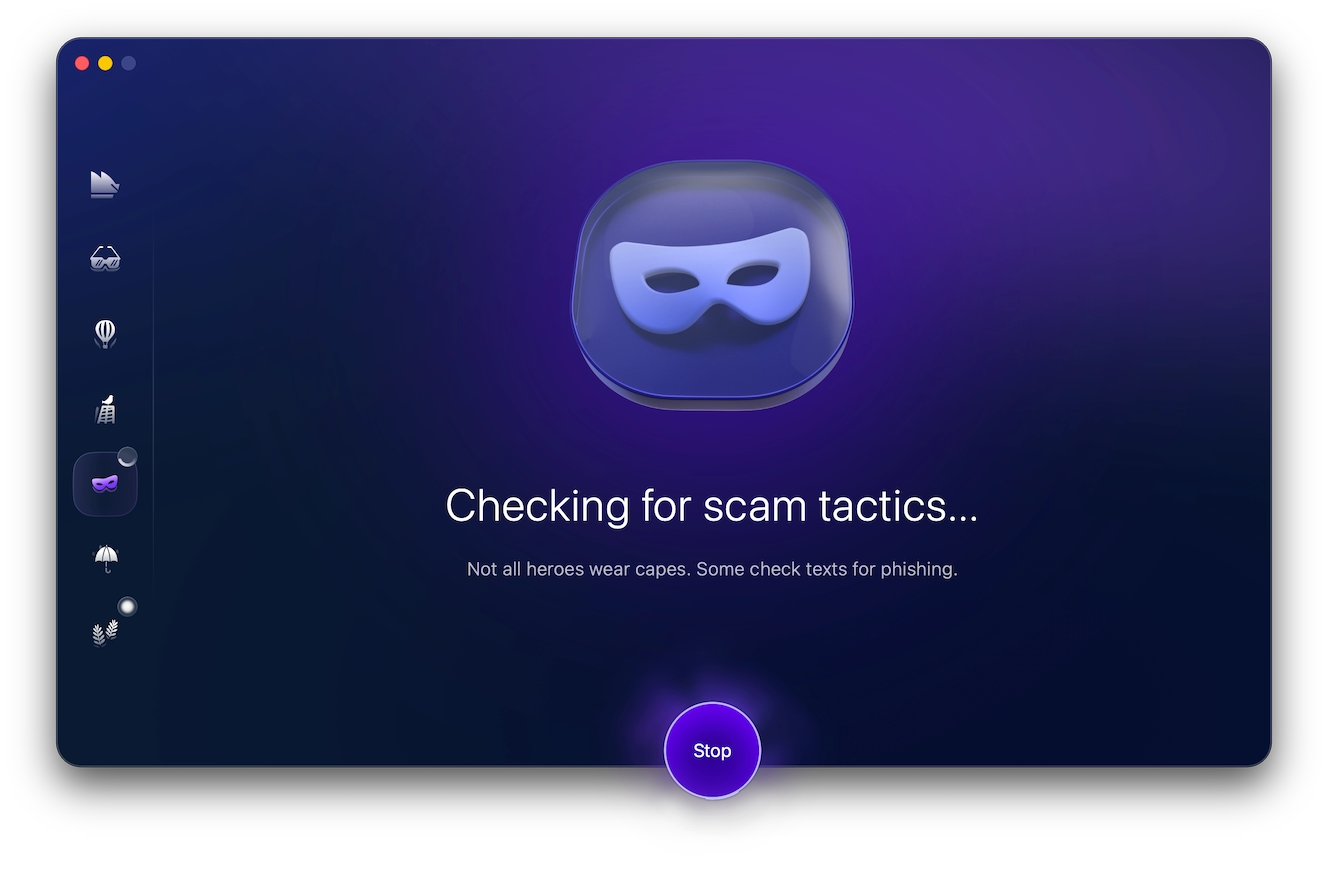
Use Moonlock’s Scam Detector to check listings or messages from a landlord before clicking on anything. With a simple copy and paste into the Scam Detector, Moonlock can alert you to the telltale signs of a scam, such as suspicious URLs or manufactured urgency. Try Moonlock today with a 7-day free trial to help you avoid Zillow scams.
3. For-sale homes turned into fake rentals
Scammers often copy homes originally listed for sale as fake rentals, knowing that the markets for the 2 rarely intersect. They list the home or apartment for an attractively low price, like a $350,000 home listed for $1,800 a month, then pocket the application fee or first month’s rent before disappearing.
Always run a reverse image search of listing photos and check the property’s sale status. If possible, try to connect with the owner independently and schedule an in-person visit.
4. Off-platform redirect
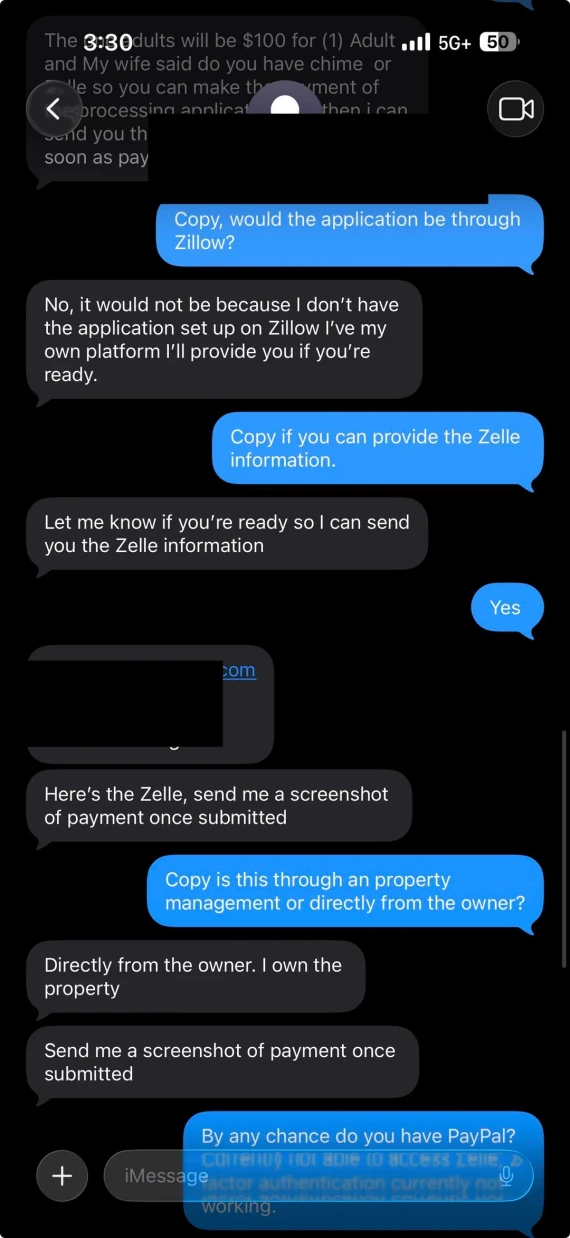
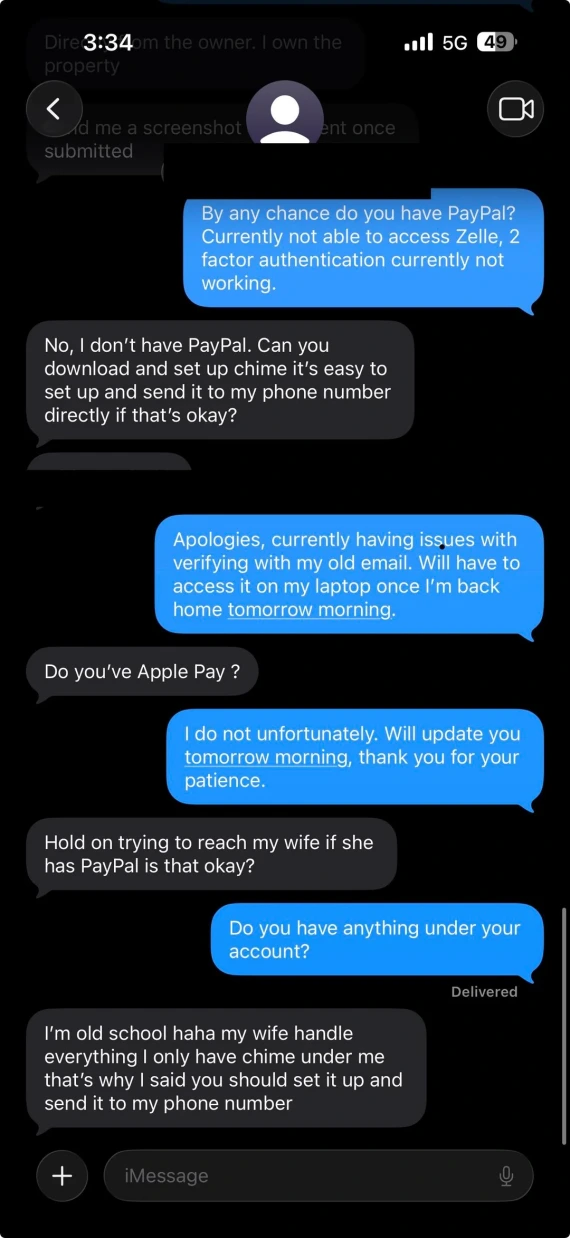
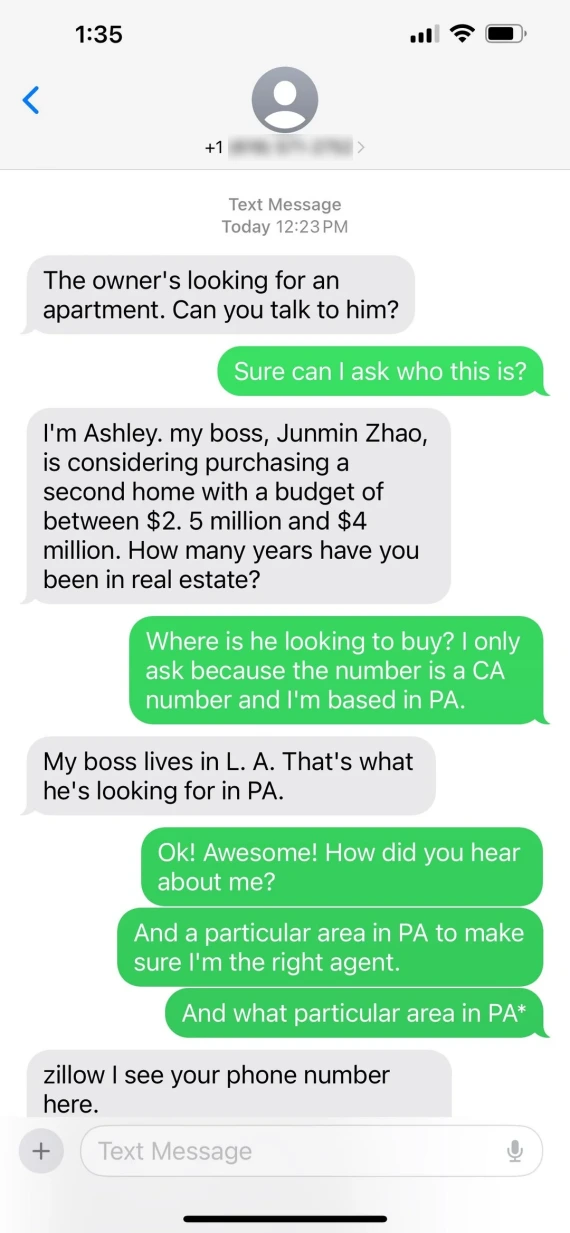
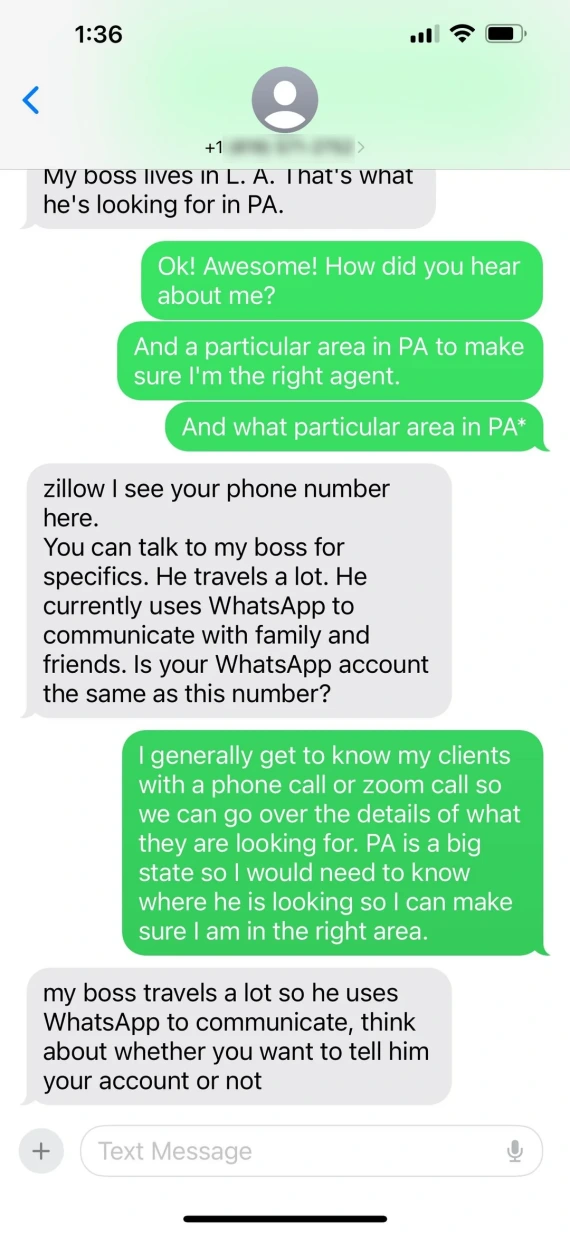
While the conversation usually starts on Zillow, many scammers try to move it to another app like WhatsApp or personal emails before requesting deposits or sensitive information.
Look out for landlords trying to pressure you into leaving Zillow as soon as you contact them. They’ll usually make up an excuse that the platform isn’t working properly and they prefer to just talk on the phone or text. Always verify the landlord independently before giving any personal or payment information.
5. Application fee and credit check scams
There are 3 main ways a scammer will try to get your money through a scam on Zillow:
- Upfront fees: They demand an application fee, around $50, before a tour of the listing.
- Credit check links: Getting you to input your credit card details on fake sites or through affiliate links, claiming a $1 charge, only to then trigger a paid membership subscription
- Fake applications: Fake forms used to steal your personal and financial information, to be later used in identity theft, where the scammer can take out credit cards and loans in your name.
One particular red flag is supposed “refundable fees” that go to a personal bank account. You won’t be able to get your money back if you send it.
Identity verification requests shouldn’t be done through the landlord but through Zillow. The platform charges $40 for credit and background checks and 30 days of unlimited applications to listings.
6. Lockbox and self-tour scams
A self-tour is when you’re given the access code to a lockbox containing a home’s key that you can tour on your own time without needing to schedule a time with the realtor. But having the key in hand and actually visiting the property might offer a false sense of security, enabling the scammers to defraud you for a whole month’s rent.
In January 2020, a family in Raleigh was scammed out of $1,700 after they were given a self-tour of a house. The scammer had access to the property and knew the code to the outside lockbox, but didn’t have the authority to rent it out.
The FTC notes that this type of scam can be more difficult to spot. So even if you receive a self-guided tour of the property, check whether you can verify the landlord independently, check for any phone numbers or property management companies posted outside the property, and be wary of requests to pay to personal accounts through wire transfers, cash, or cryptocurrency.
7. Fake Zillow messages and verification code requests
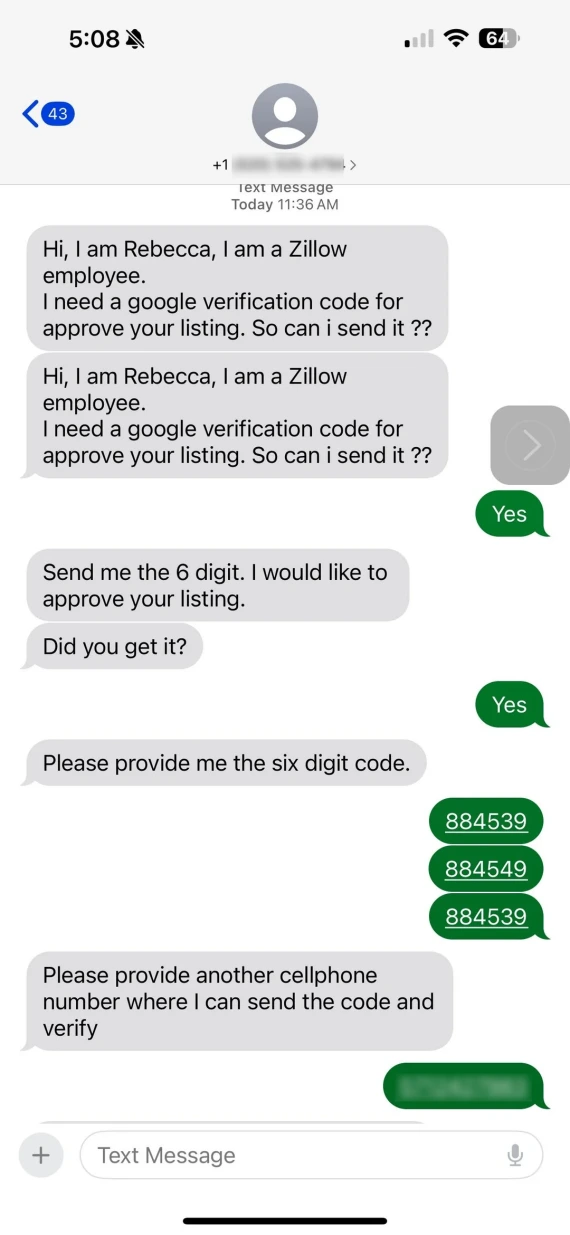
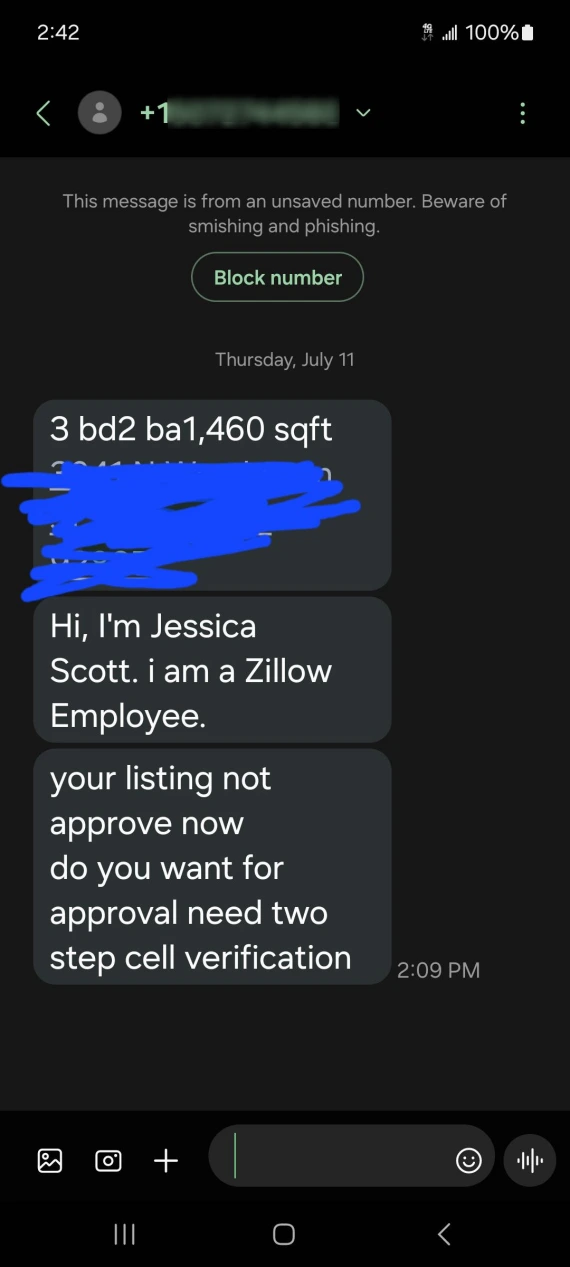
Scammers don’t just impersonate landlords on Zillow; they can also impersonate Zillow staff through texts and emails.
Unsolicited messages requesting one-time verification codes or passwords should be considered a major red flag. Verification codes and passwords can be used to take over your Zillow account and potentially impersonate you to scam others.
Zillow recommends using their online screening tools to verify, identify, and avoid impersonators. Avoid taking communication off Zillow or sharing sensitive information through suspicious links or emails.
8. Malicious attachments and remote access requests
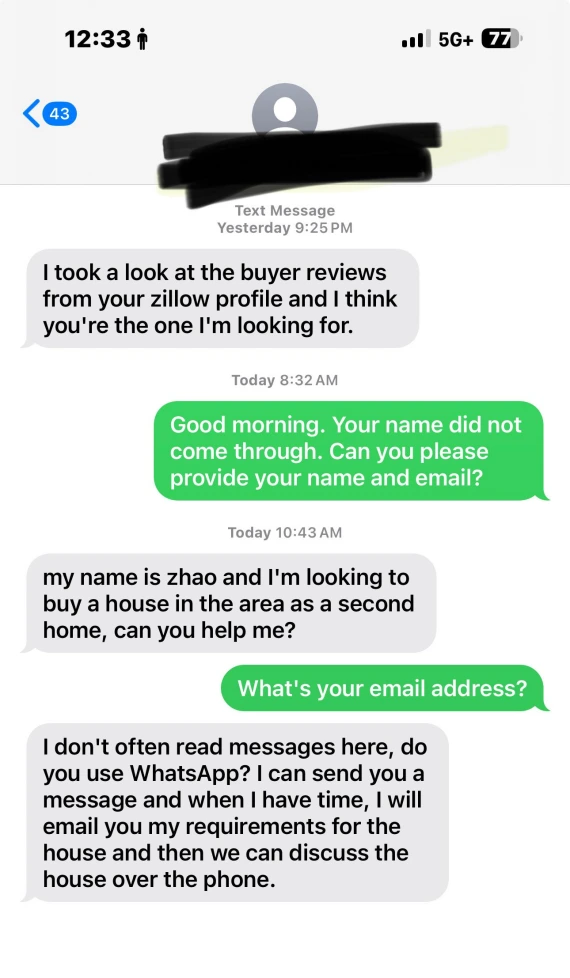
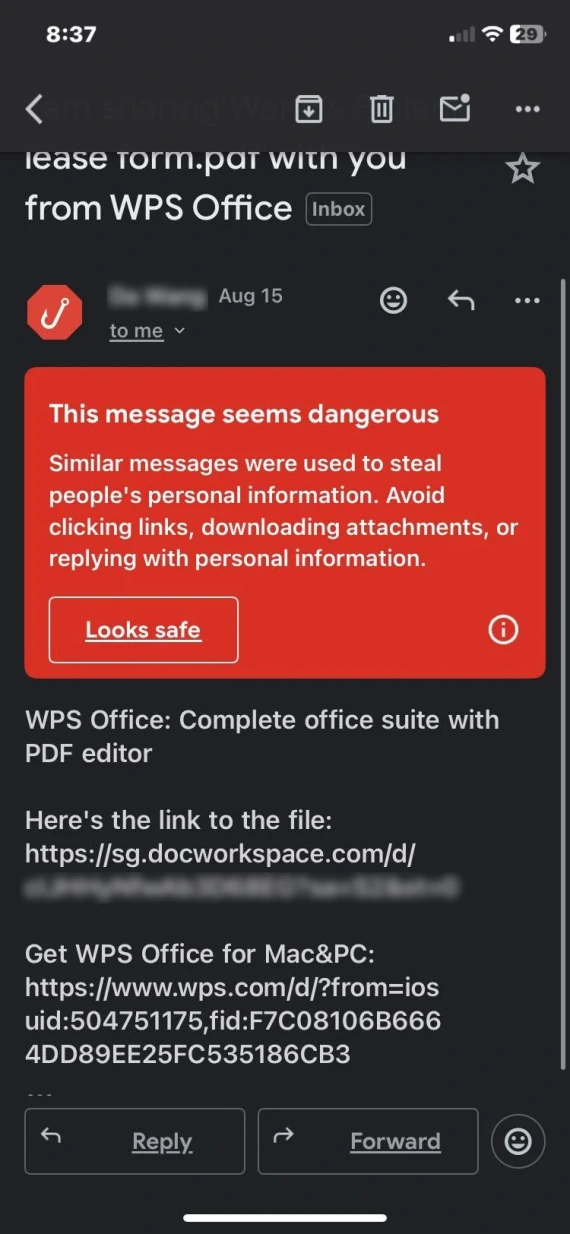
Some Zillow fake listings are just cover-ups for malware. The scammer sends a fake rental agreement, usually through email, containing malware. Or they might request that you install some remote-access software, potentially exposing your personal information.
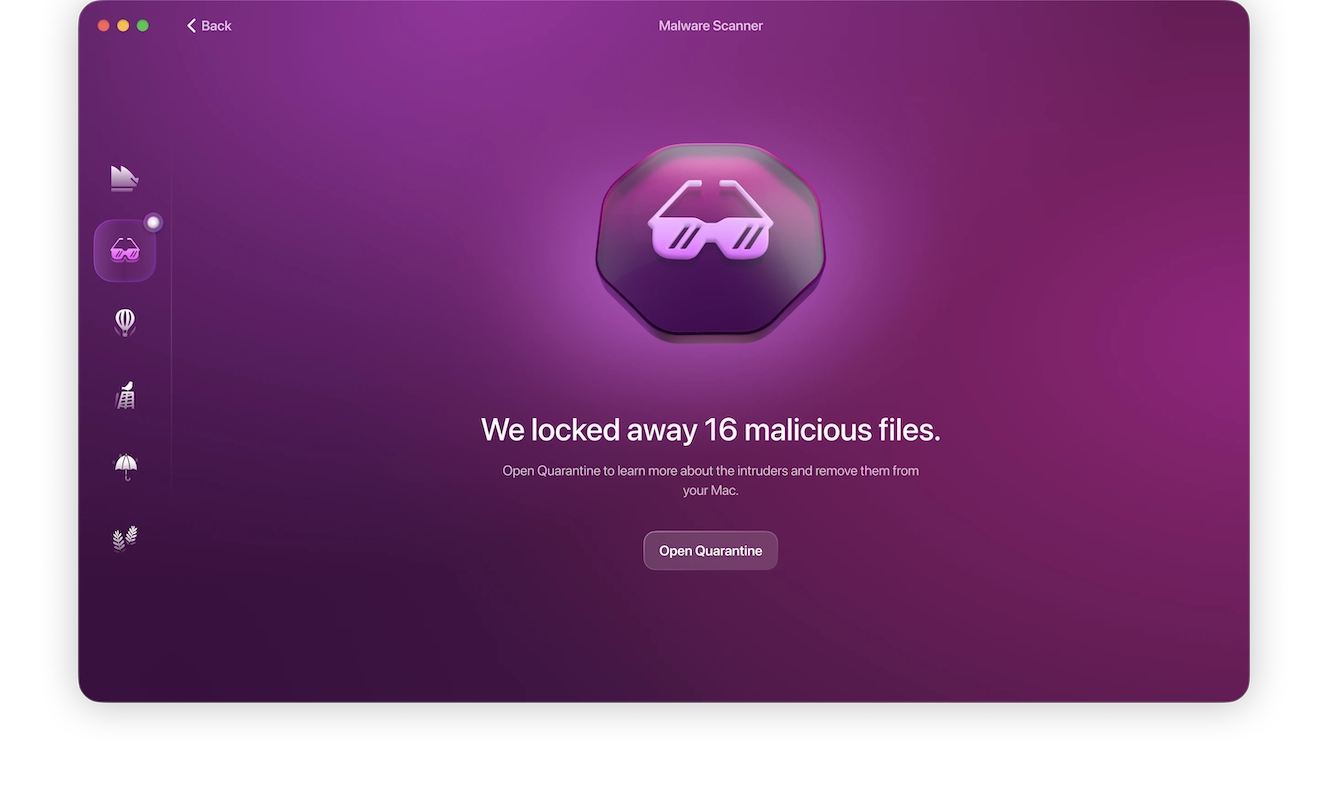
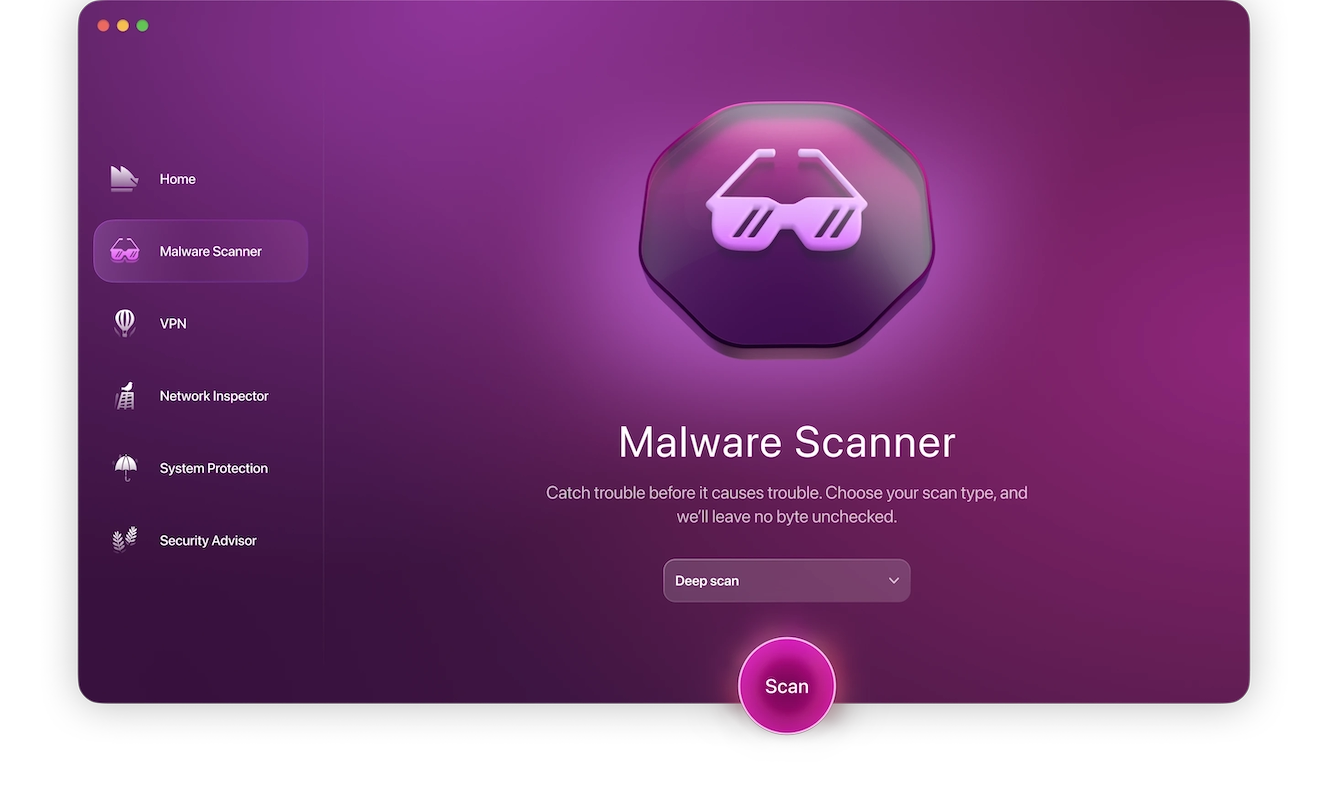
If you accidentally click on an email attachment from a suspicious listing on Zillow, you’ll need to immediately scan your Mac using Moonlock to check for viruses and malware:
- Start a 7-day free trial of Moonlock and install it on your Mac.
- Open the app, then click Malware Scanner from the left-hand sidebar.
- From the drop-down menu, select the Deep scan type.
- Click Scan.
9. Fake for-sale listings priced far below value
Zillow scams also target prospective buyers on the platform by advertising properties at bargain prices, then demanding a deposit through fake escrow services and forged e-signatures.
Property sellers can also be targeted by scammers on Zillow, primarily through overpayment scams. The scammer sends a check worth more than the deposit, then requests that you refund the difference. The check is usually fake and will bounce, leaving you at a loss.
10. Scams that target landlords
Landlords are also at risk of facing Zillow scams. A few of the most common include:
- Applicant impersonation: The scammer uses a fake identity or forged financial document to gain access to a property they don’t qualify for, and potentially default on rent.
- Landlord account takeover: Stealing passwords and verification codes lets scammers take over landlord accounts and impersonate them to scam others or redirect payments.
- Fake payment confirmation: Using forged screenshots or emails to claim they’ve paid the deposit, they then quickly request a refund because they’re no longer interested in the property.
How to spot the Zillow red flags that signal a scam
No scam is 100% foolproof. If you keep a sharp eye out for rental scam red flags, you should be able to avoid them before you lose any data or money.

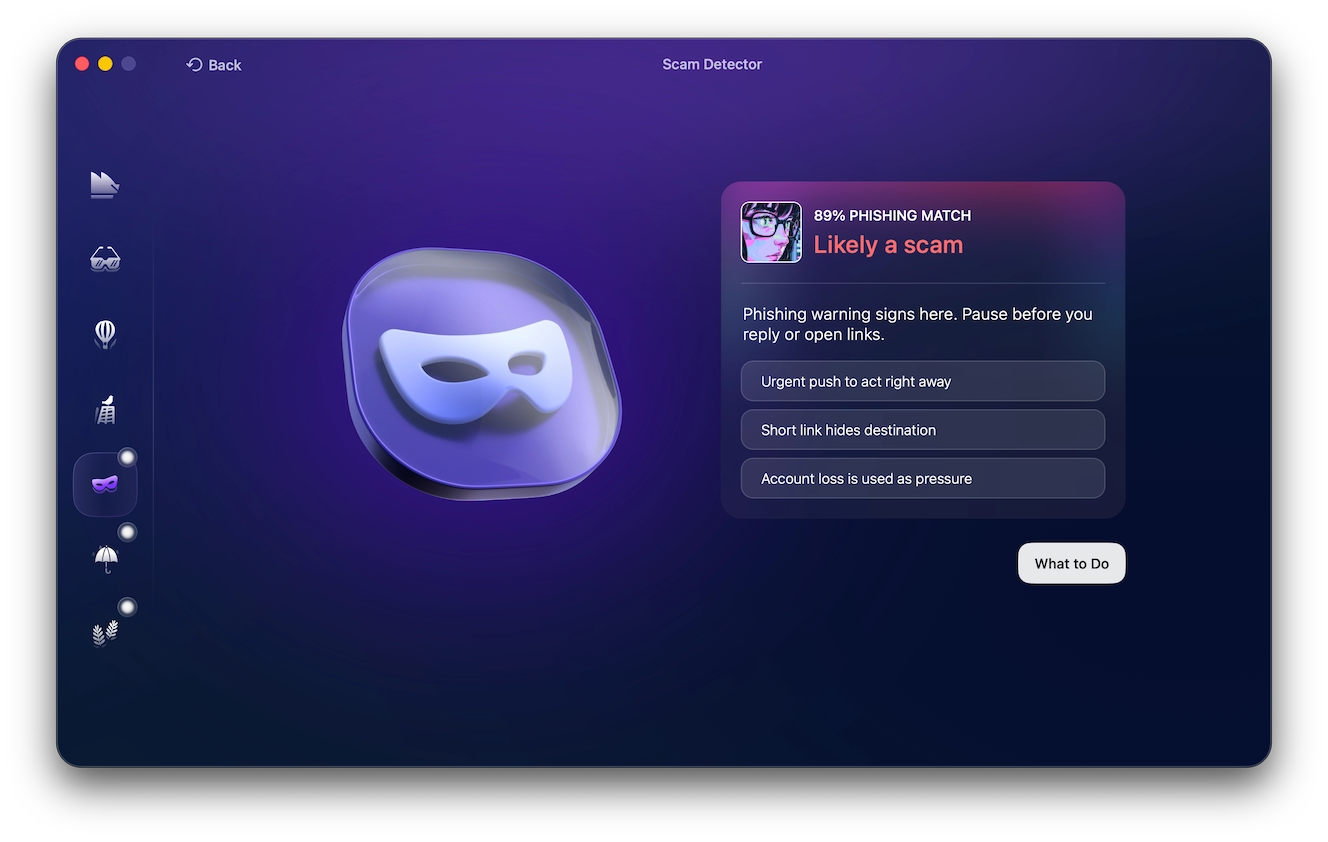
If you’re not sure how to proceed, you can rely on Moonlock Scam Detector to help you catch the telltale signs of a scam. Just sign up for a 7-day free trial of Moonlock, then:
- Open the Moonlock app and click Scam Detector on the left.
- Copy and paste any suspicious message or property listing into the detector.
- Click Check.
Whether it’s through the property description itself or messages you’ve exchanged with a suspicious landlord, Moonlock will analyze the text for red flags, urgency, and fake deadlines, then give it a “phishing likelihood” score out of 100. You can then use this feedback to make an informed decision about moving forward with the Zillow listing.
Other warning flags include:
- Low rent: $1,200 compared to the local average of $1,900, for example
- Urgency: Pay today or else the deal is off
- Irreversible payments: Demands to pay via wire transfer, cash, or crypto
- Unusual deposits: Asking for deposits via gift cards or Venmo
- Inconsistent details: Listing says 3 bedrooms, but the photos only show 2 bedrooms
- No tours: Refusing to provide in-person or self-guided tours, usually claiming that the contact person is not available or currently traveling
- Personal emails: Shifting the conversation to personal emails or WhatsApp and outside of Zillow
- Stolen photos: Using property photos originally listed elsewhere online
- Requesting sensitive information: Asking for verification codes, passwords, ID, or financial documents
- Fake credit checks: Urging you to pay a small fee of $1 for a “credit check” but signing you up for a recurring subscription
How to verify a Zillow listing before paying
Follow these steps to avoid rental scams on Zillow:
- Search the address: Google the property address and compare prices and landlord names across listings on different sites.
- Verify ownership: Find the owner through public property tax records and compare with the landlord on Zillow.
- Verify management: Visit the management company’s official website and confirm that they manage the property you’re interested in.
- Contact independently: Use the management company’s public phone number or email address to confirm that the agent on Zillow represents them.
- Compare prices: Check the price of similar Zillow listings in the same area.
- Verify application: Apply only through verified channels like the management company or Zillow, never through third-party links.
- Verify payments: Pay with a credit card and be wary of payment requests via crypto or wire transfers.
What to do after losing money to a Zillow scam
Falling for a Zillow scam doesn’t always mean your money is forever lost. You’ll need to act quickly to limit further losses and maybe get your money back:
- Contact your bank: Report the payment immediately and request a chargeback or reversal.
- Preserve evidence: Take screenshots of the listing, and keep the listing’s URL, messages, receipts, and any documents exchanged while in contact with the scammer.
- Secure your account: If you clicked on any links sent by the scammer, change compromised passwords and enable 2FA.
- Report the fraud: Notify Zillow of the fraudulent listing and file a report with the FTC at ReportFraud.ftc.gov or the local police.
How to report a Zillow scam
Report suspicious Zillow scams through these official channels:
- Zillow: Open the listing, click Report Listing, then select “Listing seems to be fraudulent or illegal.”
- The FTC: File a complaint at ReportFraud.ftc.gov.
- Local police: Report any financial losses or fake documents to the local police as evidence.
What to do if a fake Zillow listing uses a real address
If the address is real but the contact and listing details are fake, the scammers likely stole the property details from another website. Here’s what you do with Zillow fake listings:
- Report the listing to Zillow.
- Contact the property’s legitimate owner or manager.
- Save screenshots, photos, and the URL of the listing.
Zillow scams: Landlord verification, rental applications, and refunds
Here are the answers to common questions concerning Zillow scams and how to avoid them.
Zillow doesn’t independently verify every landlord or property manager on the platform.
Zillow’s official rental application includes credit and background screening for the tenant and doesn’t share your personal information with the landlord.
Real estate agents and marketers may be sending unsolicited but legitimate offers, but some of those messages could be scams.
All 3 websites are owned by Zillow Group. None are guaranteed to be scam-free and require you to be on high alert when browsing listings.
Refunds aren’t guaranteed, especially if you paid via wire transfer, cash, or crypto. But you should contact Zillow immediately to request a reversal.
How to stay safe from Zillow scams when opening rental applications or lease documents
If you need to open emails when looking for your next rental, it’s important to be wary of potential scams on Zillow:
- Verify senders: Confirm the landlord’s identity before opening rental files.
- Inspect links: Avoid unfamiliar websites or URLs with suspicious characters in them.
- Avoid downloads: Stick to online lease agreements and reject any unexpected ZIP files or software installers.
- Scan documents: Check any downloads for malware before opening them.
Use the Moonlock antivirus to scan files and email attachments for malware before opening them, and always verify the origin of any rental document before sharing personal information or making payments.
Zillow is a legitimate platform with a large user base. Unfortunately, this makes it precisely the sort of fertile ground that scammers use to search for potential victims. The good news is that with a little basic knowledge of common scams on Zillow, backed up by a strong cybersecurity solution, you can browse in safety and with peace of mind.
This is an independent publication, and it has not been authorized, sponsored, or otherwise approved by Zillow, Inc. Zillow is a trademark of Zillow, Inc.