

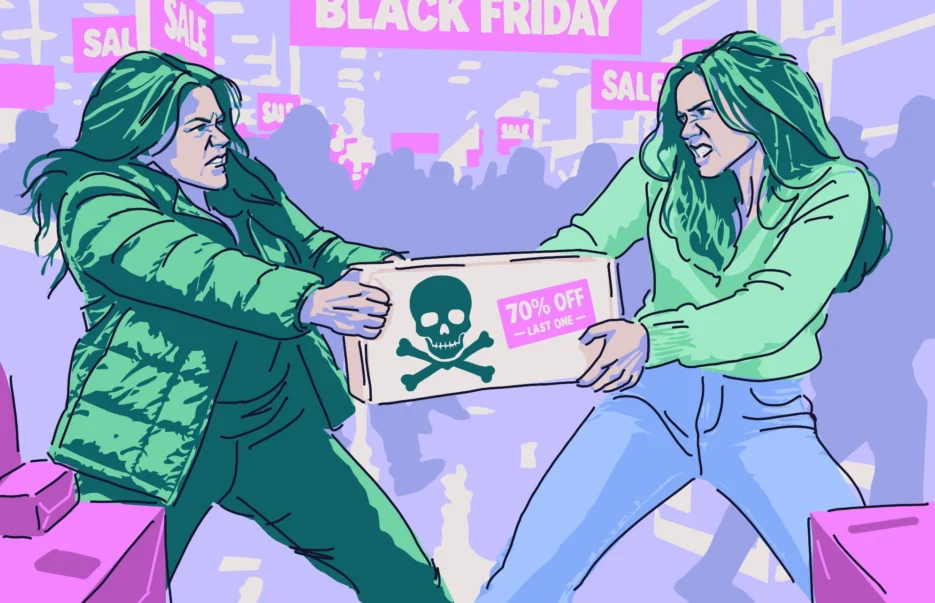
Black Friday and Cyber Monday offer some of the best deals and shopping opportunities, whether it’s online or in person. But the promise of huge savings is often exploited by criminals looking to scam shoppers out of their money or credit card information. In Europe, Visa blocked 40% more suspected fraud attempts on Black Friday than the weekend before it.
In this guide, we’ll help you steer clear of Black Friday and Cyber Monday scams, fake Black Friday deals, and phishing attempts so you can enjoy all the great savings.
How to recognize a fake Black Friday or Cyber Monday deal
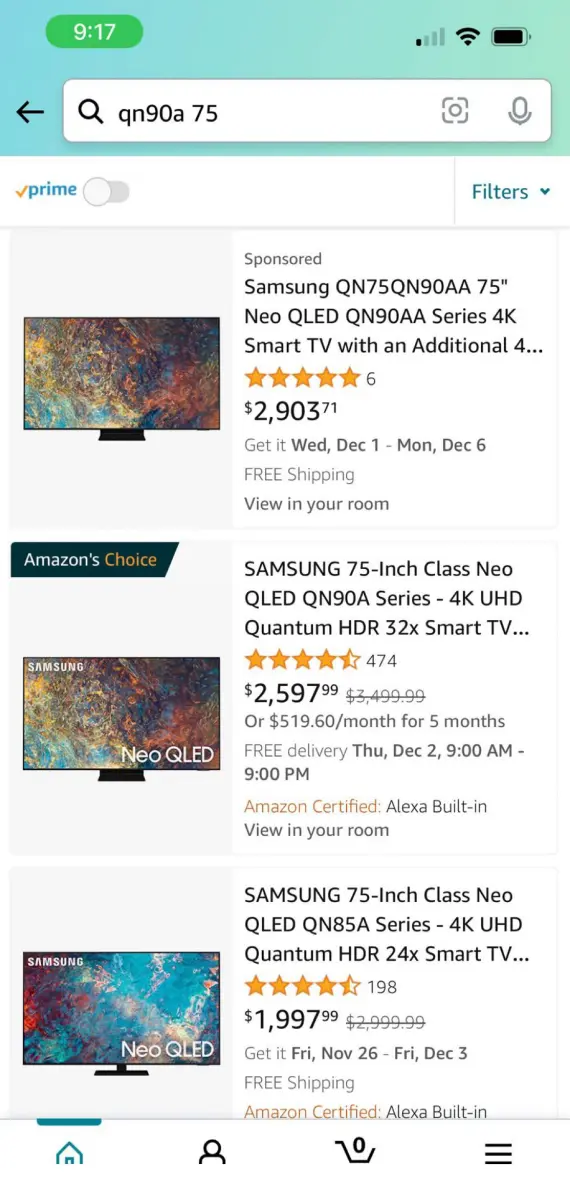
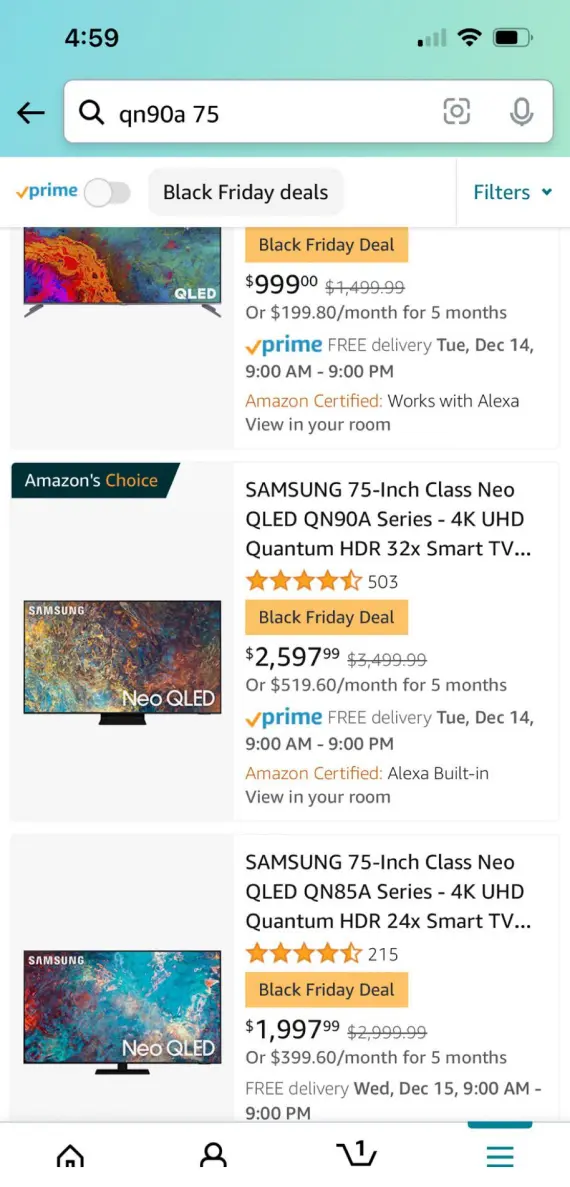
Not every discount is a bargain, and not every “deal” is a scam. In 2024, Which? found that 83% of tracked products were priced the same or lower outside the Black Friday deal period.
To avoid falling for the marketing of a Black Friday deal, watch out for these red flags:
- Inflated previous price: Check the “was” price before the discount and verify it against past listings.
- Unusually steep discounts: Compare the same or similar products across multiple retailers.
- Resetting countdown timers: Those “Sale ends in…” timers that reset immediately after they’re done create a false sense of urgency.
- Vague product details: Missing model numbers or warranty information can signal a suspicious listing.
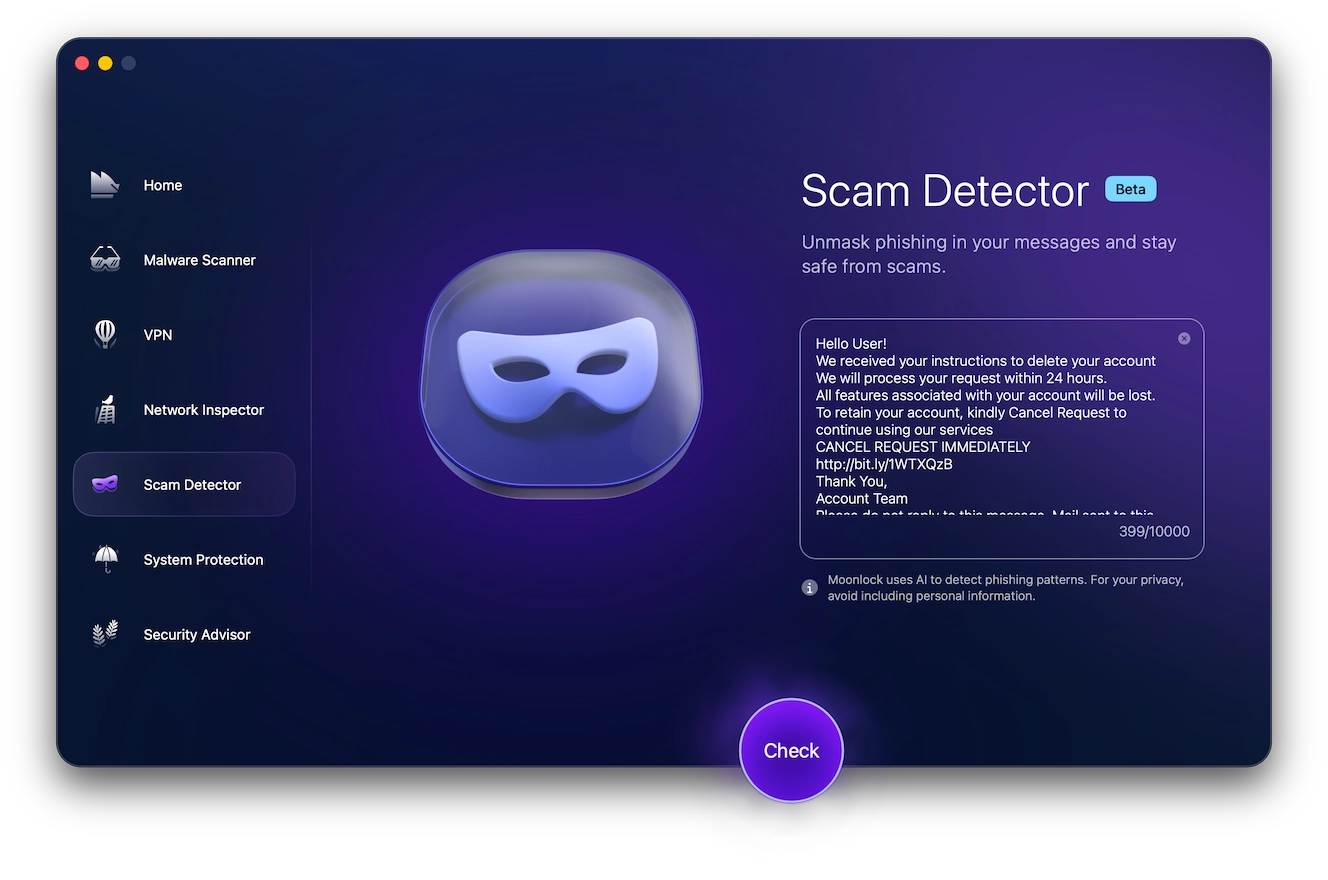
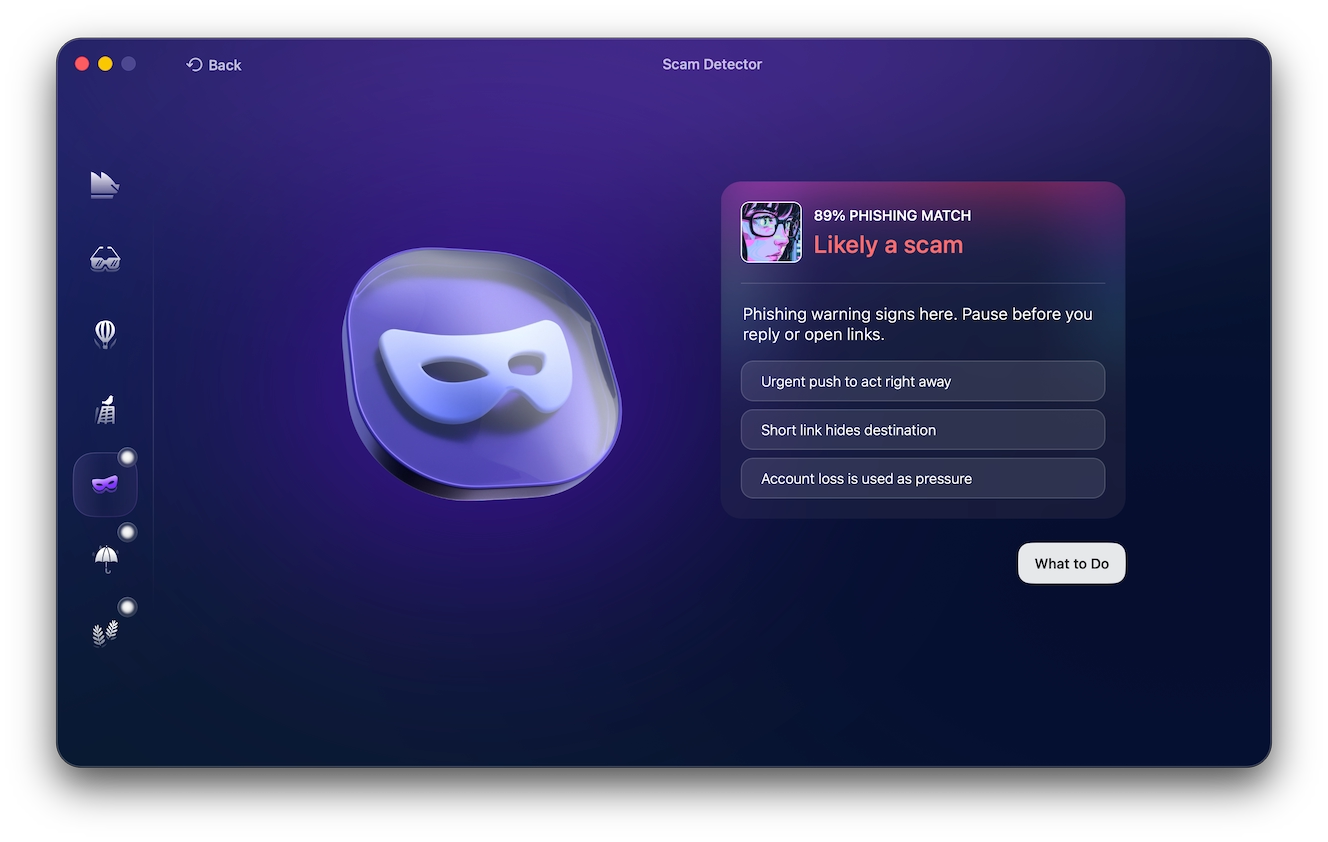
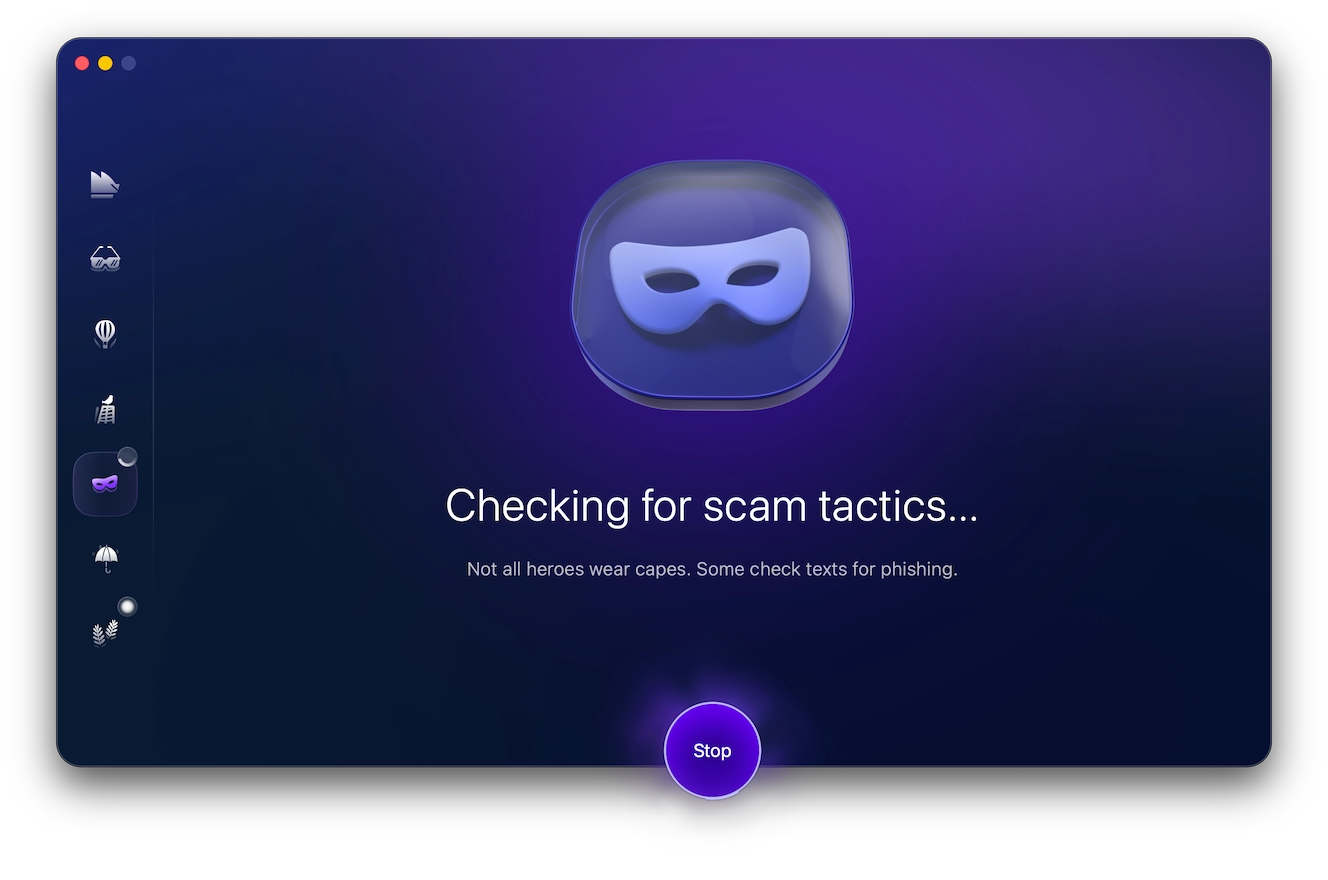
If the seasonal deal arrives by mail or text message, you can run it through Moonlock’s Scam Detector to check it for the likelihood of phishing before clicking on any links. Here’s how:
- Open Moonlock, then click on Scam Detector on the left.
- Copy and paste the text into the Scam Detector.
- Click Check.
The Scam Detector and plenty of other security features are included in your 7-day free trial of Moonlock, helping you stay safe when shopping online.
Black Friday scam types you should know about
Scams and phishing schemes that target shoppers during Black Friday and Cyber Monday sales share some commonalities that you can keep an eye out for.
1. AI-powered scams


In 2025, the FTC recorded close to $16 billion in fraud losses, with $2.1 billion of them attributed to social media scams alone. The use of AI is making it easier to come up with more believable scams at a much larger scale.
There are 3 main mechanics to AI-powered Cyber Monday scams:
- Deepfake celebrities and influencers: Deepfakes now account for 11% of all online fraudulent activity. Fake celebrity and influencer videos can be used to endorse specific products or deals, like the recent deepfake Taylor Swift TikTok ads.
- Fake products: Scammers use AI-generated product images, reviews, and product descriptions to make listings look legitimate.
- AI recommendations: AI chatbots can sometimes recommend cloned domains when recommending a product.
To stay safe from AI scams:
- Check the website’s domain before clicking.
- Take endorsements from a celebrity or influencer’s official accounts only.
- Check independent review sites.
- Compare similar products on other sites.
2. Fake online stores and lookalike websites
Fake stores that imitate legitimate retailers aren’t always easy to identify. They often copy logos and hundreds of product pages, making them feel like the actual website. In 2025, CloudSEK identified more than 2000 fraudulent e-commerce websites during Black Friday and the holiday discount season, with some of them impersonating major retailers like Amazon.
When shopping online:
- Always check the spelling of the domain name.
- Keep an eye out for unusually low prices.
- Look up the domain on WHOIS to verify its registered owner.
- Remember that the padlock symbol and HTTPS alone aren’t enough to verify a website, as they can be easily bought.
- Manually enter the retailer’s official URL when in doubt.
- Avoid links sent through emails or marked as “ads” in search results.
3. Fake shopping apps
Similar to fake shopping websites, fake shopping apps can duplicate the appearance of major retailers, like Shein or AliExpress, to trick users into giving out their login credentials and payment details.
Keep an eye out for:
- Number of downloads: Legitimate apps of major retailers have millions of downloads, while a fake copy would only have a few thousand.
- Developer name: Look for misspelled or generic developer names.
- Reviews: Read recent reviews looking for complaints or AI-generated text.
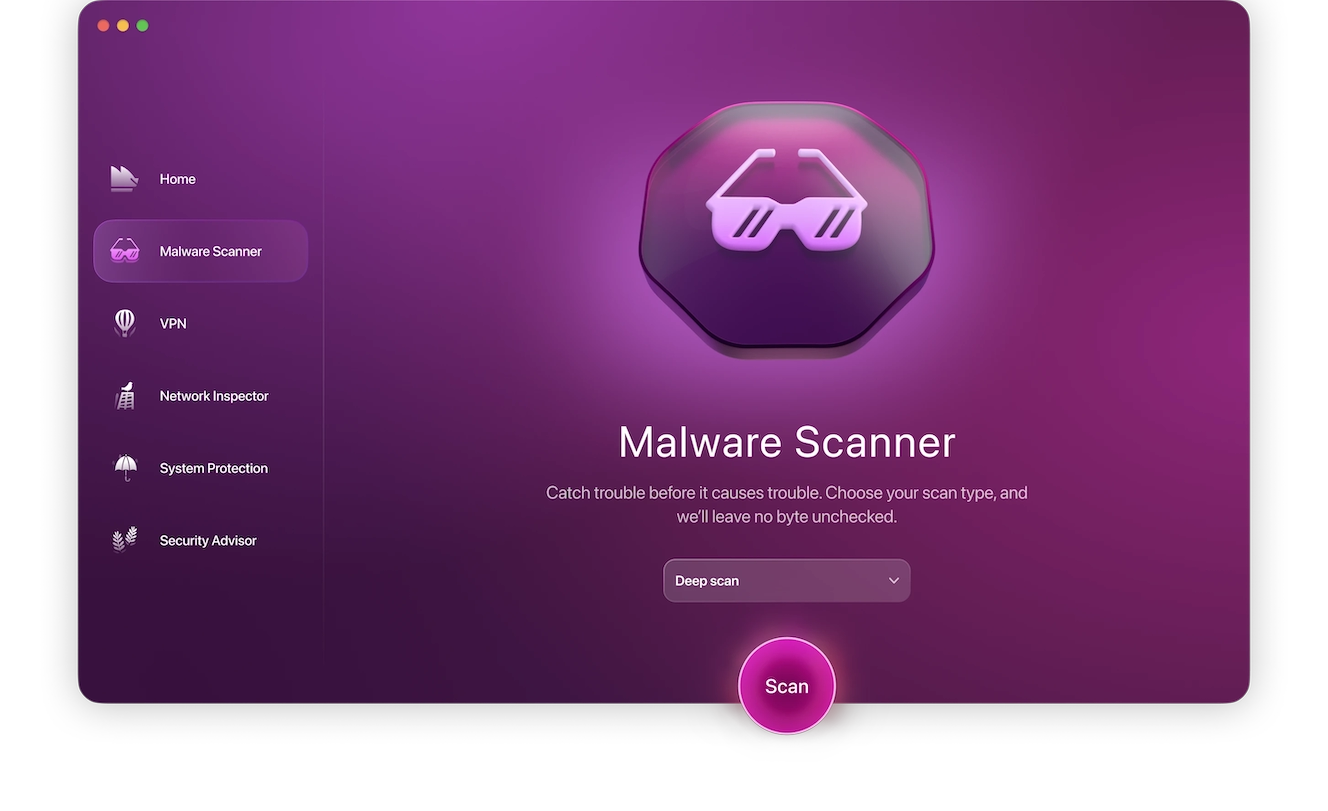
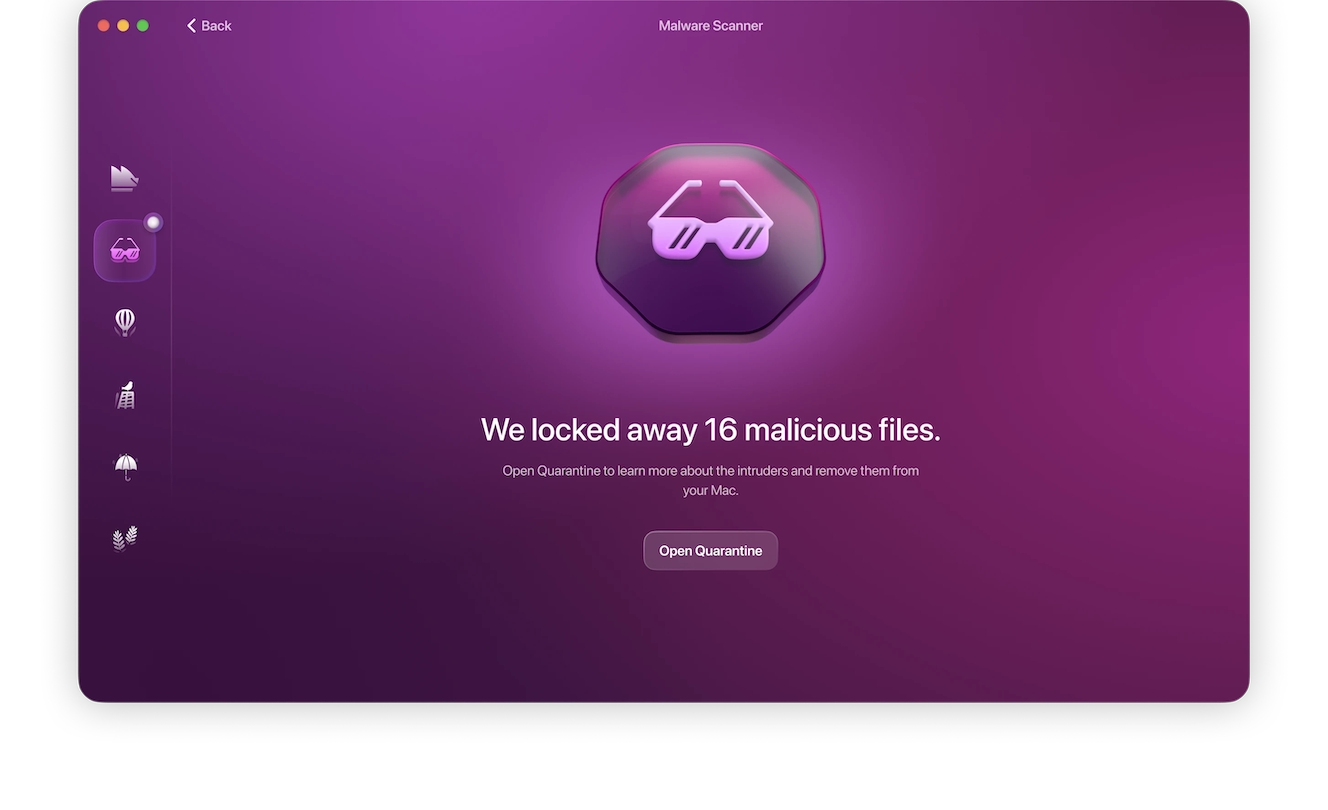
An app installed from outside of its official website or app store might request unusual access permissions, especially to your settings. If an app starts being demanding of you, scan your Mac with Malware Scanner to help you determine whether the app is actually a piece of malware.
Here’s how to do it:
- Sign up for a 7-day free trial of Moonlock antivirus.
- Open Moonlock, then navigate to the Malware Scanner from the left-hand sidebar.
- From the drop-down menu, select the Deep scan type for a thorough scan of your device.
- Click Scan.
Moonlock will methodically sift through all the files and apps on your Mac for signs of malware. If it finds anything, it will immediately isolate it in Quarantine to stop it from doing any more damage and allow you to safely remove it.
4. Fake delivery notification scams (smishing)
USPS, UPS, FedEx, and Amazon are some of the most frequently impersonated delivery services, with fake package-delivery texts being the most reported type of scam in 2024. Black Friday scams like these can get past people’s defenses by only requesting small delivery or processing fees, usually around $2. It’s rarely the money itself they’re after, but your credit card details.
Verify any package delivery notifications through the retailer’s app or website, never through links in emails or text messages.
5. Fake social media ads and giveaways
According to the FTC, nearly 30% of all people who lost money to an online scam said it originated on social media. The most common types of social media scams are fake product ads and fake giveaways:
- Fake ads: Scammers can copy a brand’s ads and social media presence to offer heavily discounted items through paid social media ads. For example, an ad selling a discontinued or designer item could lead you to a counterfeit store.
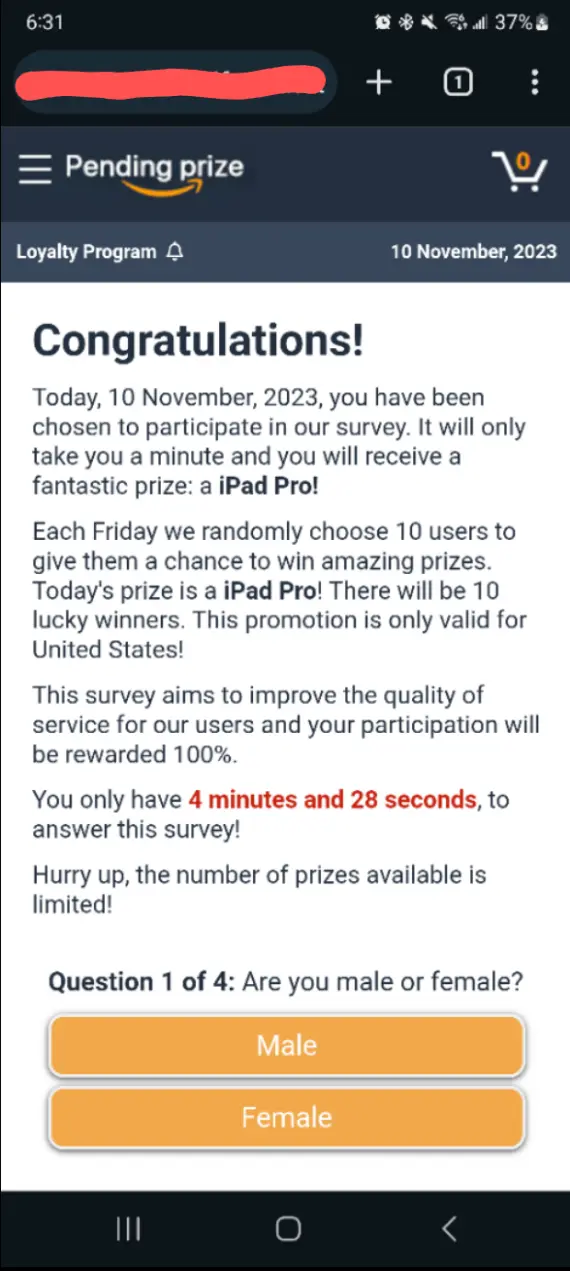
- Fake giveaways: Posts may promise large prizes in exchange for filling out a survey or downloading an app. In some cases, they might hold the prize and demand a fee to “release” it.
6. Gift card scams and non-traditional payment demands
Legitimate e-commerce sites, even those with physical locations like Walmart, typically have built-in payment processing and buyer protection policies. Meanwhile, scammers often demand payment through non-refundable and non-traceable methods, such as:
- Gift cards
- Wire transfers
- Cryptocurrency
- P2P apps like Zelle, Venmo, or Cash App
Another red flag is when “sellers” insist on having the payment marked as “personal” or “friends and family” rather than “Goods and services.” In the case of gift cards, scammers might request that you send them the gift card number or PIN, then immediately redeem the balance.
7. Counterfeit products & fake coupons
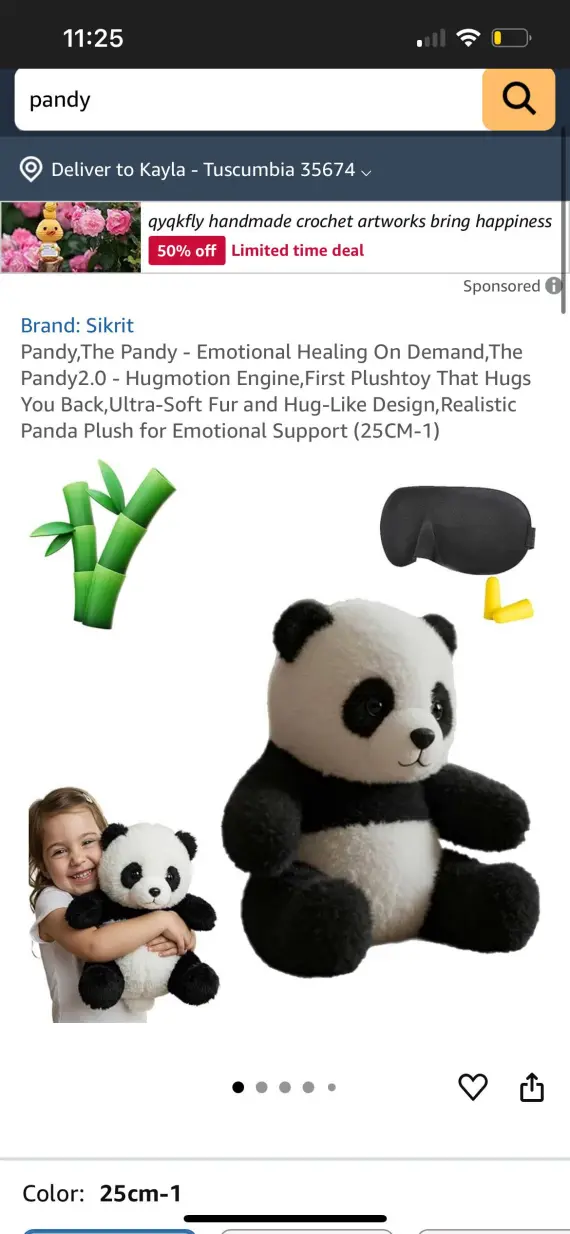

Shockingly low prices and steep discounts on usually luxury or expensive items are rarely legitimate. Whether it’s designer bags, sneakers, or electronics, too-good-to-be-true prices and discounts are usually Black Friday scams. The FTC recommends comparing deals offered by different sellers on similar products to best determine the legitimacy of some discounts and offers.
Fake coupon sites, meanwhile, might demand a survey or small payment in exchange for the codes. Retailers rarely share codes giving more than 15 to 20% off publicly. So, if you see anything promising more than that, treat it with extra caution.
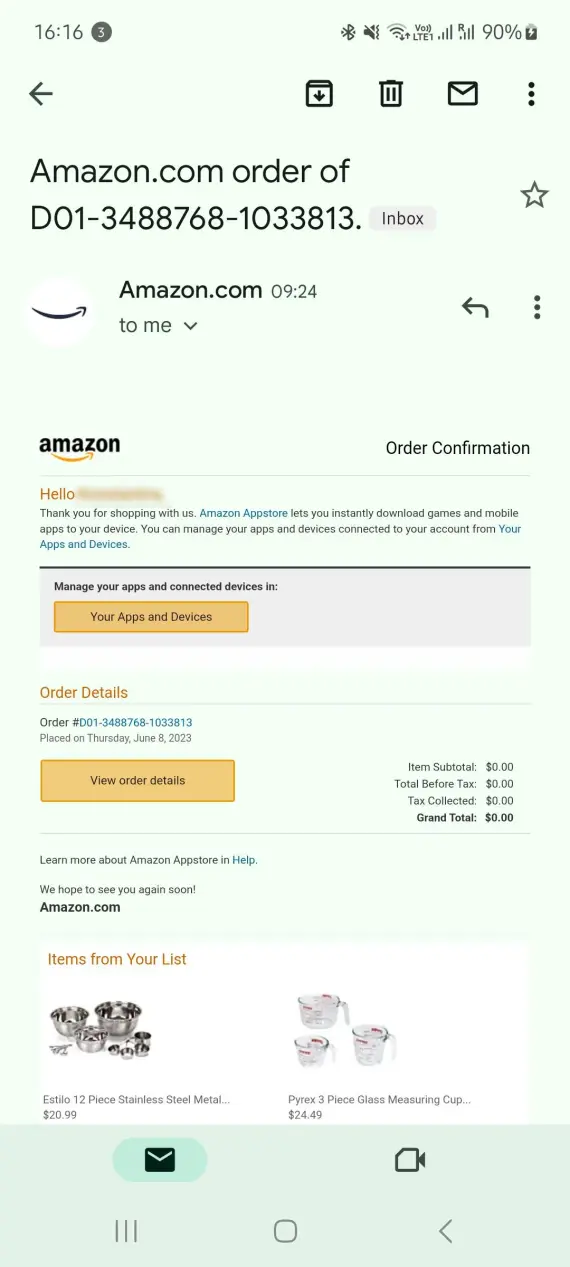
8. Fake order confirmations and billing-error scams
These text messages and emails claim that you placed an order when you didn’t or that your recent purchase didn’t go through due to a billing error. These messages are different from the usual “your account is locked” phishing attempts, targeting instead frequent shoppers on Black Friday and Cyber Monday.
In fake confirmation messages, you’re urged to click “cancel” on a purchase you didn’t buy, leading you to a phishing page. Fake billing notices, meanwhile, typically request that you call them with the number in the email to “resolve” the charge.
As a rule of thumb, never use the contact details in the message, and verify the orders and invoices directly on the retailer’s website or application.
9. Fake charities and Giving Tuesday scams
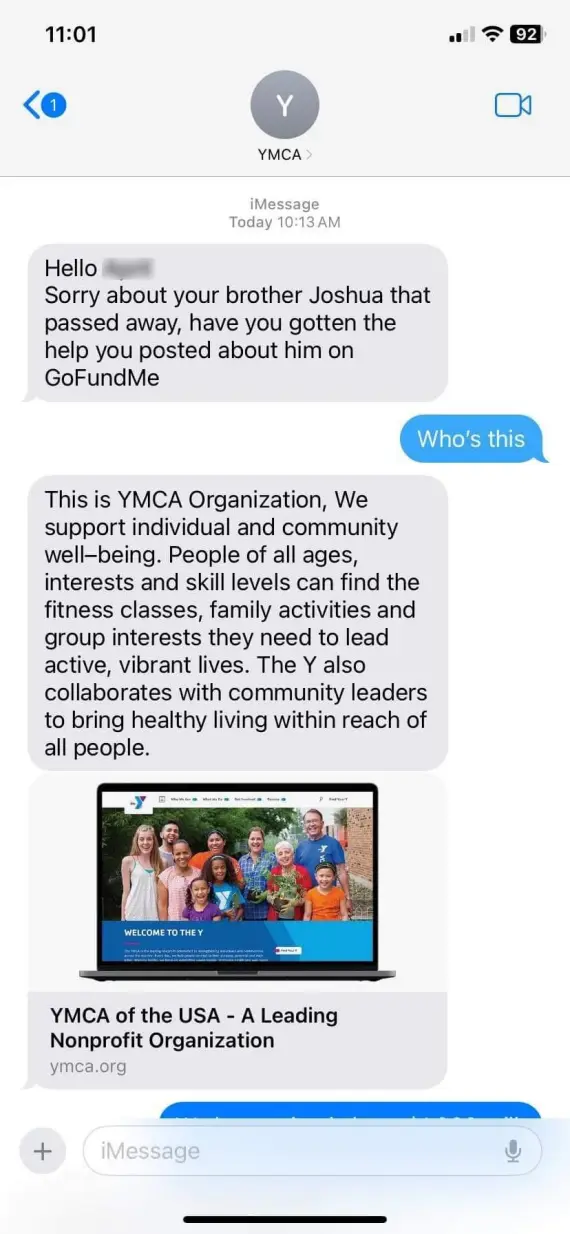
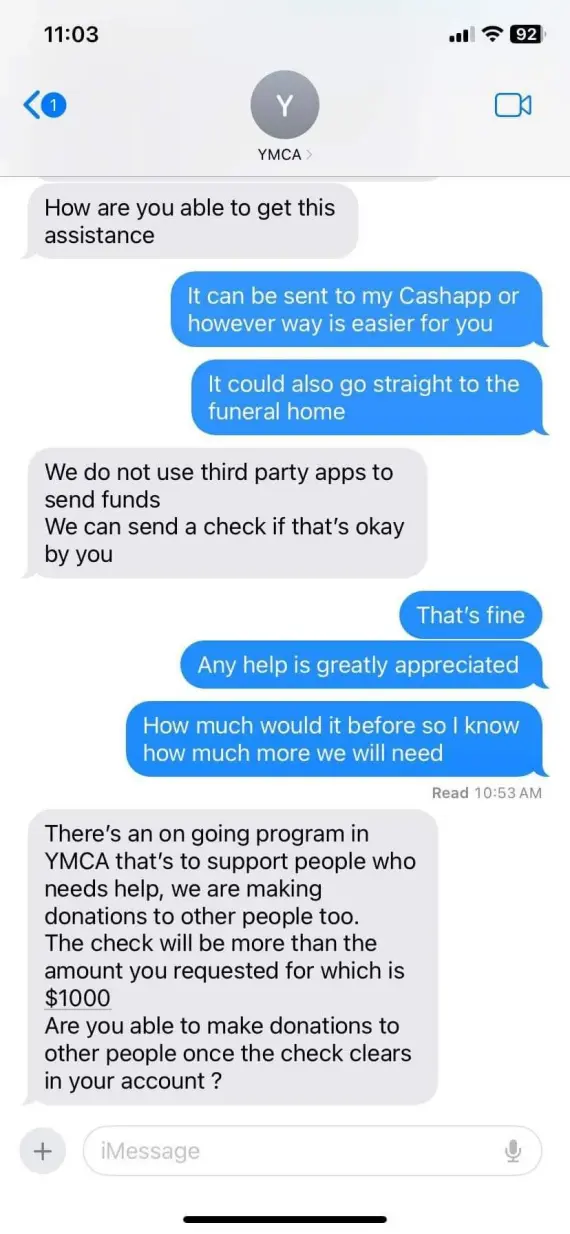
Following Black Friday and Cyber Monday, there’s the lesser-known Giving Tuesday, urging people to send money to charities and local GoFundMe campaigns. Unfortunately, scammers also exploit this unofficial holiday to trick people. They set up copycat donation sites or create entire fake charities, especially if there has been a recent natural disaster or major news event.
Before giving money to a charity, always check its proper name and verify it through Charity Navigator or the BBB Wise Giving Alliance.
10. Phishing emails & account verification scams
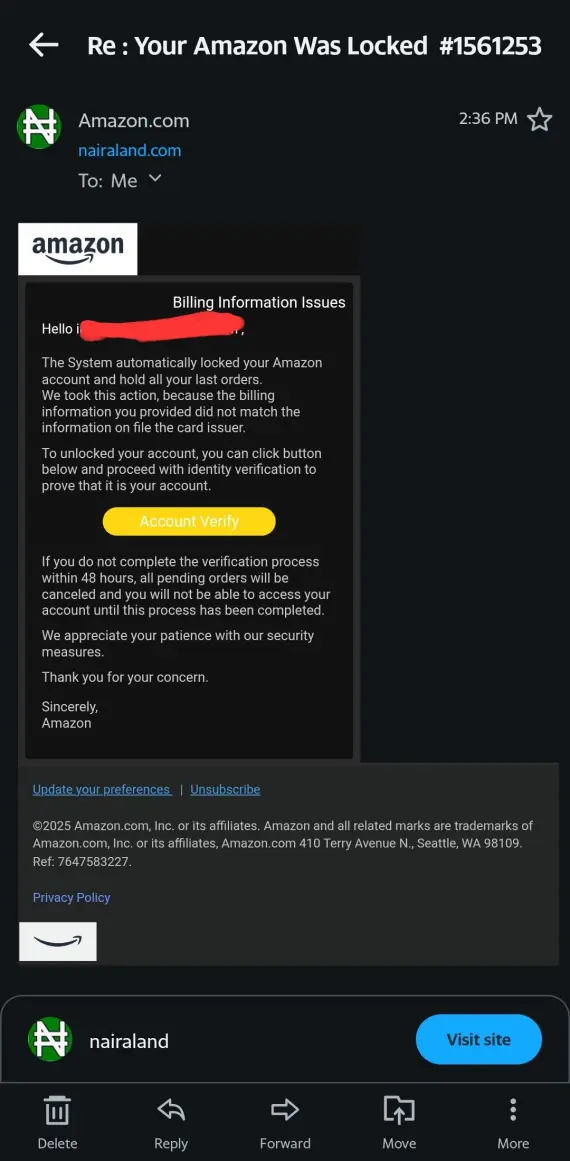
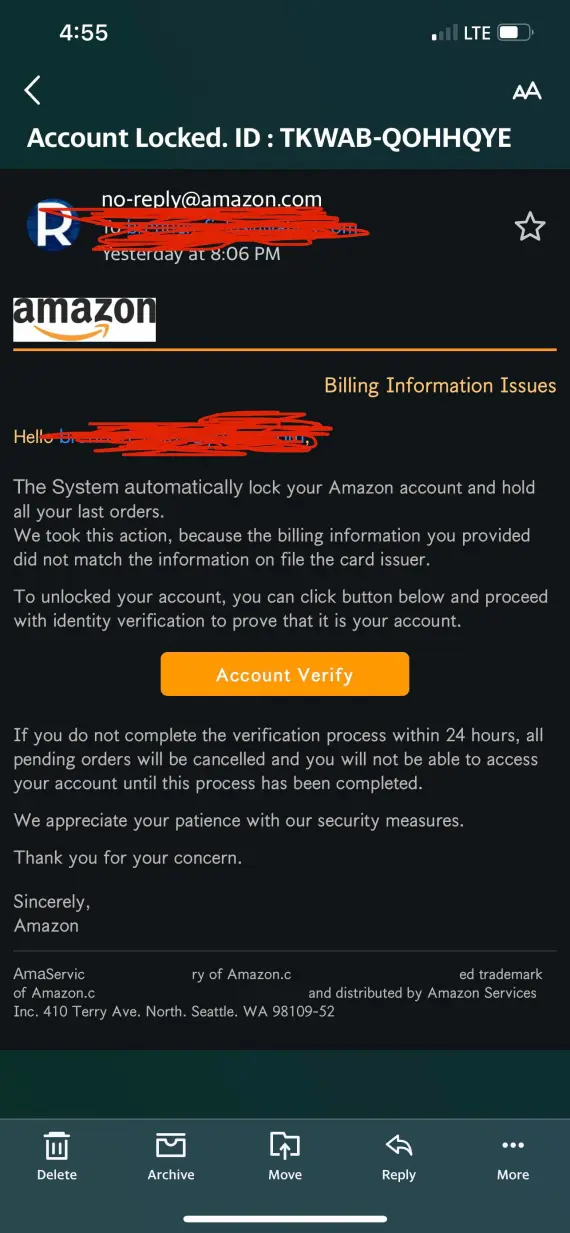
These fraudulent emails are often quite convincing, often going so far as to spoof the sender’s domain name. The message may claim that your account is locked, urging you to verify it immediately using a link in the email. Unlike fake order confirmation emails, these don’t reference a specific purchase.
When an email claims to be urgent, look out for suspicious links or requests for sensitive information. Also, it’s a huge red flag if you can’t find a similar message when checking your account directly on the website or app. Legitimate e-commerce sites will never ask you for passwords, verification codes, or payment card numbers to verify your account.
In addition to the more obvious signs, the way the message is written can sometimes expose it as a scam. You can use Moonlock Scam Detector to scan the message for the likelihood of it being associated with phishing based on the tone and manufactured urgency.
11. E-skimming (malicious code on legitimate checkout pages)
E-skimming works by injecting malicious code into an otherwise legitimate checkout page to steal payment details as they’re entered. The website itself is genuine, with the correct URL and HTTPS certificate. To minimize the threat, you’d need to rely on card alerts and monitor statements for unauthorized transactions.
Are Cyber Monday scams different from Black Friday scams?
Black Friday and Cyber Monday are very similar events. Cyber Monday is more focused on online shopping, while Black Friday is more general. Scammers, however, don’t differentiate between the two, and are content to exploit shoppers either way.
Scam activity doesn’t stop or drop after Black Friday, with criminal activity continuing through Cyber Monday and the wider holiday season.
Other Black Friday shopping risks to watch for
Black Friday scams aren’t limited to phishing or counterfeit products. There are many tricks that scammers employ to take advantage of excited shoppers:
- Non-delivery scams: You pay for an item through a website’s checkout, but nothing arrives a few weeks later.
- Buy-now-pay-later: Services like Afterpay and Affirm aren’t scams, but missed payments can trigger large fees and affect your credit score.
- Return/refund traps: Watch out for items with strict return policies that make it difficult for buyers to return or swap unsuitable or damaged items.
- Porch piracy: Thieves may steal packages left outside your home.
Got scammed on Black Friday? Here’s what to do
If you suspect you got scammed while shopping online on Black Friday, you need to act fast. The sooner you report the fraud, the better your chances are at limiting the losses. Here’s what to do:
- Contact your bank or financial services provider: Immediately dispute the transaction.
- Change compromised passwords: From a secure device, change compromised passwords and enable 2-factor authentication.
- Collect evidence: Take screenshots of messages, listings, and receipts. Keep URLs and transaction records.
- Report the scam: In the US, use the FTC’s ReportFraud.ftc.gov form, and in the UK, report it through Report Fraud.
- Continuous monitoring: Keep a close eye on future unauthorized activity in your bank or personal online accounts.
How to stay safe from Black Friday and Cyber Monday fraud
You don’t have to refrain from Black Friday shopping entirely. A few habits can prevent most scams so you can enjoy the discounts and bargains:
- Research sellers and stick to trustworthy websites and apps.
- Verify deals across various retailers.
- Paying with a credit card offers more protection.
- Avoid P2P and unusual payment methods.
- Don’t click unsolicited links in emails or text messages.
- Save receipts, confirmations, and communications.
Black Friday, Cyber Monday, and holiday season discounts aren’t scams, but scammers commonly take advantage of them. Knowing how criminals can use deals to scam you can help you avoid becoming a victim.